12 Storeys
1997
No user ratings available yet
Representation score: 8.5 out of 10
Representation Score
Excellent
2007
Director
Royston Tan
Runtime
115 minutes
Average Rating
No ratings yetNew Showbiz Analysis
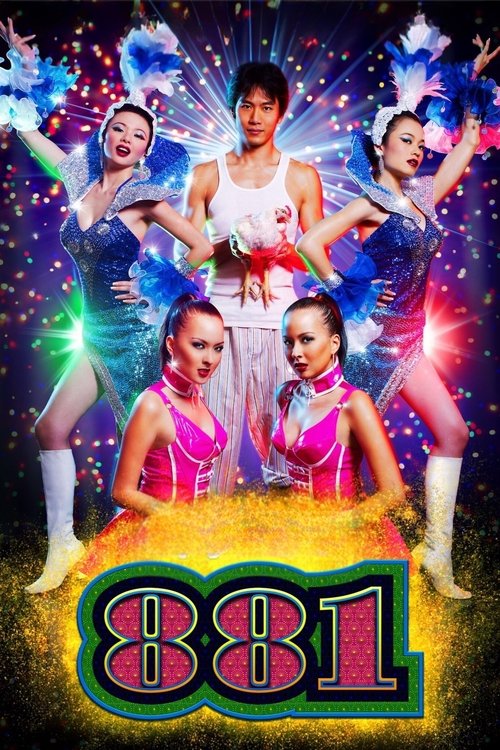
Royston Tan’s 881 is a vibrant celebration of Singaporean identity that elevates localized traditions like getai to high drama. It succeeds by centering working-class ethnic communities and resisting the homogenizing forces of globalized modernity. The film excels in its specific portrayal of Hokkien heritage and the hybridity of Eurasian influences. It moves beyond Western-centric narrative norms to find dignity in communal struggle. However, the representation of disability leans toward using illness as a catalyst for tragedy. While the characters are nuanced, the narrative structure occasionally relies on terminal illness to drive emotional weight.
Category Breakdown
The film explores intense emotional intimacy that challenges the assumption that everyone is straight or cisgender. While not explicitly labeled as queer, the heightened vulnerability of character connections invites such a reading.
Women play a significant role in driving the story as the Papaya Sisters navigate their professional trajectories and personal hardships. The story explores complex sisterhood and mentorship.
The film celebrates Hokkien cultural heritage and the getai tradition. The inclusion of the Eurasian Durian Sisters reflects the multi-ethnic tapestry of Singaporean identity.
By focusing on seventh lunar month rituals, the film critiques the erasure of local customs. It prioritizes communal, traditional values over Western-style capitalist modernization.
Terminal illness is a central emotional arc through Little Papaya. While used to drive pathos, the character maintains a significant role in driving the story and emotional depth.
Present on Screen
Limited or Absent
Official Synopsis
Two Singaporean girls join together to form the Papaya Sisters, a getai group that sings at performances during the seventh lunar month. Big Papaya is estranged from her mother, who disapproves of her performances, whilst Little Papaya is an orphan who suffers from terminal cancer. The two are assisted by Auntie Ling and her son, Guan Yin. The two soon rise to the top of the Singaporean getai scene singing traditional Hokkien songs, but their fame brings along with it the enmity of the Durian Sisters, a rival group of techno-singing Eurasian girls.
1997
1989

2018
2017

2008

2015
2007

2002
No reviews yet. Be the first to share your thoughts on this movie!
Use the rating form above to leave a star rating and optional review.