
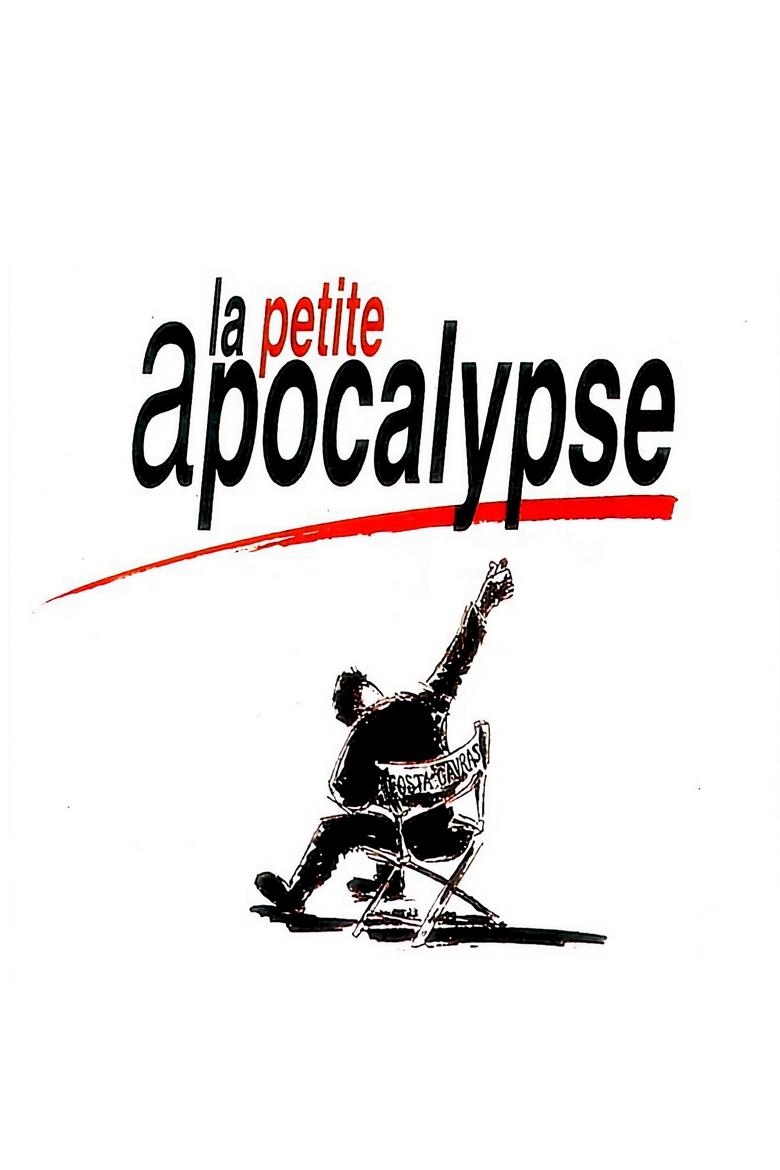
How to Top My Wife
1994
No user ratings available yet
Diversity score: 4.8 out of 10
1993
Director
Costa-Gavras
Runtime
110 minutes
Average Rating
No ratings yetSynopsis
An unknown Polish writer can't publish his novels, so his ex-wife decides to help him and get some of the profit for herself. She finally finds a publisher, but there's a strange single condition that could cost the writer his life.
Overall Score
Fair
Category Breakdown
LGBTQ+ Representation
The film lacks explicit evidence of LGBTQ+ characters or non-cisnormative identities. The narrative focuses on the domestic and professional friction between a writer and his ex-wife.
Gender Representation
The ex-wife serves as the primary driver of the plot, exercising significant agency and economic intent. This disrupts traditional gender roles by shifting power away from a male-led success narrative.
Racial & Ethnic Diversity
The story centers on a Polish writer, providing a non-Anglo-Saxon cultural context. However, there is no specific information regarding a multi-ethnic cast or intersectional diversity.
Religious & Cultural Diversity
The film critiques capitalist structures and the commodification of art through its focus on publishing struggles. The narrative suggests a subversion of traditional Western institutional stability.
Disability Representation
There is no mention of characters with visible or invisible disabilities within the provided narrative details.
Strengths
Areas for Improvement
AI Analysis
The film offers a nuanced look at power dynamics by centering a female character's agency in a professional struggle. While it avoids traditional Hollywood tropes, it lacks specific representation in several key areas. Costa-Gavras's history of critiquing systemic corruption suggests the film uses satire to challenge social hierarchies. This provides a layer of intellectual diversity even where demographic representation is thin. Ultimately, the work succeeds in cultural specificity and gendered subversion but remains limited by a lack of visible LGBTQ+ or disability-related content.
1994

2018

2003
2023

1966

2006

1974

2015
1999

2007
2012

1971
No reviews yet. Be the first to share your thoughts on this movie!
Use the rating form above to leave a star rating and optional review.