Hollywood My Home Town
1965
No user ratings available yet
Representation score: 1.9 out of 10
Representation Score
Minimal
1996
Director
Jim Brennan
Runtime
55 minutes
Average Rating
No ratings yetNew Showbiz Analysis
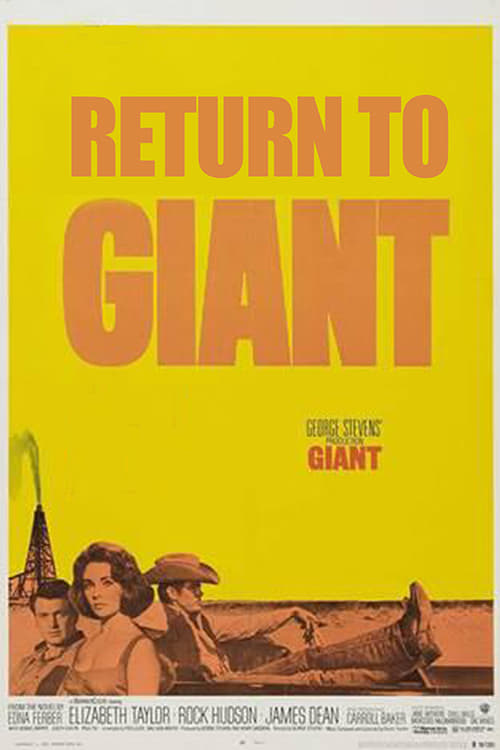
Return to 'Giant' serves as a historical retrospective focused on the 1955 production of the film Giant in Marfa, Texas. Its primary objective is the preservation of cinematic history and archival reality rather than the deconstruction of social hierarchies. The documentary's structure is dictated by the mid-century Hollywood era it examines. Because it centers on the technical and industrial legacy of a 1950s film set, the narrative naturally reflects the era's traditionalist views and demographic imbalances. Ultimately, the film acts as a celebration of regional cinematic heritage. It prioritizes the technical history of the production over the intentional subversion of systemic power dynamics or progressive social values.
Category Breakdown
The documentary focuses on the technical and star-driven aspects of a 1950s film production. There is no exploration of LGBTQ+ identities or critiques of the assumption that everyone is straight or cisgender.
While the film likely features prominent actresses like Elizabeth Taylor, the focus remains on the male-dominated technical crews. The narrative emphasizes the industrial history of an era defined by traditional gender roles.
The subject matter revolves around a mid-century Hollywood production in West Texas. The historical context suggests a focus on a predominantly white, Anglo-Saxon cast and crew.
The film functions as a historical retrospective of Western American film history. It celebrates the legacy of a regional cinematic heritage rather than prioritizing narratives critical of Western traditions.
There is no indication that the documentary addresses neurodivergence, physical disabilities, or mental health conditions through a lens that gives real depth to those experiences.
Present on Screen
Limited or Absent
Official Synopsis
In the summer of 1955, an army of cameramen, lighting techs and movie stars descended on the small, west Texas town of Marfa to film what has become, "the national movie of Texas."
1965

2020
2002
1971
1979
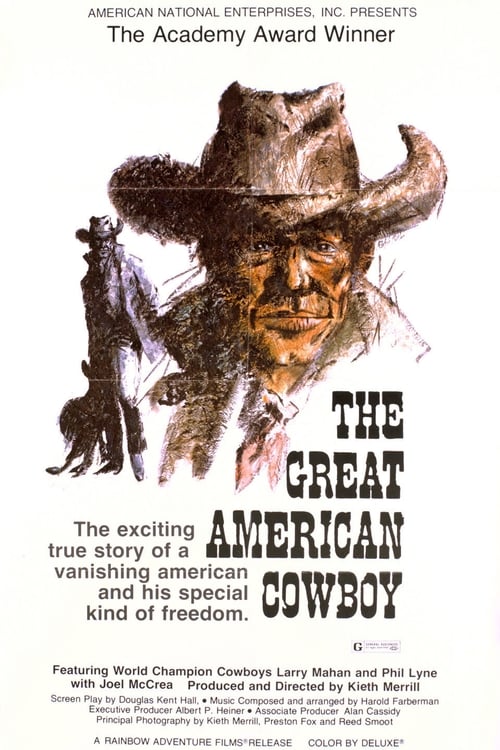
1973

1948

2004
No reviews yet. Be the first to share your thoughts on this movie!
Use the rating form above to leave a star rating and optional review.