Cold Water
1994
No user ratings available yet
Representation score: 7.2 out of 10
Representation Score
Good
2019
Director
Éva Ionesco
Runtime
113 minutes
Average Rating
No ratings yetNew Showbiz Analysis
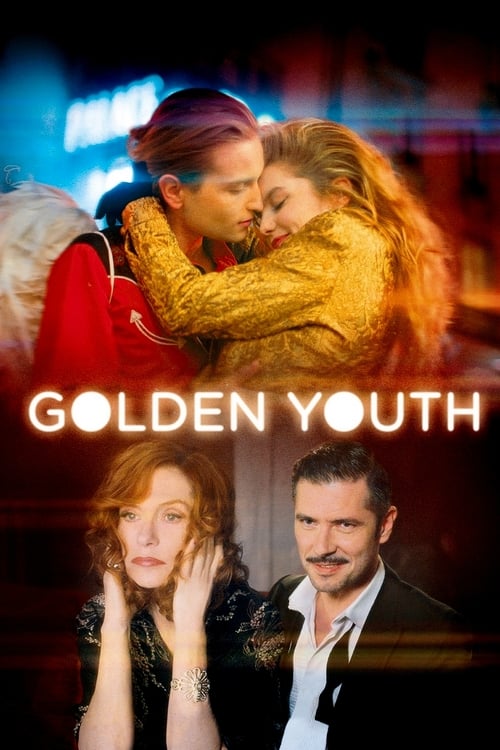
Golden Youth is a character study of late-century decadence that excels at deconstructing social hierarchies. It succeeds in challenging gendered clichés and traditional cultural norms by focusing on rebellious, outsider perspectives. However, the film's impact is limited by a lack of explicit representation. The absence of defined LGBTQ+ identities and a homogeneous European cast prevent a higher score in those critical areas. Ultimately, the film is a postmodern exploration of moral relativism. It prioritizes psychological fluidity and class dynamics over a diverse or multi-layered spectrum of identities.
Category Breakdown
The film examines ambiguous relationships and non-traditional social structures within the Le Palace nightclub scene. Though it doesn't explicitly define queer identities, it challenges traditional stability through fluid interpersonal connections.
The narrative avoids submissive female clichés by centering on a rebellious, orphaned protagonist with her own significant role in driving the story. It disrupts traditional patriarchal hierarchies by portraying older figures through a lens of psychological instability.
The cast predominantly features a homogeneous European demographic within the Parisian bohemian setting. The story prioritizes class-based distinctions over racial diversity, resulting in a lack of visible ethnic variety.
The film critiques traditional Western institutional stability by centering on decadent nightclub culture. It favors a secular, individualistic framework that challenges the sanctity of traditional family and social structures.
Psychological instability and the blurring of reality are explored through a lens of surrealism and obsession. These elements serve thematic utility rather than providing real ability to act to characters with identifiable disabilities.
Present on Screen
Limited or Absent
Official Synopsis
Paris, France, 1979. Rose, a rebellious orphaned teenager, and Michel, a young aspiring painter, enjoy their crazy love under the neon lights of the decadent nightclub Le Palace, where they establish an ambiguous relationship with Lucille and Hubert, two bohemian bourgeois who will change their lives.
1994

1980

2012
1984

1986
2006

2004

2022
No reviews yet. Be the first to share your thoughts on this movie!
Use the rating form above to leave a star rating and optional review.