Alta Infedeltà
2010
No user ratings available yet
Representation score: 2.5 out of 10
Representation Score
Fair
2008
Director
Pino Insegno, Gianluca Sodaro
Runtime
95 minutes
Average Rating
No ratings yetNew Showbiz Analysis
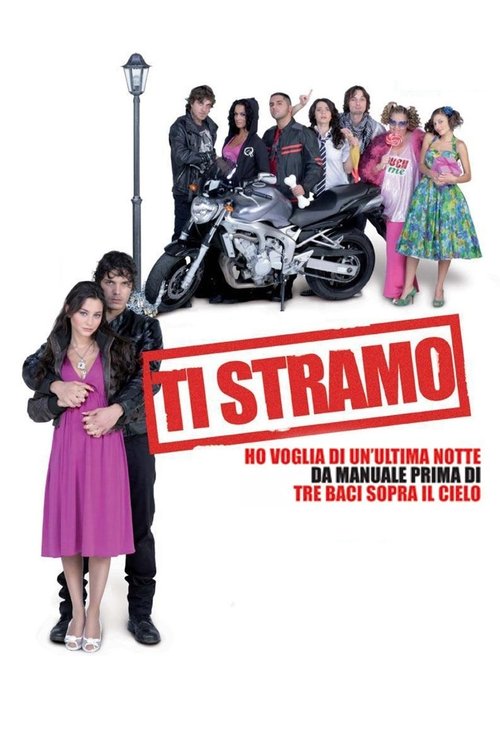
Ti stramo functions as a meta-narrative parody of the Italian teen romance genre prevalent in the late 2000s. It deconstructs the clichés of films like Tre metri sopra il cielo to critique the era's cinematic conventions. While the film's satirical nature suggests a disruption of traditional romantic clichés, it lacks documented diverse casting. The narrative structure mirrors the homogeneous social circles typical of its specific cultural movement. Ultimately, the film occupies a space of moderate inclusion. It relies more on genre critique than on explicit, identity-driven narratives or diverse representation.
Category Breakdown
The film parodies the highly stylized, traditional teen romance genre. There is no indication of characters with non-traditional gender identities, suggesting a focus on conventional romantic relationships.
As a spoof, the film likely pokes fun at idealized male and female archetypes. It may disrupt traditional gender roles through satire, though it's unclear if the characters have significant control over their storylines.
The narrative reflects the demographic norms of the Italian teen romance movement. There is no evidence of significant ethnic blending or casting actors from diverse backgrounds.
The film uses situational irony to critique sentimentalized Western values of romance. It mocks the 'manual' of romantic perfection through a satirical lens.
The synopsis contains no mention of characters with visible or invisible disabilities.
Present on Screen
Limited or Absent
Official Synopsis
Friedberg/Seltzer-like spoof about popular Italian teen romance movies of the aughts (such as Tre metri sopra il cielo, Come tu mi vuoi, Ho voglia di te, Notte prima degli esami, Melissa P., etc).
2010
2005
2003

2014

2000
1985
1988

2005
No reviews yet. Be the first to share your thoughts on this movie!
Use the rating form above to leave a star rating and optional review.