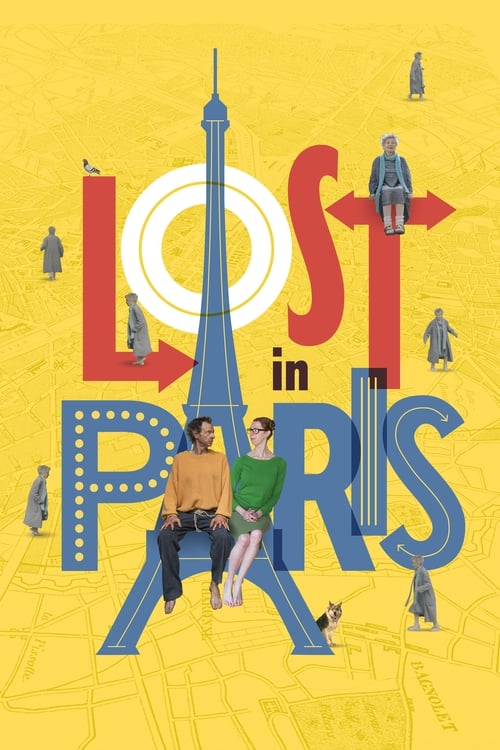
Lost in Paris
2017
No user ratings available yet
Representation score: 7.6 out of 10
Representation Score
Good
2005
Director
Dominique Abel, Fiona Gordon, Bruno Romy
Runtime
84 minutes
Average Rating
No ratings yetNew Showbiz Analysis
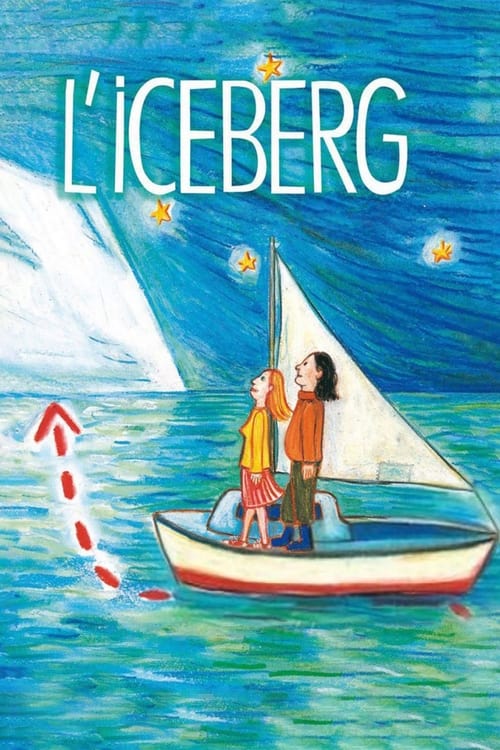
Iceberg is a character-driven comedy that excels at deconstructing social norms rather than through broad demographic representation. The film stands out by challenging gendered expectations, using a protagonist's trauma to dismantle the idealized image of the suburban caregiver. However, the film lacks meaningful engagement with racial or LGBTQ+ diversity, remaining rooted in a conventional Western framework. While it offers a sharp critique of familial structures, it does so within a relatively homogeneous social setting. Ultimately, the work is a study of individual psychological shifts. It prioritizes the subversion of domestic hierarchies over the inclusion of diverse identities.
Category Breakdown
The film does not explicitly depict LGBTQ+ identities or relationships outside of traditional heterosexual ones. The story focuses on a nuclear family, but the protagonist's departure challenges traditional domesticity.
The narrative challenges the 'happy housewife' stereotype by showing a woman rejecting her role as a caregiver. She finds her strength in abandoning traditional maternal and marital roles.
The setting suggests a typical Western social environment with a predominantly white cast. There is no indication of multicultural integration or diverse casting.
The film criticizes the sanctity of the nuclear family and capitalist suburban life. It portrays traditional Western institutions as inherently neglectful and dysfunctional.
The protagonist experiences near-fatal hypothermia, but the focus remains on her psychological obsession rather than her physical condition. Her trauma-induced fixation may indicate a neurodivergent response.
Present on Screen
Limited or Absent
Official Synopsis
Fiona is the manager of a fast-food restaurant. She lives comfortably with her family in the suburbs. In other words, Fiona is happy... until one day she accidentally gets locked into a walk-in fridge. She escapes the next morning, half frozen and barely alive, only to realize that her husband and two children didn't even notice she was missing. But when Fiona develops an obsession for everything cold and icy: snow, polar bears, fridges, icebergs--she drops everything, climbs into a frozen goods delivery truck and leaves home. For a real iceberg.
2017

1996
2014

2019
1995
2009

2001

2006
No reviews yet. Be the first to share your thoughts on this movie!
Use the rating form above to leave a star rating and optional review.