Michael, the Dog That Sang
1979
No user ratings available yet
Representation score: 3.2 out of 10
Representation Score
Minimal
2015
Director
Robert-Adrian Pejo
Runtime
92 minutes
Average Rating
No ratings yetNew Showbiz Analysis
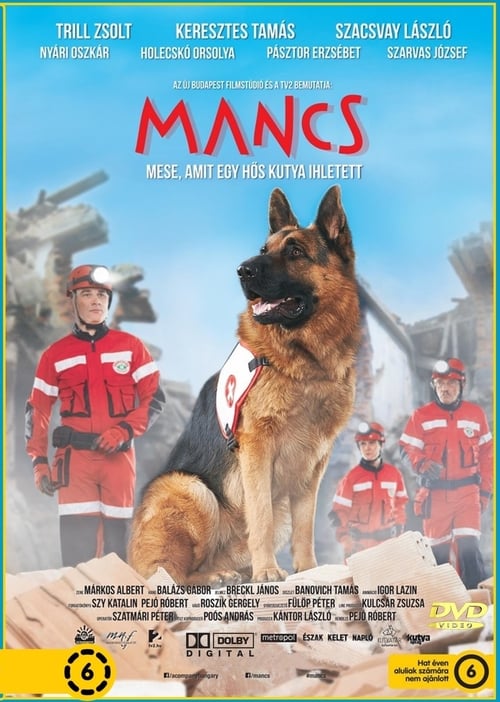
Mancs is a localized, character-driven drama that adheres to the social realities of 1990s Hungary. The narrative prioritizes individual psychological stakes and traditional interpersonal conflicts over disrupting systemic power dynamics. While the film provides a nuanced look at the pressures of working-class life, it operates within conventional social frameworks without challenging established hierarchies.
Category Breakdown
The film centers on a traditional marriage and does not include any non-straight identities or critiques of the assumption that everyone is straight. It focuses on a heterosexual relationship without challenging common expectations.
The story follows a male protagonist who navigates both his professional and domestic life within traditional gender roles. It does not explicitly challenge traditional gender hierarchies or masculine leadership.
Set in a localized Hungarian community, the film does not include characters from different racial backgrounds. The narrative focuses on a specific, likely homogeneous regional context.
The plot explores personal morality and the consequences of deception within social structures. It depicts individual conflicts rather than a systemic critique of institutions.
There are no visible or invisible disabilities portrayed as central to the character arcs or the plot progression.
Present on Screen
Limited or Absent
Official Synopsis
In a 1990s Hungarian town, tram mechanic Zoltán secretly inherits a hyperactive German shepherd puppy, “Mancs,” which he trains into a rescue dog in his spare time. As Mancs grows into Zoltán’s pride and joy at their new mountain home, Zoltán’s lies about the dog strain his marriage and land him in trouble at work.
1979
2022
1970
2011
1978

1987
2021

2005
No reviews yet. Be the first to share your thoughts on this movie!
Use the rating form above to leave a star rating and optional review.