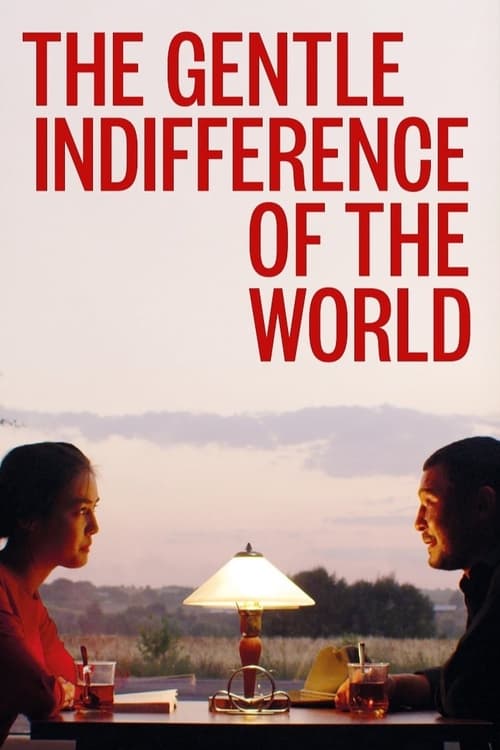
The Gentle Indifference of the World
2018
No user ratings available yet
Representation score: 7.5 out of 10

Representation Score
Fair
2011
Director
Cédric Kahn
Runtime
110 minutes
Average Rating
No ratings yetNew Showbiz Analysis
Cédric Kahn’s drama effectively critiques systemic socioeconomic structures by centering the Maghreb immigrant experience. It highlights how institutional barriers fracture families and force individuals to reject social norms to maintain dignity. However, the film’s impact is limited by its focus on traditional family structures and male-driven ability to act. The absence of LGBTQ+ representation and the narrow perspective on gendered power dynamics prevent a more comprehensive exploration of diverse identities.
Category Breakdown
The film does not include any LGBTQ+ characters or narratives. The emotional core revolves around traditional family structures.
The story emphasizes the male experience of being a provider. While it avoids submissive female roles, it offers limited complexity in gendered power dynamics.
The film centers North African protagonists, giving them a significant role in driving the story and critiquing systemic exclusion through their undocumented status.
The film criticizes Western economic institutions as oppressive forces. It portrays survival-driven theft as a necessary act against an uncaring system.
There is no significant or central depiction of physical or neurodivergent disabilities within the main storyline.
Present on Screen
Limited or Absent
Official Synopsis
Yann, a cook, and Nadia, a waitress and mother of 9-year-old child, decide to risk everything on the purchase of a restaurant. With plenty of talent, energy, love and dreams, but no finance of their own, they find themselves forced into a jungle of financing and bank loans that quickly overwhelms them. To bail them out, Nadia has to take a job in Canada, while Yann is forced to stay behind to save the restaurant. Together, he and the child confront a relentless avalanche of creditors, an uncaring system and the daily grind from which there is no respite… Yann finally understands that his only chance of salvation lies in joining his lover – as well as reuniting mother and child – by following Nadia to Canada and a better life.
2018

1996
2007

2019
2007

2013

2014

1993
No reviews yet. Be the first to share your thoughts on this movie!
Use the rating form above to leave a star rating and optional review.