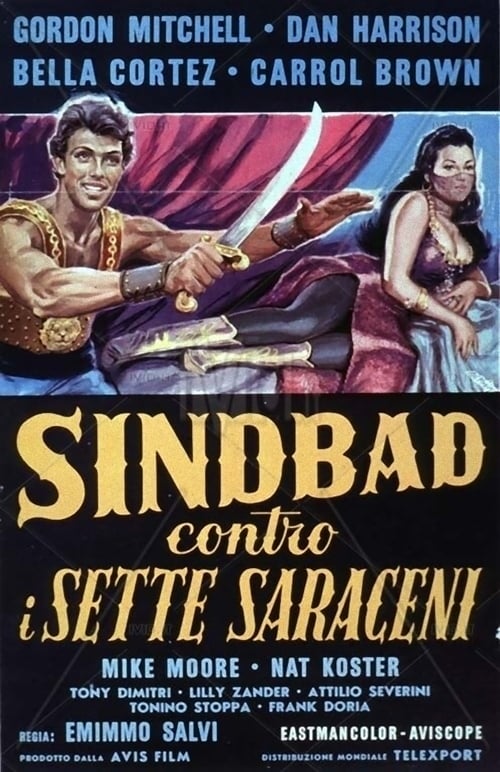
Ali Baba and the Seven Saracens
1964
No user ratings available yet
Diversity score: 3.1 out of 10
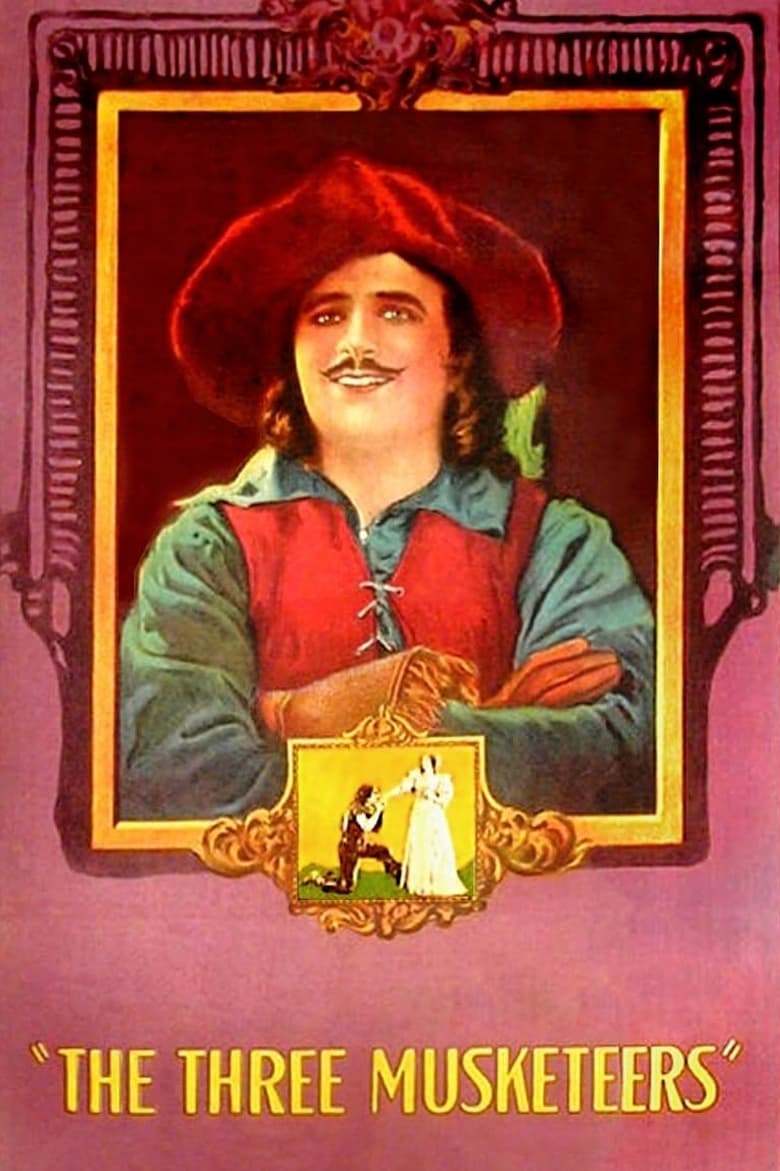
1921
NRDirector
Fred Niblo
Runtime
144 minutes
Average Rating
No ratings yetSynopsis
In 17th century France, young D'Artagnan wants to join the King's Musketeers, but instead befriends three legendary musketeers—Athos, Porthos, and Aramis—and together, they become embroiled in the political intrigue surrounding King Louis XIII and his adversaries, particularly the powerful Cardinal Richelieu.
Overall Score
Minimal
Category Breakdown
LGBTQ+ Representation
The film focuses entirely on heteronormative romance and male camaraderie. There are no depictions of non-cisnormative identities or same-sex intimacy.
Gender Representation
Narrative agency is concentrated in male protagonists through swordplay and military honor. Female characters like Queen Anne serve primarily as catalysts for male action.
Racial & Ethnic Diversity
The cast is homogeneous, consisting of white European actors. The film lacks non-Anglo-Saxon characters in meaningful roles, reinforcing a Eurocentric vision of nobility.
Religious & Cultural Diversity
The story celebrates Western institutions like the monarchy and aristocratic chivalry. It frames loyalty to the Crown as a moral imperative rather than critiquing power.
Disability Representation
Characters are portrayed through a lens of idealized physical prowess. There is no representation of physical, sensory, or neurodivergent disabilities.
Strengths
Areas for Improvement
AI Analysis
Fred Niblo’s 1921 epic is a quintessential product of early Hollywood, designed to uphold traditional social hierarchies. The film prioritizes masculine agency and monarchical stability, offering a narrative that reinforces the established norms of its era. Representation is heavily skewed toward a singular, Eurocentric perspective. The cast is entirely white, and the plot centers on Western concepts of chivalry and institutional loyalty, leaving little room for diverse cultural or identity-based perspectives. Gender roles are strictly defined, with men driving the action while women function as objects of political or romantic maneuvering. The film lacks any engagement with disability or LGBTQ+ identities, adhering to a traditional, idealized framework.
No reviews yet. Be the first to share your thoughts on this movie!
Use the rating form above to leave a star rating and optional review.