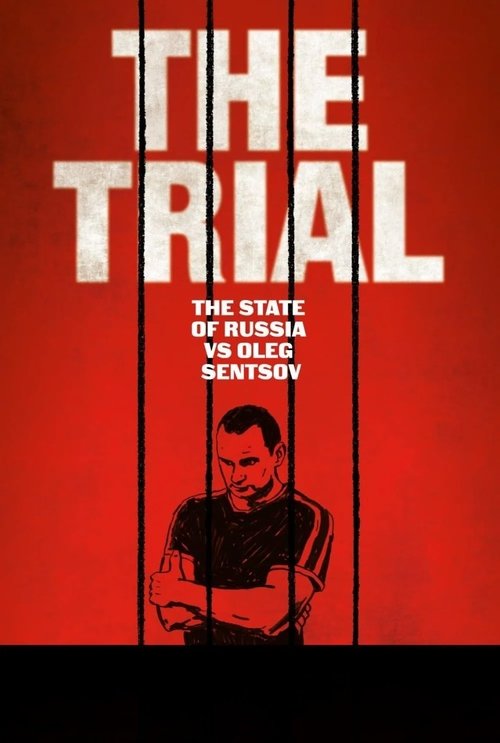
The Trial: The State of Russia vs Oleg Sentsov
2017
No user ratings available yet
Diversity score: 5.4 out of 10

2018
GDirector
Nikolaus Geyrhalter
Runtime
112 minutes
Average Rating
No ratings yetSynopsis
Brenner Pass, Alpine border, spring 2016: the Austrian government announces the construction of a border fence, expecting a shift of the refugee routes to Italy after the Balkan route is closed. The residents fear the fence just as much as the supposedly threatening influx of foreigners to their homeland. Two years later, the fence is still rolled up in a container, as the inrush of refugees never occurred.
Overall Score
Limited
Category Breakdown
LGBTQ+ Representation
The film contains no depictions of LGBTQ+ characters or identities. Its focus on landscape and infrastructure means it does not engage with sexual orientation.
Gender Representation
Gendered power dynamics are absent because the documentary lacks a cast of characters. It prioritizes inanimate objects and surveillance technology over social roles.
Racial & Ethnic Diversity
The film lacks a diverse cast but explores the machinery used to regulate ethnic movement. It examines the systemic structures impacting racial demographics through a post-colonial lens.
Religious & Cultural Diversity
The narrative critiques Western institutions and the state's role in enforcing sovereignty. It uses the architecture of exclusion to challenge the perceived stability of Western borders.
Disability Representation
There are no depictions of individuals with physical or neurodivergent disabilities. The subject matter remains strictly limited to the technological apparatus and the landscape.
Strengths
Areas for Improvement
AI Analysis
The Border Fence is a structuralist documentary that prioritizes landscape and technology over human characters. Because it eschews traditional character-driven melodrama, it lacks the social representation found in narrative cinema. While the film scores low on traditional metrics like gender and LGBTQ+ visibility, it offers significant thematic depth. It uses the physical manifestations of border control to critique the systemic mechanisms of the state. Ultimately, the film's diversity is found in its intellectual engagement with geopolitical exclusion rather than in the presence of a diverse cast.
2017
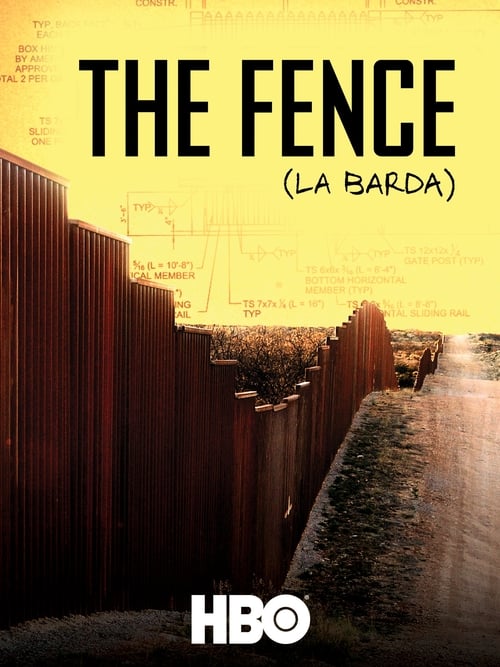
2010
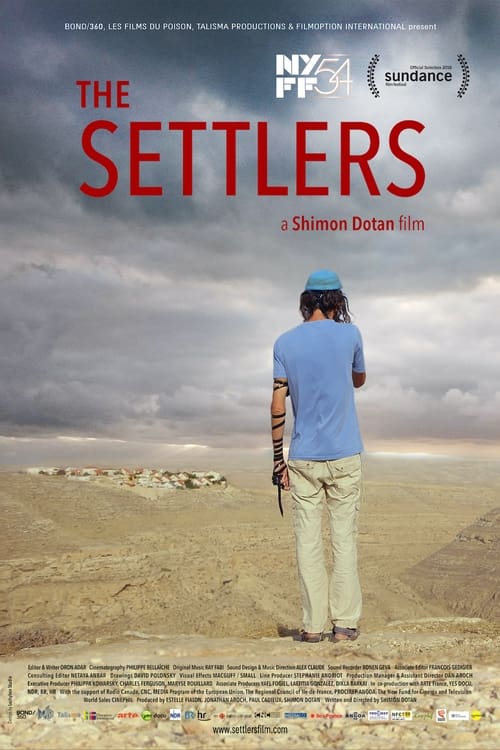
2016

2022

2017

2017
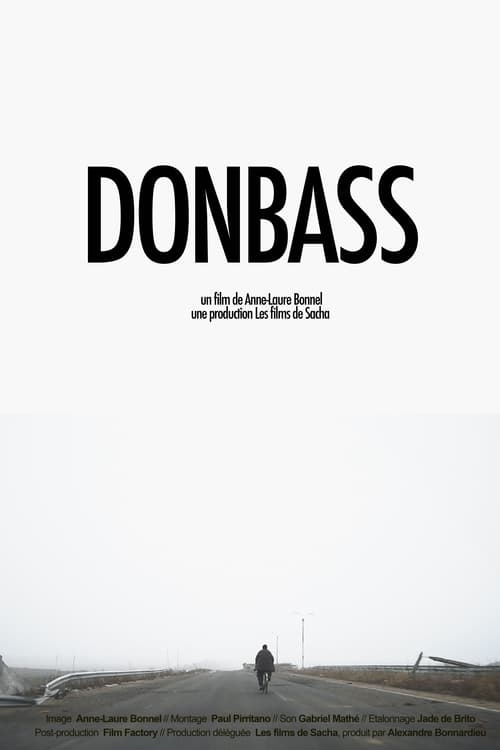
2016
2015
2017

2014
2019
2014
No reviews yet. Be the first to share your thoughts on this movie!
Use the rating form above to leave a star rating and optional review.