
Some Kind of Wonderful
1987
No user ratings available yet
Representation score: 3.9 out of 10
Representation Score
Fair
1986
PG-13Director
Howard Deutch
Runtime
97 minutes
Average Rating
No ratings yetNew Showbiz Analysis
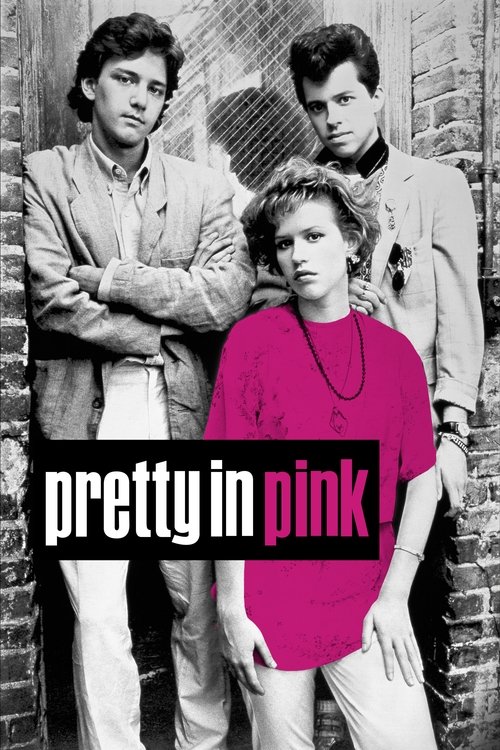
Pretty in Pink is a character study focused on socioeconomic classism rather than diverse identities. It centers a working-class female perspective that resists assimilation into dominant social hierarchies. However, the film is limited by the era's demographic constraints. It lacks significant racial and LGBTQ+ diversity, focusing instead on the tension between individual identity and established social structures. The narrative's strength lies in its critique of how wealth dictates social acceptance. While it lacks broad representation, it offers a meaningful look at class-based social pressures.
Category Breakdown
The film follows mid-1980s standards that assume everyone is straight. Duckie stands out with eccentricity and non-conformity, but there is no explicit LGBTQ+ representation or same-sex intimacy.
Andie Walsh uses fashion to define herself rather than climb the social ladder, providing meaningful influence. The film passes the Bechdel test through conversations between Andie and Molly.
The social setting is mostly uniform, reflecting suburban demographics. The story focuses on economic differences rather than racial or ethnic diversity.
The story criticizes class-based capitalism by highlighting the divide between the wealthy and less fortunate. It uses the 'preppy' class to challenge consumerist social structures.
The film does not focus on visible or invisible disabilities. Disability is not used as a central narrative device or tool for character development.
Present on Screen
Limited or Absent
Official Synopsis
Andie is an outcast, hanging out either with her older boss, who owns the record store where she works, or her quirky high school classmate Duckie, who has a crush on her. When one of the rich and popular kids at school, Blane, asks Andie out, it seems too good to be true. As Andie starts falling for Blane, she begins to realize that dating someone from a different social sphere is not easy.
1987
1983

1987
1986
1989

1980
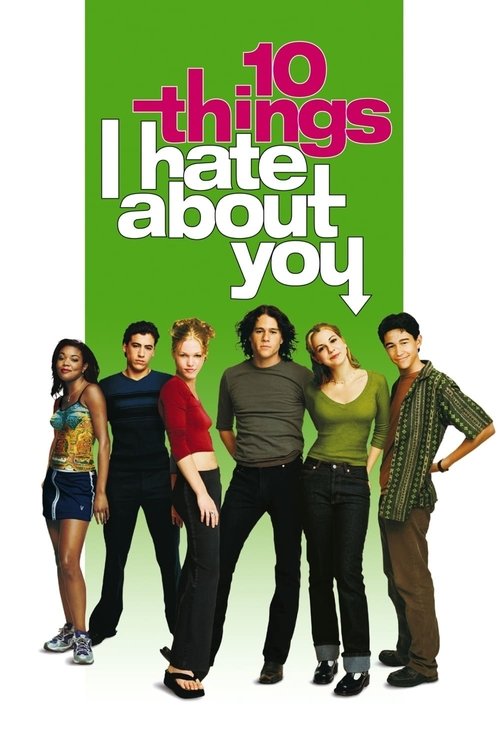
1999

1985
No reviews yet. Be the first to share your thoughts on this movie!
Use the rating form above to leave a star rating and optional review.