
2037
2022
No user ratings available yet
Representation score: 8.5 out of 10
Representation Score
Fair
2009
Director
Lee Jang-Soo
Runtime
109 minutes
Average Rating
No ratings yetNew Showbiz Analysis
Paradise opens with a sun-drenched rural landscape that promises pastoral innocence, but the camera quickly reveals the landscape as a site of sexual entitlement. The film’s argument is that traditional community structures are hollow when they demand female submission while celebrating male desire. Mi-kyeong, the urban outsider, is the only character who sees this clearly, and her moral clarity is the film’s thesis. The village men, led by the charismatic Il-ho, are portrayed as a collective of entitled predators whose individuality is subsumed by their shared misogyny. The film’s internal logic is consistent: it does not offer a compromise or a romantic union, but a rejection. The last image is Mi-kyeong’s solitary departure, a quiet affirmation of her autonomy over the village’s collective hypocrisy. This ending is the moral verdict: the only honest response to a system that treats women as communal property is to leave. The film is a sharp social critique, using the rural setting to examine the cost of female autonomy in a traditional society. It does not shy away from the ugliness of the village’s dynamics, and it does not offer a easy resolution. The camera loves Mi-kyeong’s face, treating her as the moral center, while the men are shown in group shots, their individuality subsumed by their collective masculinity. The film’s argument is that the village’s values are natural, but the camera’s perspective reveals their hypocrisy. The punchline is Mi-kyeong’s departure, which is both a rejection of the village and an affirmation of her own values.
Category Breakdown
No queer identities appear. The narrative stays strictly heterosexual, focusing on sexual dynamics between male villagers and female leads. Same-sex intimacy is absent from the on-screen inventory.
Mi-kyeong is the competent moral center, navigating the village with intelligence. Men are framed as sexually entitled and inept. Local women are largely defined by their relationship to male desire, representing either compliant submission or sexual availability.
The cast is exclusively Korean, reflecting the specific rural setting. The primary social tension is an urban-rural class dynamic rather than an ethnic one. The protagonist’s outsider status drives the conflict.
Traditional rural institutions are depicted as oppressive, treating female bodies as communal property. The ending rejects the village’s offer of a normal life, affirming subjective morality. The critique relies on the contrast between the pure outsider and primitive locals.
No characters with disabilities appear. The film contains no medical or impairment-related plotlines. The focus remains on social and sexual dynamics rather than physical differences.
Present on Screen
Limited or Absent
Official Synopsis
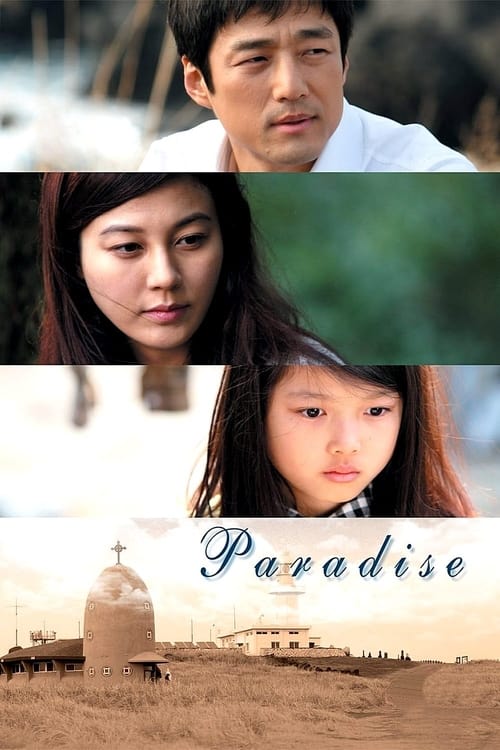
A woman released from prison, gets on a ship without any plans to find an island called ‘Paradise’ that was advertised on a flyer she got in the train. She meets a male teacher on the ship who helps her to get a job at a school cafeteria on the island. One day, she rescues a student who happened to be making the same mistake the woman made which eventually landed her in prison. Despite the rescue, the girl eventually catches on fire.
2022

2014

2019

2007

2024

2003

2000

2022
No reviews yet. Be the first to share your thoughts on this movie!
Use the rating form above to leave a star rating and optional review.