
Skeleton Crew
2009
No user ratings available yet
Representation score: 3.4 out of 10
Representation Score
Limited
2010
Director
Luigi Pastore
Runtime
80 minutes
Average Rating
No ratings yetNew Showbiz Analysis
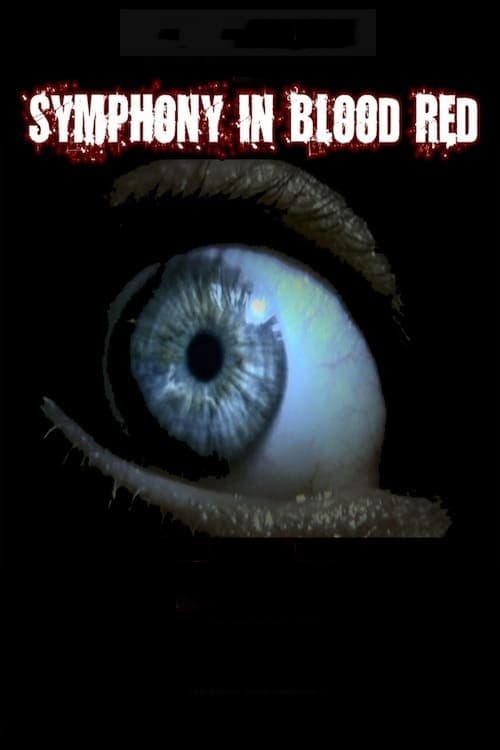
Symphony In Blood Red operates strictly within the conventions of psychological horror. The narrative prioritizes an individual's descent into madness and the breakdown of professional boundaries over social or multi-layered exploration. While the film disrupts the stability of clinical institutions, it does so through a narrow, subjective lens. The focus remains on personal delusion and violence rather than systemic critique. Ultimately, the film lacks the diverse casting and intentional social complexity required for a progressive representation score.
Category Breakdown
The film centers on a male protagonist and his lost love, without exploring non-straight identities or critiquing the assumption that everyone is straight or cisgender.
A female psychologist holds professional authority, serving mainly as a catalyst for the protagonist's violent actions. The film avoids traditional gender roles in favor of a clinical power dynamic.
The narrative suggests a homogeneous focus, with no indication of a diverse cast or the inclusion of characters from non-Anglo-Saxon backgrounds.
The story critiques the effectiveness of Western professional institutions through a lens of trauma. However, it lacks broader socio-political or anti-capitalist frameworks.
The plot centers on mental instability and latent madness, risking the use of psychosis as a horror cliché rather than providing a nuanced portrayal of the character's experiences.
Present on Screen
Limited or Absent
Official Synopsis
During an analytic session, a psychologist recommends that one of her patients be admitted to a specialist clinic, but this decision unleashes the mysterious individual's latent madness. Abandonment is the key to his delusion, which will lead him to kill once again, as he had done in the past with his first, lost love. So, after disposing of the analyst's body, he decides to continue the "therapy" alone with the aid of a small video camera, recording his emotional states in a hallucinatory crescendo.
2009

2005

2009
1986

2003
1981
2019

1987
No reviews yet. Be the first to share your thoughts on this movie!
Use the rating form above to leave a star rating and optional review.