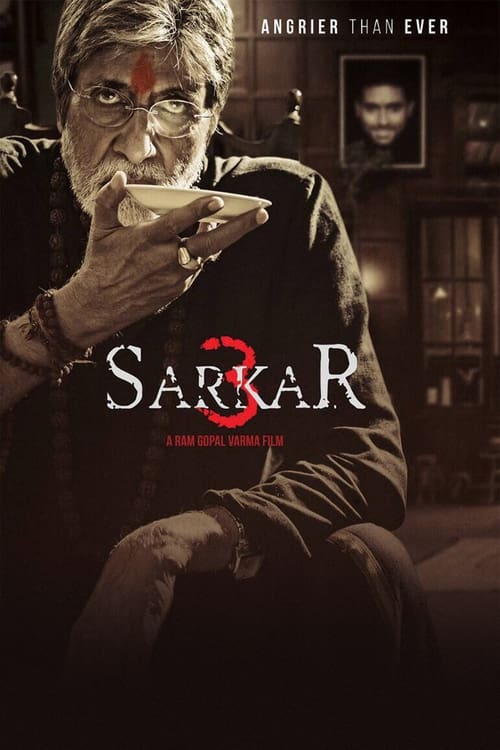
Sarkar 3
2017
No user ratings available yet
Representation score: 2.8 out of 10

Representation Score
Limited
2005
Not RatedDirector
Ram Gopal Varma
Runtime
123 minutes
Average Rating
No ratings yetNew Showbiz Analysis
Sarkar is a gritty crime drama that prioritizes the deconstruction of power structures over demographic diversity. While it lacks representation for LGBTQ+ individuals and people with disabilities, it offers a nuanced look at institutional corruption. The film operates within a heavily patriarchal framework, focusing almost entirely on male-driven political and criminal activities, which limits the scope of gender diversity and ability to act within the story. However, it achieves narrative sophistication by challenging the sanctity of the state, replacing traditional law and order with a personalized shadow government, providing a complex look at institutional corruption.
Category Breakdown
The film does not include any LGBTQ+ characters or non-cisgender identities.
The story revolves around a patriarchal structure where female characters have limited influence and are sidelined in the main power struggles.
The film showcases a diverse urban environment in Mumbai, focusing on socioeconomic class dynamics rather than specific ethnic backgrounds.
The film effectively critiques the state as a corrupt institution, challenging the traditional notion of moral authority.
The film does not feature any characters with physical, sensory, or neurodivergent disabilities.
Present on Screen
Limited or Absent
Official Synopsis
Subhash Nagre runs a parallel government in the city where he has a cult following. When his enemies plot to murder him, his son takes charge and stands up against them.
2017
2011
2002
2010
2010
1995
2008
2014
No reviews yet. Be the first to share your thoughts on this movie!
Use the rating form above to leave a star rating and optional review.