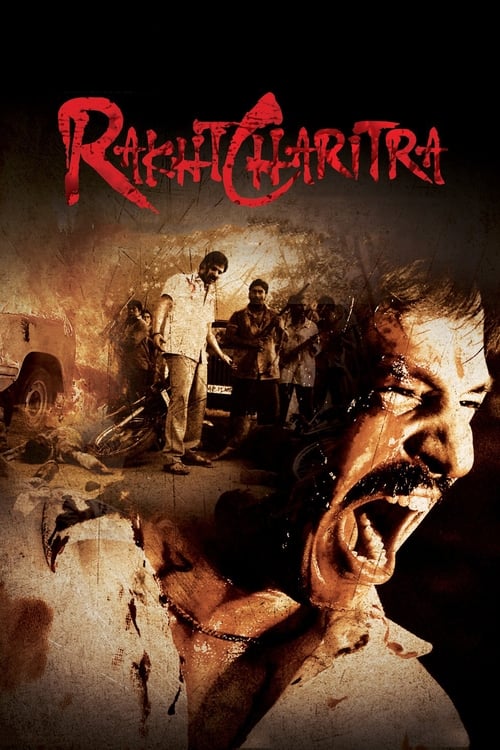
Rakht Charitra
2010
No user ratings available yet
Representation score: 2.9 out of 10
Representation Score
Limited
2010
Not RatedDirector
Ram Gopal Varma
Runtime
135 minutes
Average Rating
No ratings yetNew Showbiz Analysis
Rakht Charitra 2 is a gritty study of power and the breakdown of social contracts. It prioritizes a cynical, realistic portrayal of systemic volatility over sanitized heroism. The film excels at deconstructing political institutions and exploring localized, non-Western power structures. However, the film lacks diversity in terms of gender and LGBTQ+ identities. The narrative is driven almost exclusively by masculine archetypes and traditional patriarchal structures of retribution, which limits the breadth of its social representation. Ultimately, the film's strength lies in its cultural complexity and its exploration of regional identity. It offers a deep dive into the pragmatic, often violent requirements of survival within a specific Indian socio-political landscape.
Category Breakdown
The film follows a traditional structure focused on masculine power struggles and political succession without any evident LGBTQ+ characters.
The story centers around male-driven conflicts and masculine archetypes of vengeance. Women navigate high-stakes environments, but the primary drivers remain patriarchal structures of power.
The film provides significant representation of regional Indian socio-political landscapes. It explores complex ethnic and caste-based power dynamics within a specific cultural context.
The story disrupts conventional morality by portraying political institutions as entities that can be betrayed. It emphasizes a cycle of vengeance that critiques state stability.
There is no discernible focus on characters with visible or invisible disabilities within the provided narrative.
Present on Screen
Limited or Absent
Official Synopsis
The sequel carries forward the tale of power and revenge which exploded in Rakht Charitra 1. The rebel leader turned politician, Pratap consolidates his political base but is forced to retread the path of vengeance once again after a rival from the past, Surya Narayan Reddy chooses to avenge the assassination of his family. Surya swears vengeance against Pratap after his family is wiped out in a bomb attack and Pratap is hell bent on decimating his enemy, even if it means separating ways with his mentor and political veteran, Shivaji.
2010
2012
1990

2012
2002

2023
2013
2014
No reviews yet. Be the first to share your thoughts on this movie!
Use the rating form above to leave a star rating and optional review.