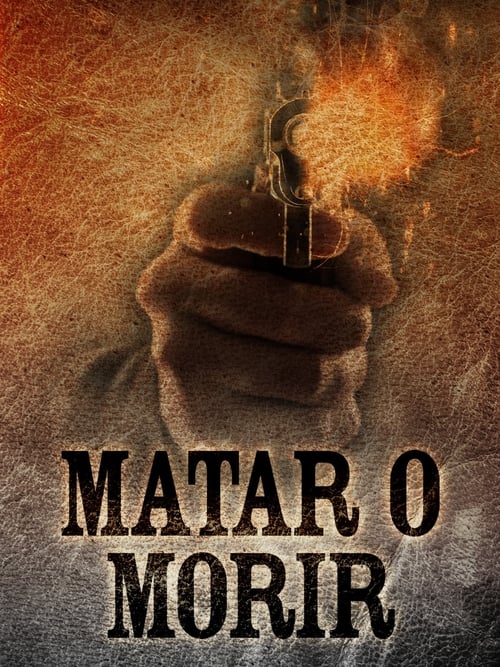
Matar o morir
1984
No user ratings available yet
Representation score: 4.4 out of 10
Representation Score
Limited
1983
PGDirector
Rafael Villaseñor Kuri
Runtime
102 minutes
Average Rating
No ratings yetNew Showbiz Analysis
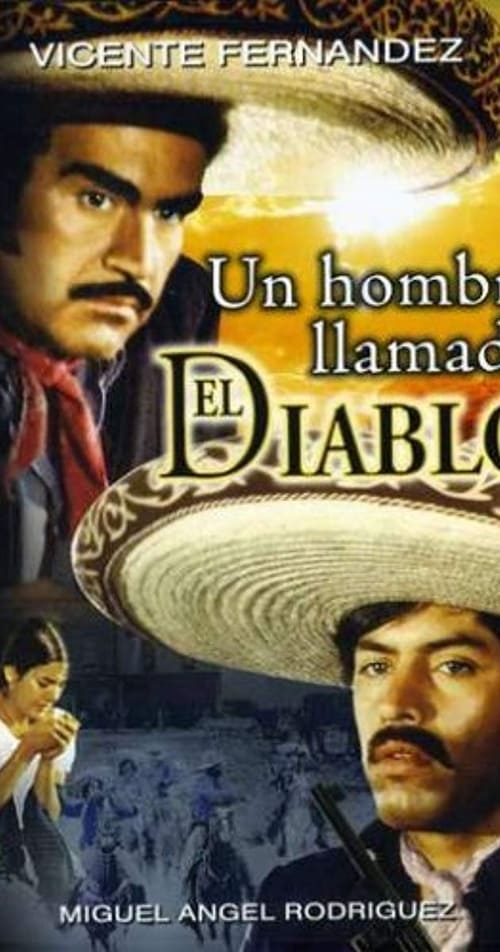
Un hombre llamado el diablo shifts the Western genre away from Hollywood's dominance and into a rural Mexican context. This provides a significant boost to ethnic representation and regional identity. However, the film remains tied to traditional genre conventions. The focus on blood feuds and masculine archetypes suggests a reliance on conventional power dynamics rather than progressive social change. Ultimately, while the film succeeds in providing a non-Anglo-Saxon lens, it lacks documented evidence of multi-layered depth or the inclusion of diverse identities regarding gender, sexuality, or disability.
Category Breakdown
The film does not include any explicit queer narratives or non-cisgender identities. It follows traditional romantic clichés typical of 1980s Mexican dramatic cinema.
The narrative centers on masculine archetypes of conflict and leadership within a Western setting. There is little indication of female empowerment or challenging traditional gender roles.
By focusing on rural Mexico, the film provides a meaningful departure from Hollywood's predominantly white Western films. It prioritizes Latin American cultural perspectives and casting.
The story explores localized honor codes and cycles of violence through blood feuds. It lacks explicit themes of secularism or questioning Western institutional frameworks.
There is no documented evidence of characters with physical or neurodivergent disabilities in this work.
Present on Screen
Limited or Absent
Official Synopsis
Rapine and blood-feuds in rural Mexico.
1984
1980
1988
1977
1978
1982
1984
1985
No reviews yet. Be the first to share your thoughts on this movie!
Use the rating form above to leave a star rating and optional review.