Curious George
2006
No user ratings available yet
Representation score: 2.4 out of 10
Representation Score
Limited
2004
GDirector
Saul Blinkoff, Elliot M. Bour
Runtime
65 minutes
Average Rating
No ratings yetNew Showbiz Analysis
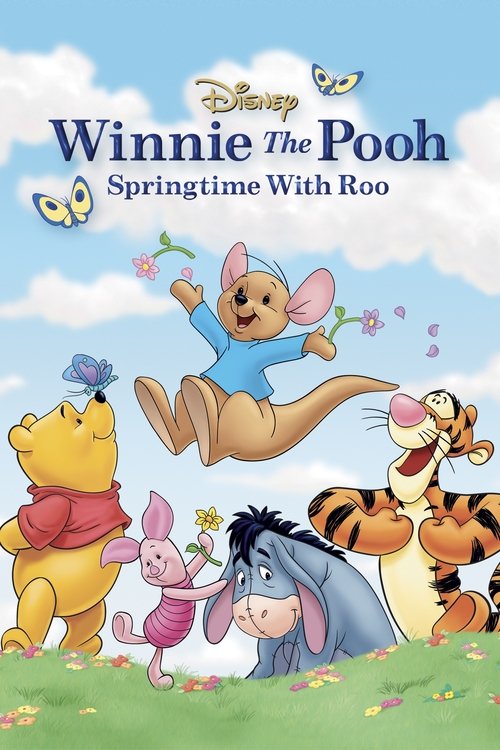
Springtime with Roo is a traditionalist narrative that prioritizes stable social archetypes and conventional emotional development. It functions as a restorative experience that affirms the status quo rather than challenging it. The film relies on established character roles, such as Kanga’s maternal caregiving, to drive its emotional core. While it promotes pro-social behavior and community harmony, it avoids any engagement with multi-layered frameworks or social disruption. Ultimately, the setting is designed to be a homogeneous, whimsical world. It lacks the complexity required to address diverse human identities, focusing instead on the simple, seasonal adventures of the Hundred Acre Wood.
Category Breakdown
The story focuses on anthropomorphic animals in a pastoral setting. It does not include any representation of LGBTQ+ identities or same-sex relationships.
Kanga serves as the primary maternal figure, reinforcing traditional family roles. The narrative highlights emotional intelligence within a stable, conventional social structure.
The cast consists entirely of animal characters, avoiding human racial or socioeconomic identifiers. The setting maintains a homogeneous environment driven by character types.
The film promotes community cohesion and seasonal celebrations. It upholds traditional values of kindness and familial affection without questioning power structures.
Eeyore’s melancholic temperament is portrayed as a personality quirk rather than an exploration of neurodivergence. There is no specific focus on disability ability to act.
Present on Screen
Limited or Absent
Official Synopsis
Spring has sprung, and baby Roo is excited to get out and explore and make new friends. But Rabbit seems preoccupied with spring cleaning, instead of embracing his usual role of playing Easter Bunny. Leave it to Roo to show Rabbit -- through love -- that it's more important who you love and not who's in charge.
2006

1997
2000
2002
2010
2005
2011

2004
No reviews yet. Be the first to share your thoughts on this movie!
Use the rating form above to leave a star rating and optional review.