
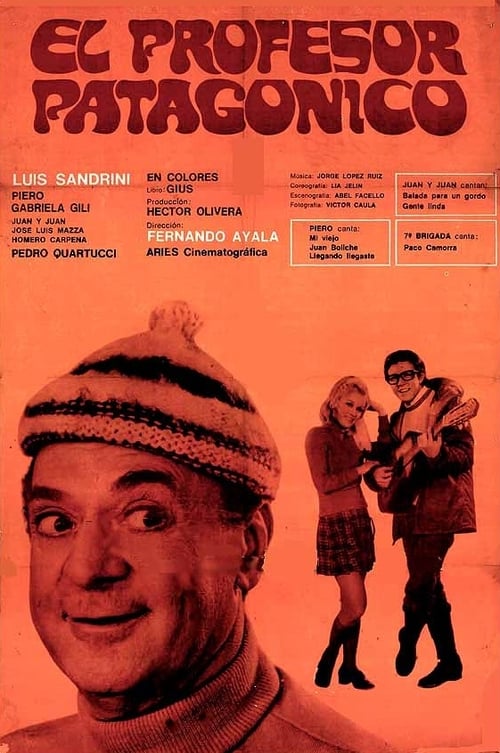
The Hippie Teacher
1969
No user ratings available yet
Representation score: 5.5 out of 10
Representation Score
Fair
1970
Director
Fernando Ayala
Runtime
96 minutes
Average Rating
No ratings yetNew Showbiz Analysis
The film operates as a period-specific comedy using 1970s counter-culture clichés to examine institutional conflicts. It leverages the social changes of the era through its protagonist's non-conformist worldview. While the work touches on themes of authority and social norms, it does not delve deeply into multi-layered complexities. Its representation is shaped by the era's cultural context rather than a conscious effort towards diversity. Ultimately, the film captures Argentine social satire, emphasizing regional identity and the emerging folk-rock movement over broader demographic inclusivity.
Category Breakdown
The film does not explicitly depict LGBTQ+ identities. It follows a traditional comedic structure typical of the 1970s.
The story focuses on a male protagonist's career journey. Although his 'hippie' persona may challenge strict masculine norms, women do not seem to have prominent roles in driving the plot.
The film likely mirrors the demographics of Argentina. While the Patagonian setting showcases diverse regional identities, there are no specific details about non-Anglo-Saxon representation.
The protagonist's non-conformist attitude suggests a challenge to traditional authority. Including singer Piero ties the film to the era's progressive folk-rock movement.
There is no information about the depiction of physical or neurodivergent disabilities in this film.
Present on Screen
Limited or Absent
Official Synopsis
After filming the hippie professor Luis Sandrini filmed this sequel to the above, following the sanctions imposed on it by Professor Horacio Montesano, sending him to Patagonia to a secondary school. Among the supporting cast is the famous singer Piero (he even play many of their good songs).
1969

1980
1972
1976
1971

1970

1971

1979
No reviews yet. Be the first to share your thoughts on this movie!
Use the rating form above to leave a star rating and optional review.