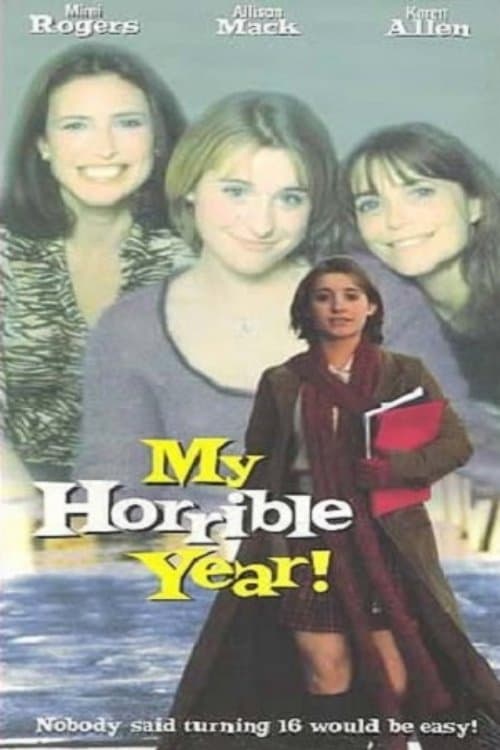
My Horrible Year!
2001
No user ratings available yet
Representation score: 0.8 out of 10
Representation Score
Limited
2008
TV-Y7Director
Steve Hoefer, Vadim Kapridov
Runtime
47 minutes
Average Rating
No ratings yetNew Showbiz Analysis
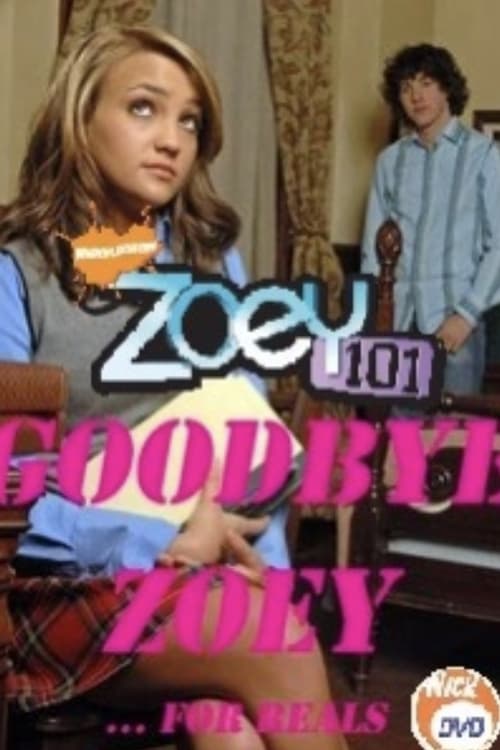
Zoey 101: Goodbye Zoey? tells a conventional coming-of-age story focused on a protagonist's personal and familial transitions. The narrative structure follows typical developmental arcs for the time, emphasizing the move to London. While the film highlights a central female perspective, it does not explicitly challenge traditional gender norms or multi-layered complexities. The themes are rooted in standard domesticity and youth-oriented storytelling clichés. Overall, the production serves as a straightforward drama about relocation without serving as a platform for progressive social commentary or diverse representation.
Category Breakdown
The film does not include any LGBTQ+ characters or explore non-straight identities. It does not question the assumption that everyone is straight or cisgender.
The story revolves around a female protagonist dealing with major life transitions. While it highlights her ability to drive the story, it does not challenge traditional gender roles.
Moving to London could have introduced multicultural elements, but the racial makeup of the cast is not specified. The film maintains a neutral stance typical of mid-2000s youth media.
The plot centers on traditional family dynamics and everyday dramas. It does not critique established cultural norms or systemic power structures.
The film does not feature any characters with physical or neurodivergent conditions. The narrative does not address disability representation.
Present on Screen
Limited or Absent
Official Synopsis
Zoey is offered a chance to move to London with her parents.
2001

2006
2006

2000

2008

1980

1992

2008
No reviews yet. Be the first to share your thoughts on this movie!
Use the rating form above to leave a star rating and optional review.