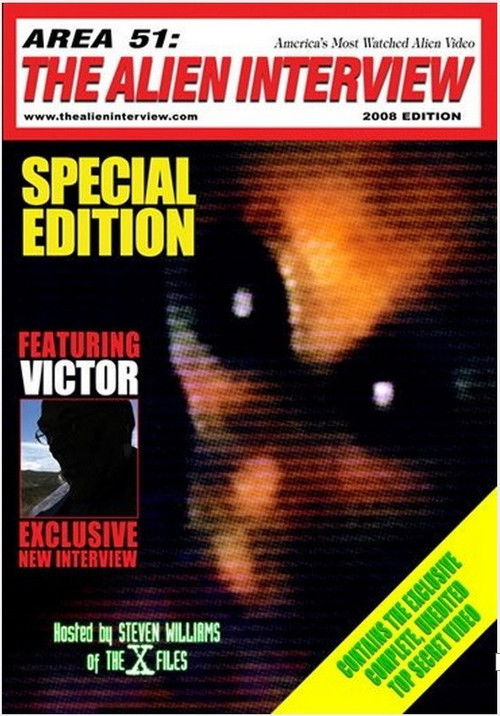
Area 51: The Alien Interview
1997
No user ratings available yet
Representation score: 4.3 out of 10

Representation Score
Fair
2009
PGDirector
James Fox
Runtime
92 minutes
Average Rating
No ratings yetNew Showbiz Analysis
I Know What I Saw primarily functions as a challenge to institutional authority rather than a study of intersecting identities. It emphasizes the individual witness over centralized state power. While the film lacks significant representation of gender and LGBTQ+ identities, it achieves a progressive stance through its cultural approach. The narrative structure disrupts the reliability of established Western institutions. Ultimately, the documentary constructs a framework of intellectual skepticism that deconstructs traditional power structures, even though it lacks broad demographic diversity.
Category Breakdown
The documentary does not include any characters or stories centered around LGBTQ+ identities. The focus remains solely on technical and military testimonies.
The testimonial pool is dominated by males from sectors such as aviation and the military. Although high-ranking professionals appear, there is no specific emphasis on gender-related issues.
The film includes witnesses from seven different countries, providing a global perspective that introduces ethnic and cultural diversity beyond a strictly Anglo-centric viewpoint.
The film explores themes of institutional skepticism, prioritizing individual truth over standardized state accounts provided by authorities.
There is no indication that neurodivergence or physical disabilities play a central role in the narrative or serve as character devices.
Present on Screen
Limited or Absent
Official Synopsis
Director James Fox assembled the most credible UFO witnesses from around the world to testify at The National Press Club in Washington D.C.: Air Force Generals, astronauts, military and commercial pilots, government and FAA officials from seven countries tell stories that, as Governor Fife Symington from Arizona stated, "will challenge your reality".
1997
2020
2015
2020
2015
1995
2003

2022
No reviews yet. Be the first to share your thoughts on this movie!
Use the rating form above to leave a star rating and optional review.