
Area 51: The Alien Interview
1997
No user ratings available yet
Representation score: 4.3 out of 10
Representation Score
Limited
2015
Not RatedDirector
Michael Madsen
Runtime
83 minutes
Average Rating
No ratings yetNew Showbiz Analysis
The film aims to break the traditional Western-centric 'first contact' archetype by focusing on systemic, global responses rather than individual heroes. Utilizing the United Nations as a central setting promotes a cosmopolitan worldview. However, the project lacks explicit representation of LGBTQ+ or disability issues, creating gaps in its inclusive framework.
Category Breakdown
The film does not include any LGBTQ+ characters or stories about non-cisgender identities. The focus is solely on scientific exploration and diplomatic relations.
The story focuses on global institutions such as the UN. While the cast includes figures like Mazlan Othman, there are no specific subversions of traditional gender roles.
The film shifts away from Anglo-Saxon sci-fi clichés by using an international setting. Casting Mazlan Othman suggests a more global, non-Western perspective.
The story explores globalism and international bureaucracy rather than individualistic Western heroism. It challenges nationalist clichés but does not provide specific religious or economic details.
There are no characters with visible or invisible disabilities mentioned in the provided context.
Present on Screen
Limited or Absent
Official Synopsis
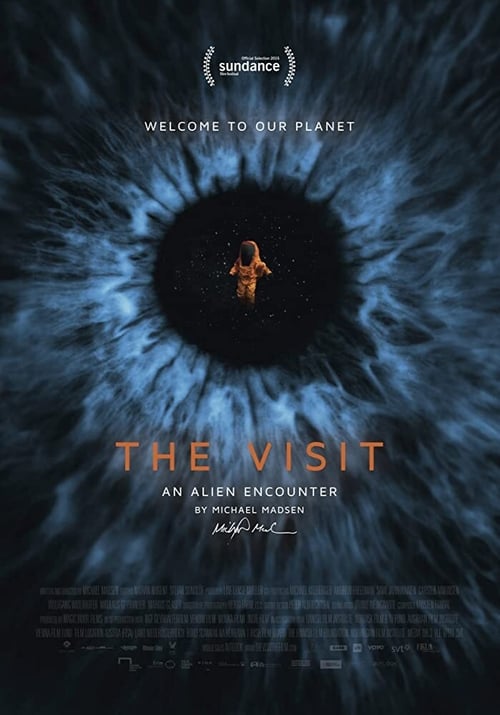
“This film documents an event that has never taken place…” With unprecedented access to the United Nations’ Office for Outer Space Affairs, leading space scientists and space agencies, The Visit explores humans’ first encounter with alien intelligent life and thereby humanity itself. “Our scenario begins with the arrival. Your arrival.”
1997

2017

2020
2015

2009

1995

2022

2013
No reviews yet. Be the first to share your thoughts on this movie!
Use the rating form above to leave a star rating and optional review.