For the Love of Movies: The Story of American Film Criticism
2009
No user ratings available yet
Diversity score: 3.9 out of 10
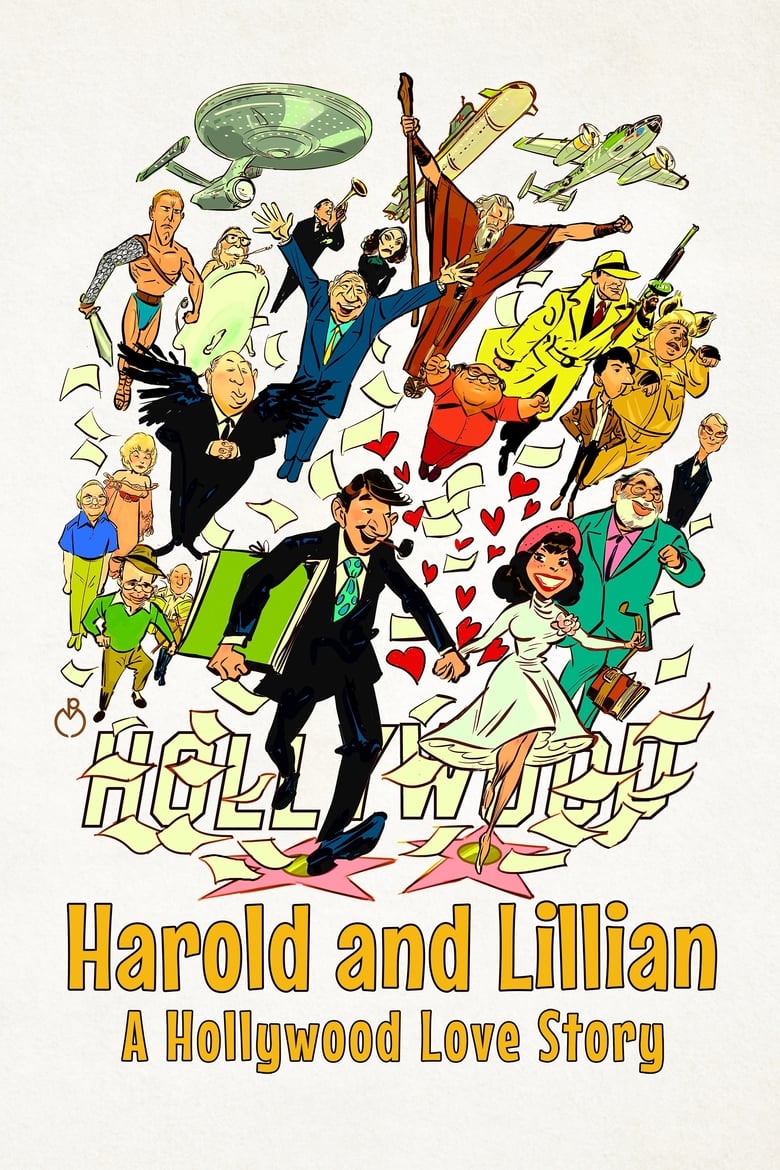
2017
Director
Daniel Raim
Runtime
96 minutes
Average Rating
No ratings yetSynopsis
Working largely uncredited in the Hollywood system, storyboard artist Harold and film researcher Lillian left an indelible mark on classics by Alfred Hitchcock, Steven Spielberg, Mel Brooks, Stanley Kubrick, Roman Polanski and many more.
Overall Score
Fair
Category Breakdown
LGBTQ+ Representation
The documentary centers on the heterosexual marriage of Harold Burt and Lillian Hellman. It follows a traditional romantic structure without featuring LGBTQ+ characters or narratives.
Gender Representation
Lillian Hellman is presented as a woman with significant professional agency in a male-dominated industry. This disrupts passive female tropes, though the marriage is depicted through a lens of traditional domestic stability.
Racial & Ethnic Diversity
The film reflects the racial homogeneity of the mid-20th-century Hollywood studio system. There is no evidence of diverse ensemble dynamics or race-bent casting within the archival context.
Religious & Cultural Diversity
The narrative engages with social critique through Lillian Hellman’s leftist political engagement. It highlights the hidden labor and systemic inequities of the Hollywood machine.
Disability Representation
There is no evidence that neurodivergence or physical disabilities are central themes or addressed through specific character arcs in this documentary.
Strengths
Areas for Improvement
AI Analysis
The film acts as a historical preservation of female professional agency, specifically highlighting Lillian Hellman's vital contributions to cinema. It succeeds in giving voice to uncredited labor within the studio system. However, the documentary remains tethered to the social frameworks of its era. It prioritizes the celebration of a specific, established partnership over the active deconstruction of modern identity politics or diverse demographic representation. Ultimately, the film's scope is narrow, focusing on a specific mid-century professional duo rather than a broad spectrum of identities.
2009

2017

2017
2000
1975
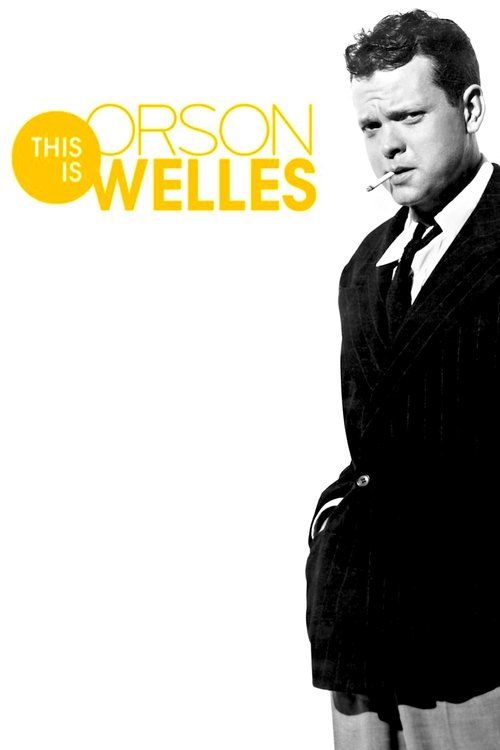
2015
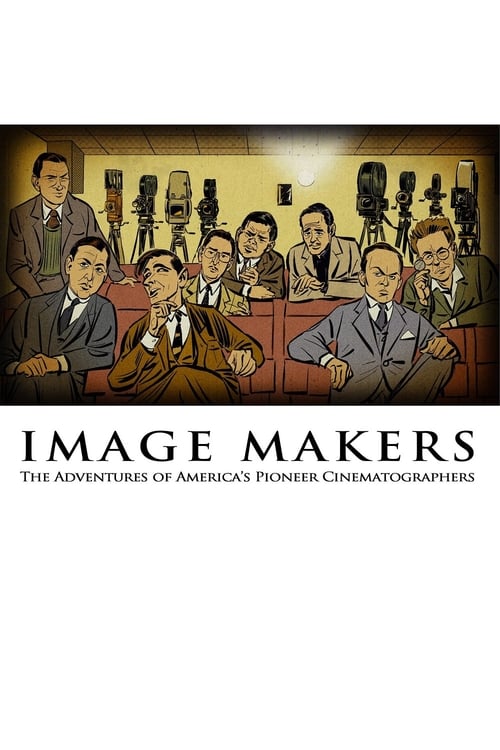
2019

2012

2019

2018
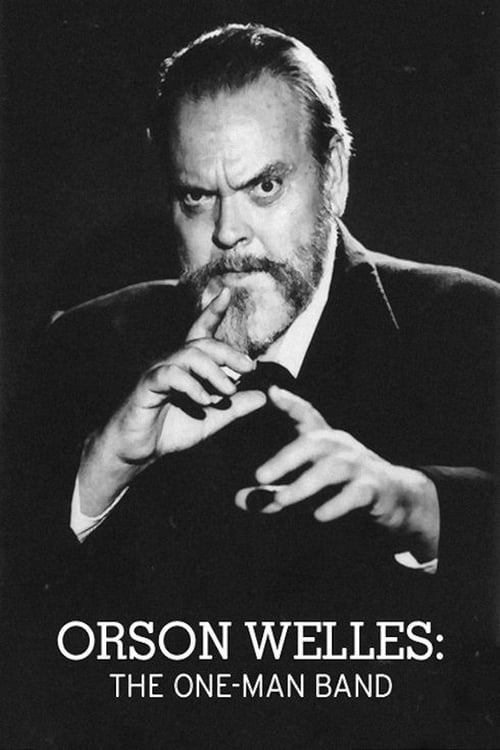
1995
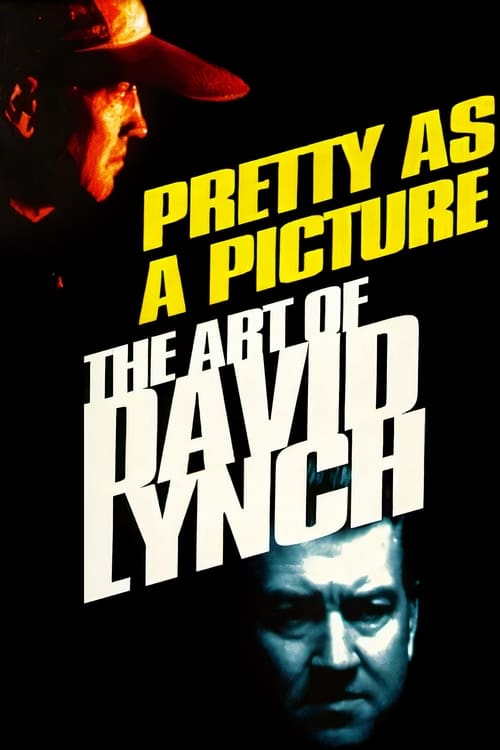
1997
No reviews yet. Be the first to share your thoughts on this movie!
Use the rating form above to leave a star rating and optional review.