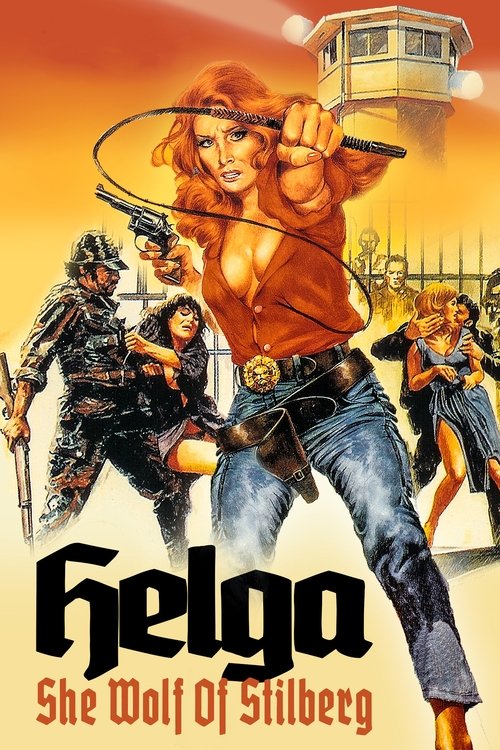
Helga: She Wolf of Stilberg
1977
No user ratings available yet
Representation score: 2.5 out of 10

Representation Score
Fair
2007
Director
Mikio Hirota
Runtime
76 minutes
Average Rating
No ratings yetNew Showbiz Analysis
The film serves as a critique of institutional power and gendered exploitation. It highlights a woman's struggle against a corrupt, patriarchal industrial system. Though the film lacks diverse ethnic or LGBTQ+ representation, it challenges traditional authority by framing male leadership as oppressive. Ultimately, the film emphasizes rebellion against unjust capitalist structures, presenting a narrative of systemic victimhood and resistance.
Category Breakdown
The film does not include explicit LGBTQ+ identities or non-straight relationships. Instead, it focuses on predatory behavior within traditional power structures.
Natsumi is a key female character who challenges a male-dominated industry. The film flips traditional gender roles by showing male leaders as cruel oppressors.
The cast is made up of a homogeneous Japanese group, reflecting a local cultural context. It avoids Western whitewashing by focusing on regional labor issues.
The story criticizes corrupt capitalist and industrial institutions. It portrays factory leaders as oppressive and frames the protagonist's rebellion as a fight against systemic cruelty.
There is no depiction of physical or neurodivergent disabilities in the film.
Present on Screen
Limited or Absent
Official Synopsis
Natsumi (Ai Takeuchi) is forced to work in a steel factory in order to pay off a debt, a factory notorious for employing women with "dark pasts" as slave labor. Tsukada, Chief of Security places Natsumi in a team of four women led by Atsuko(Nagisa Umeno). When one worker fails to follow instructions, Tsukada rapes her, and Natsumi is next on his list. Natsumi tries to fight the insanity, but is hindered by managing director Hideko and factory president Kamiyama. It is up to Natsumi to take on the evildoings of the factory.
1977
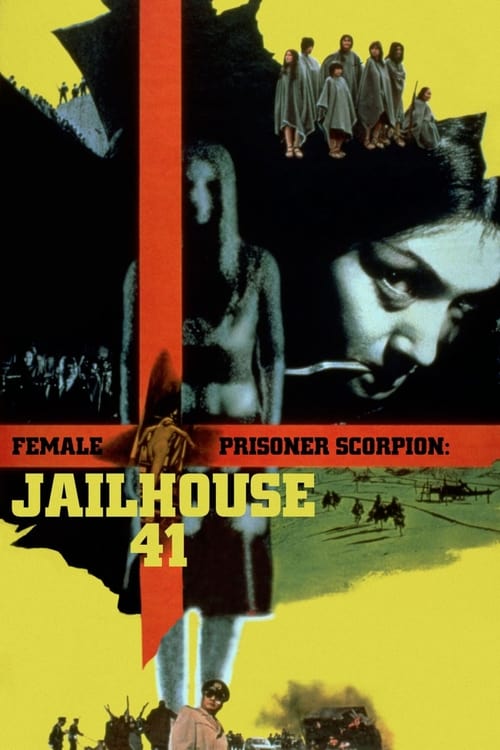
1972

2008

2013

2006
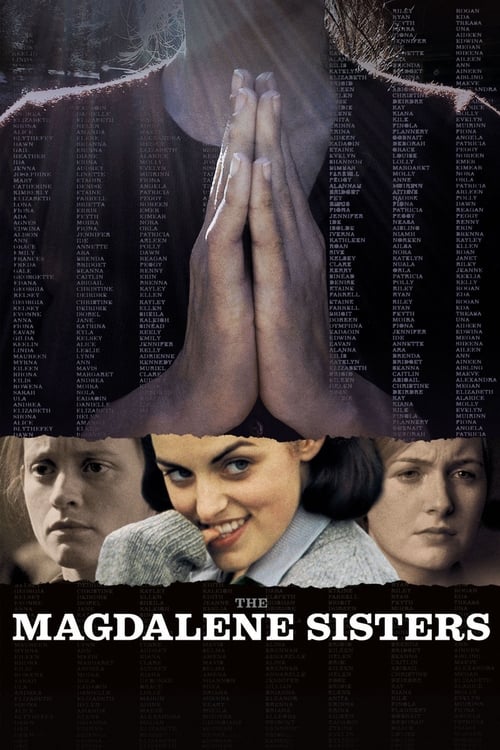
2002

2012
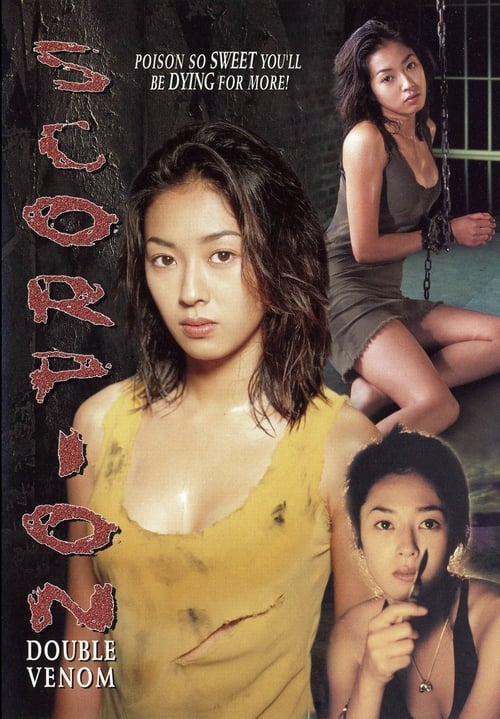
1998
No reviews yet. Be the first to share your thoughts on this movie!
Use the rating form above to leave a star rating and optional review.