
Zero 2
2010
No user ratings available yet
Representation score: 2.7 out of 10

Representation Score
Fair
2017
Director
Emilis Vėlyvis
Runtime
90 minutes
Average Rating
No ratings yetNew Showbiz Analysis
Zero III functions primarily as a socio-political satire, using the crime-comedy genre to dissect systemic corruption and greed within Lithuanian institutions. Its narrative strength lies in its critique of authority and the deconstruction of political power structures. However, the film lacks broad representation. The focus on localized political dysfunction results in a relatively homogeneous cast and a narrative that does not actively engage with diverse identities or non-straight relationships. While the film succeeds in its thematic commitment to questioning established power, it misses opportunities to integrate broader representation across gender, race, and sexual orientation.
Category Breakdown
The film does not explicitly feature LGBTQ+ characters or explore non-straight relationships. The story focuses on political crime and comedy rather than identity-based themes.
Prominent female performers like Inga Jankauskaitė and Rimantė Valiukaitė are part of the ensemble. However, it is unclear if these roles offer significant influence or follow traditional genre clichés.
The production reflects the demographic reality of Lithuania, focusing on domestic politics. The cast and setting suggest a homogeneous ethnic composition consistent with the regional context.
The film engages deeply with institutional critique by examining corruption and greed in Lithuanian politics. It prioritizes deconstructing power structures over promoting traditional civic virtues.
There is no verifiable evidence of characters with visible or invisible disabilities within the narrative.
Present on Screen
Limited or Absent
Official Synopsis
An outrageous crime - action - comedy examining corruption and greed in Lithuanian politics.
2010
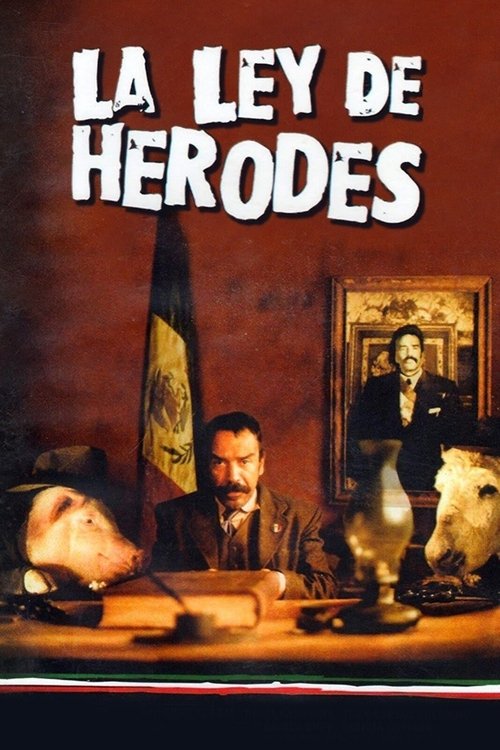
1999
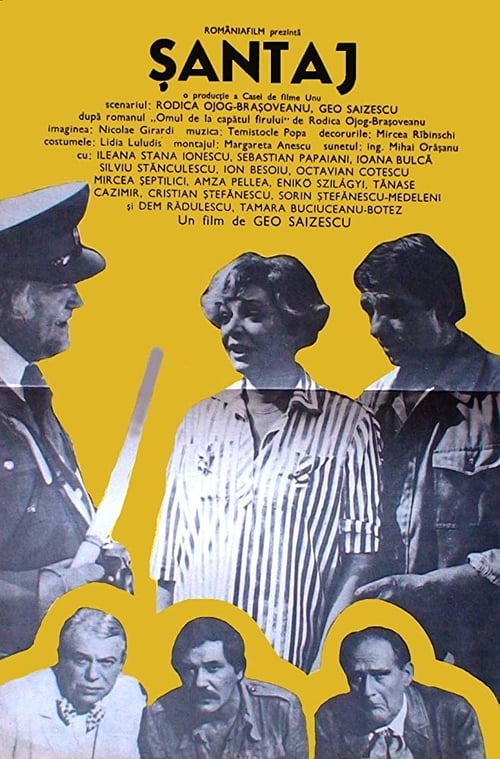
1981

2016
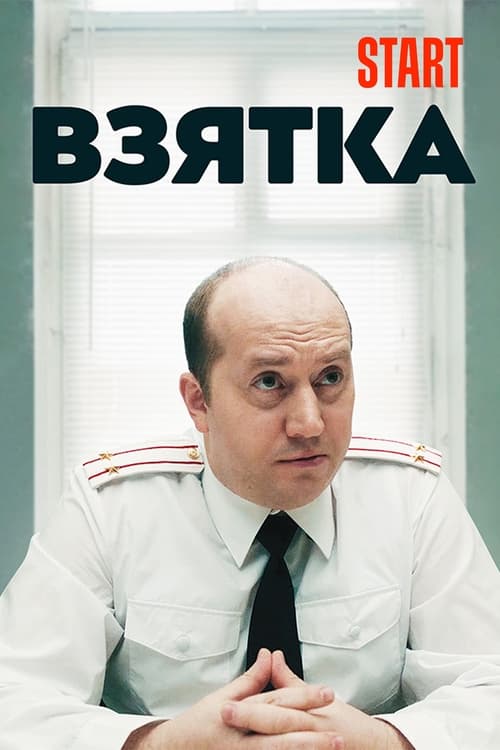
2018
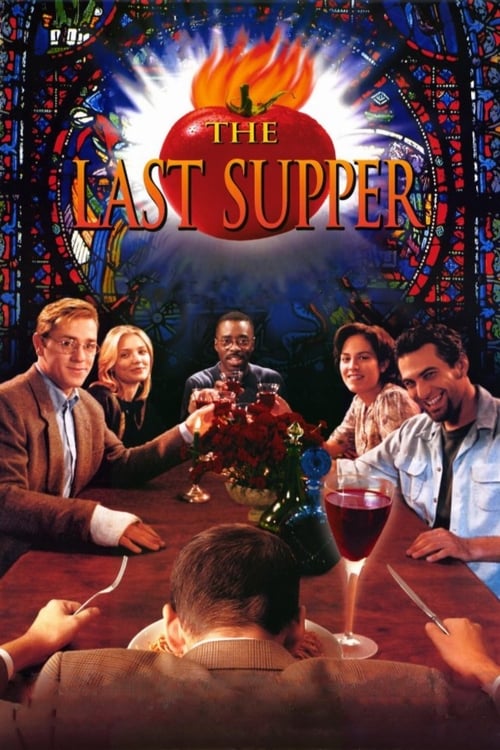
1995

2016

2023
No reviews yet. Be the first to share your thoughts on this movie!
Use the rating form above to leave a star rating and optional review.