Advice From a Caterpillar
1999
No user ratings available yet
Representation score: 4.7 out of 10
Representation Score
Fair
1998
RDirector
Daisy von Scherler Mayer
Runtime
84 minutes
Average Rating
No ratings yetNew Showbiz Analysis
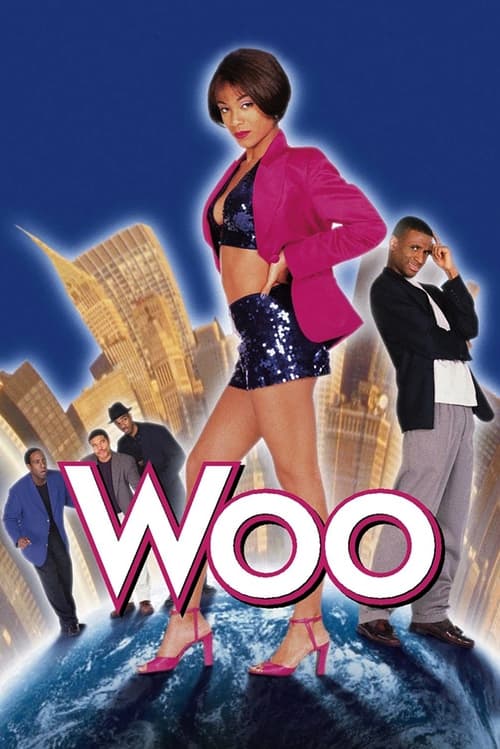
Woo succeeds as a character study of female empowerment, presenting a protagonist who is intellectually and socially dominant. By centering a woman in command of her environment, the film challenges the typical 'damsel' cliché common in romantic comedies. However, the film is limited by a lack of diverse representation. The social world is demographically homogeneous, focusing on a specific, white, upper-middle-class niche that lacks racial or queer diversity. Ultimately, while the film empowers the female experience, it remains tethered to a traditional social framework that fails to engage with a broader spectrum of identities.
Category Breakdown
The story focuses on a heterosexual relationship between the lead and her male counterpart. There are no explicit queer narratives or non-binary gender identities within the plot.
Woo is a sophisticated, independent protagonist who challenges traditional gender roles. The film emphasizes female empowerment and social dynamics, allowing the female lead to drive the narrative.
The film reflects the demographic homogeneity of late-90s cinema. Social circles are predominantly white and upper-middle-class, centered around a Eurocentric aesthetic within the fashion industry.
The narrative operates within a consumerist framework focused on style and status. It prioritizes individual ambition over traditional religious or familial structures, offering a moderate departure from conservative moralizing.
There are no characters with visible or invisible disabilities. No such identities are used as plot devices within the film.
Present on Screen
Limited or Absent
Official Synopsis
Woo is a woman in control of her world. She is smart, self-confident, sophisticated and snarky. And she doesn't have any trouble attracting members of the opposite sex. But for some reason no one ever sticks around. Woo meets Tim, a paralegal who is her complete opposite. They shouldn't click. However, Woo and Tim begin to bond when a series of weird and stressful calamities hits them while they are on their first date.
1999
2012

2013

2016
1997
2006

2009

1992
No reviews yet. Be the first to share your thoughts on this movie!
Use the rating form above to leave a star rating and optional review.