
The Creeper
1948
No user ratings available yet
Representation score: 1.8 out of 10
Representation Score
Limited
1970
PGDirector
Eddie Romero
Runtime
92 minutes
Average Rating
No ratings yetNew Showbiz Analysis
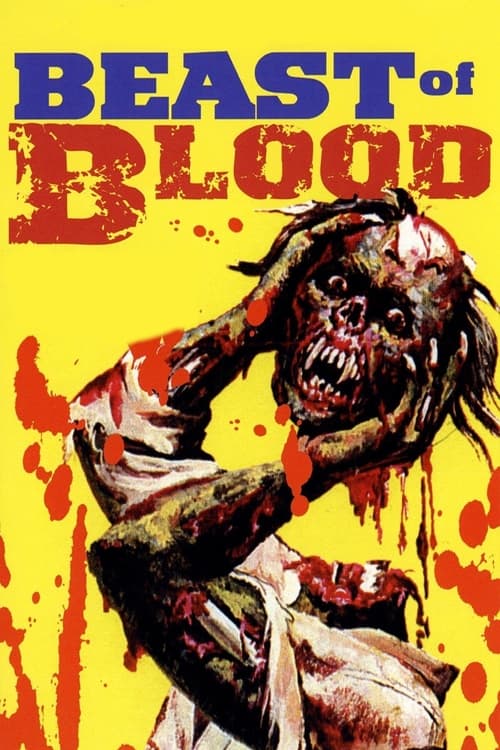
Beast of Blood stands out for its regional production context, using Filipino talent and settings to avoid the white-centric lens common in 1970s Hollywood cinema. However, the film remains entrenched in the era’s genre limitations, reinforcing traditional gender hierarchies and relying on standard exploitation clichés. While it excels in racial representation through its localized production, it fails to challenge systemic power dynamics or provide complex character depth.
Category Breakdown
The film follows early 1970s exploitation conventions and does not include any LGBTQ+ narratives or non-cisgender identities.
Male characters like the scientist have significant roles in driving the story, while female characters are mostly portrayed as damsels in distress.
With a predominantly Filipino cast and crew, the film offers a significant departure from Western-centric casting norms.
The narrative focuses on visceral thrills and lacks the deconstruction of traditional institutions seen in more progressive works.
Physical transformation is used as a vehicle for horror and violence, without nuanced exploration of lived experiences related to disability.
Present on Screen
Limited or Absent
Official Synopsis
A mad scientist creates a monster, but after its head is cut off, he keeps it alive in a serum he has invented.
1948

1957

1972

1958
1983
1945
1977
1978
No reviews yet. Be the first to share your thoughts on this movie!
Use the rating form above to leave a star rating and optional review.