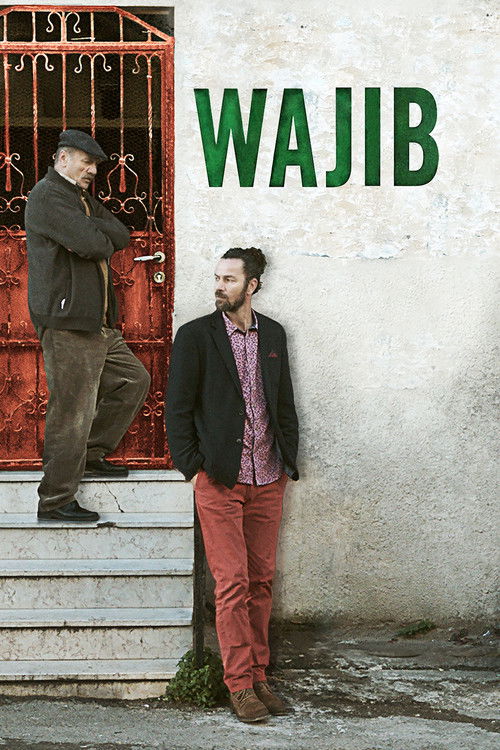
Wajib
2017
No user ratings available yet
Representation score: 4.5 out of 10

Representation Score
Good
2015
Director
Dorit Hakim
Runtime
110 minutes
Average Rating
No ratings yetNew Showbiz Analysis
Moon in the 12th House is a character-driven domestic drama that prioritizes female perspectives. The conflict is driven by the divergent lives of two sisters, one rooted in domestic caregiving and the other in urban autonomy. The film succeeds in centering female subjectivity and challenging idealized patriarchal family structures. It uses the reality of a father's illness to explore the complexities of care and estrangement. However, the film lacks explicit markers of the way different parts of someone's identity overlap. Without clear evidence of LGBTQ+ representation or broader ethnic diversity beyond the Israeli setting, the narrative remains focused on a narrow, localized scope.
Category Breakdown
The film does not include any explicit LGBTQ+ character arcs or same-sex intimacy. It maintains a neutral stance for a contemporary drama without overt LGBTQ+ themes.
The story focuses entirely on the experiences and emotional labor of women. By highlighting the tension between two sisters, the film challenges traditional patriarchal structures through the lens of female subjectivity.
Set in an Israeli context, the film explores a complex ethnic landscape. However, the narrative remains centered around a specific family unit without broader demographic details.
The narrative examines the traditional family unit by depicting the childhood home as a site of tension. It critiques traditionalist structures through the lens of modern, individualistic identities.
The presence of a debilitated father introduces themes of physical vulnerability and caregiving. This inclusion acknowledges the emotional realities of chronic illness as a central plot catalyst.
Present on Screen
Limited or Absent
Official Synopsis
When a pair of estranged Israeli sisters—one who stayed at the childhood home to care for their debilitated father, the other who left for a new life in Tel Aviv—are reunited, they must come to terms with the circumstances that tore them apart.
2017
2016

2014
2016

2013
2015
2015

2018
No reviews yet. Be the first to share your thoughts on this movie!
Use the rating form above to leave a star rating and optional review.