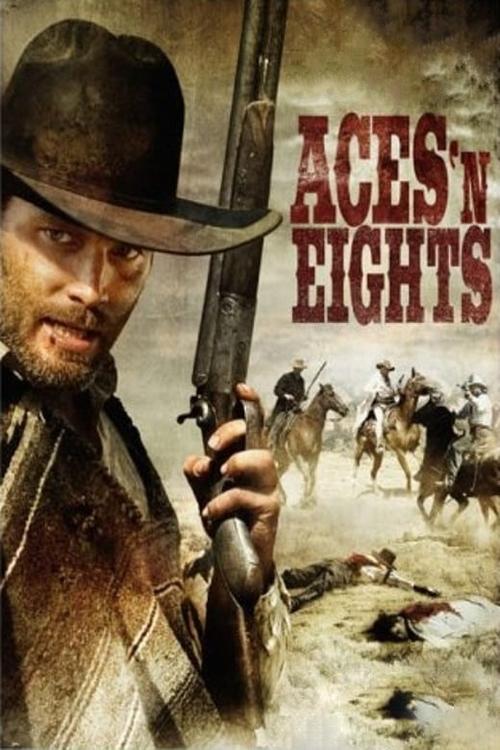
Aces 'N' Eights
2008
No user ratings available yet
Representation score: 2.1 out of 10

Representation Score
Limited
2019
RDirector
Scott Martin
Runtime
126 minutes
Average Rating
No ratings yetNew Showbiz Analysis
Big Kill operates within the conventional boundaries of the Western genre. The story relies on established clichés—the tenderfoot, the gambler, and the preacher—which typically reinforce traditionalist structures rather than challenge them. The film lacks visible evidence of characters reflecting multiple aspects of diversity or systemic critiques of power. Instead, it focuses on individualist frontier morality and archetypal characters that align with historical genre norms. Without specific details regarding diverse casting or non-traditional character arcs, the production maintains a homogeneous and traditionalist approach to its narrative structure.
Category Breakdown
The film does not include any explicit references to LGBTQ+ characters or stories that challenge traditional heterosexual relationships. The focus on misfit gamblers suggests a look at social outsiders but does not identify any specific LGBTQ+ identities.
The story centers around traditional Western archetypes such as gamblers and preachers, which tend to emphasize conventional masculinity. There is no indication of strong female characters or subversion of gender hierarchies.
The setting follows traditional Western demographics, and while the misfit theme allows for diverse casting, there is no confirmation of non-white or non-Anglo-Saxon characters.
The presence of a deadly preacher suggests a complex relationship with religious institutions. However, the film likely sticks to traditional frontier morality without exploring secularist or anti-institutional themes.
There is no mention of characters dealing with physical, neurodivergent, or mental health conditions. The narrative focuses on the central conflict between the gamblers and the preacher.
Present on Screen
Limited or Absent
Official Synopsis
A tenderfoot from Philadelphia, two misfit gamblers on the run, and a deadly preacher have a date with destiny in a boom town gone bust called Big Kill.
2008
2016
2011
2014
2009
2015
2009
2016
No reviews yet. Be the first to share your thoughts on this movie!
Use the rating form above to leave a star rating and optional review.