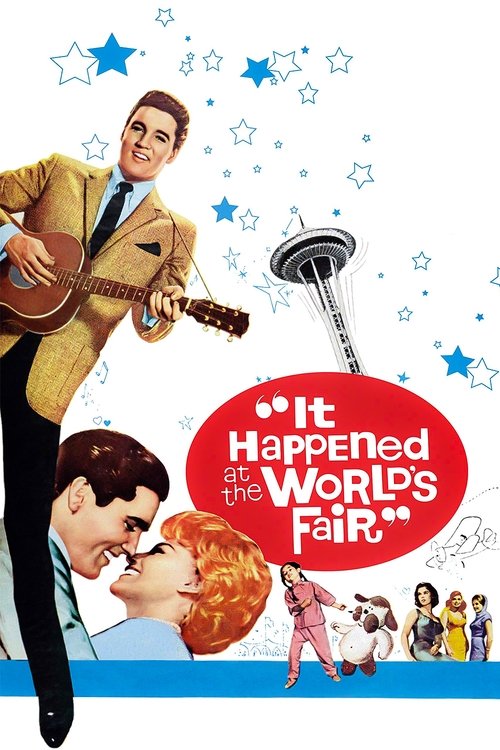
It Happened at the World's Fair
1963
No user ratings available yet
Diversity score: 1.6 out of 10

1967
NRDirector
Norman Taurog
Runtime
91 minutes
Average Rating
No ratings yetSynopsis
When singer Guy Lambert goes on tour in Europe, he is pursued by two beautiful women, bumbling jewel thieves, and a mysterious killer.
Overall Score
Limited
Category Breakdown
LGBTQ+ Representation
The film lacks any evidence of non-cisnormative identities or same-sex intimacy. It relies on conventional romantic tropes typical of 1967 studio comedies.
Gender Representation
Guy Lambert serves as the central figure in a traditional romantic structure. While women drive the plot as thieves and interests, they lack agency to subvert gender hierarchies.
Racial & Ethnic Diversity
The European setting suggests a likely homogeneous Western European cast. There is no evidence of intersectional casting or non-white representation within the narrative.
Religious & Cultural Diversity
The story focuses on individual adventure and escapist romance. It avoids critiques of Western institutions, religion, or capitalism, adhering to standard 1960s entertainment models.
Disability Representation
There is no indication of characters with visible or invisible disabilities being integrated into the story.
Strengths
Areas for Improvement
AI Analysis
Double Trouble functions as a conventional mid-century genre piece that reinforces traditional social structures. The narrative architecture centers on a male protagonist, following established romantic and crime-comedy tropes of the era. The film lacks intersectional complexity or systemic critique. It operates within a standard framework of escapist entertainment, offering little in the way of progressive representation or social subversion. Ultimately, the production reflects the standard cinematic conventions of 1967, prioritizing lighthearted musical comedy over diverse or challenging character studies.
1963
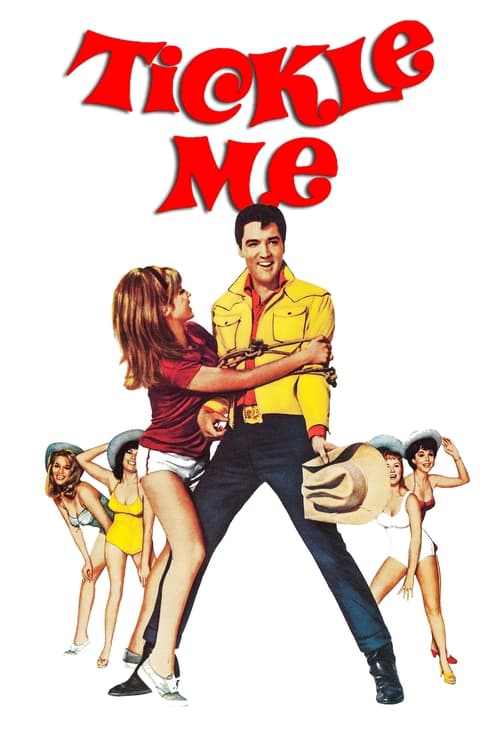
1965
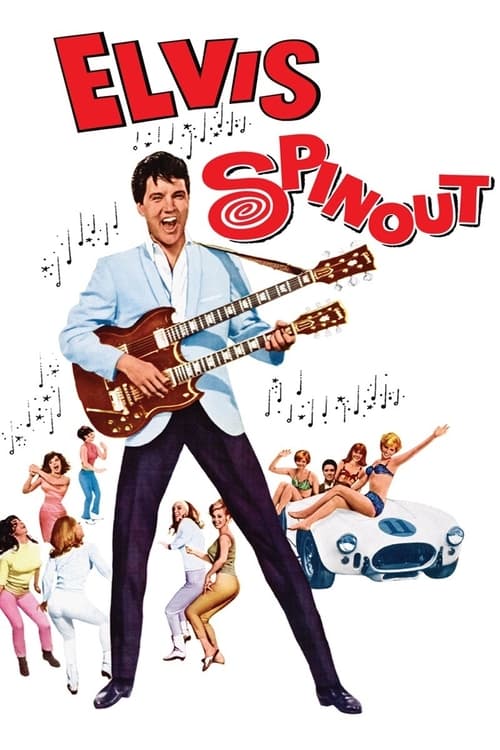
1966
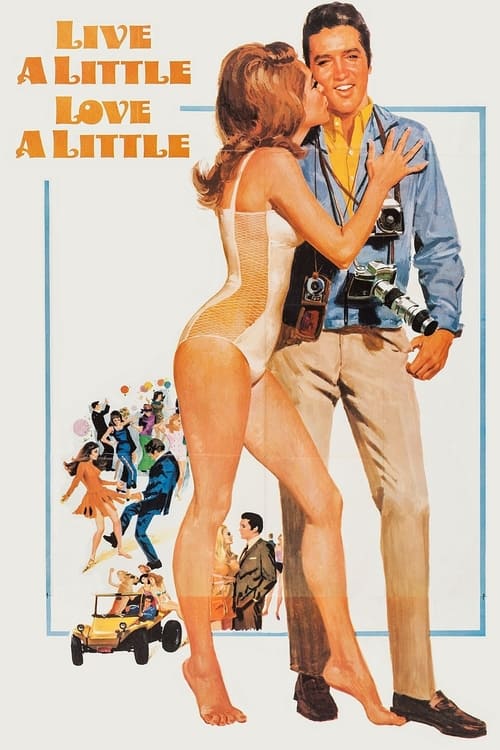
1968
1968
1962
No reviews yet. Be the first to share your thoughts on this movie!
Use the rating form above to leave a star rating and optional review.