I Am Divine
2014
No user ratings available yet
Representation score: 9.4 out of 10
Representation Score
Excellent
1994
NOT RATEDDirector
Nick Bougas
Runtime
89 minutes
Average Rating
No ratings yetNew Showbiz Analysis
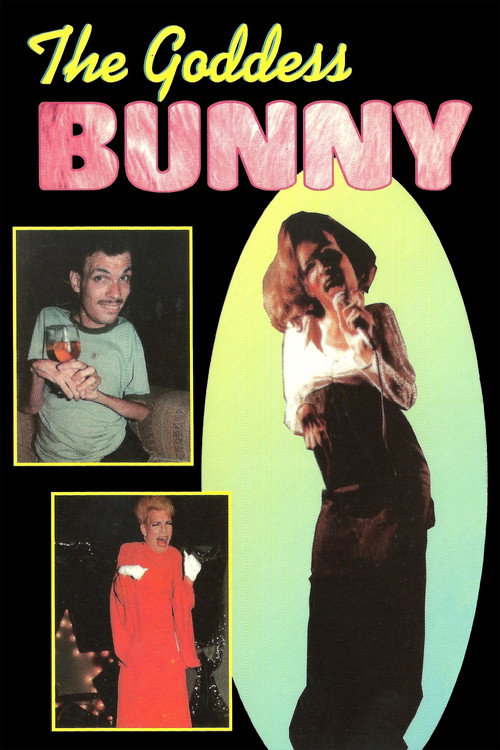
The Goddess Bunny offers a rare, unfiltered glimpse into non-traditional lifestyles. By centering a transgender narrative in 1994, the film actively challenges the assumptions of its time. It succeeds by treating identity and disability as integral parts of a person rather than mere plot devices. While the film excels in representing gender and disability, it lacks clear evidence of broad racial diversity. The focus remains on the specific biography of Sandie Crisp and her immediate community. Ultimately, the documentary serves as a powerful validation of underrepresented identities, emphasizing subjective truth and bodily autonomy over traditional social norms.
Category Breakdown
The film focuses on Sandie Crisp's experiences, providing a platform for non-traditional gender identities and the complexities of transitioning within queer communities.
It challenges traditional gender roles by presenting a protagonist outside the gender binary. The narrative emphasizes the subject's role in reclaiming selfhood and defying typical masculine and feminine expectations.
The film concentrates on a specific Los Angeles underground scene. There is insufficient evidence of a predominantly non-white cast or specific racial dynamics to support a higher score.
The documentary critiques mainstream institutions by highlighting a cult figure on the fringes of Western society. It explores bodily autonomy and the rejection of conventional social norms.
The film integrates the physical realities of polio into the subject's identity. It avoids pity or inspirational narratives, focusing instead on the authentic integration of disability and transgender identity.
Present on Screen
Limited or Absent
Official Synopsis
A tour of Los Angeles's underground art scene revolving around cult star Sandie Crisp, the Goddess Bunny, who recounts her life, gender transition, and battle with polio.
2014
2019
2011
1995
2001
1992
1996
2012
No reviews yet. Be the first to share your thoughts on this movie!
Use the rating form above to leave a star rating and optional review.