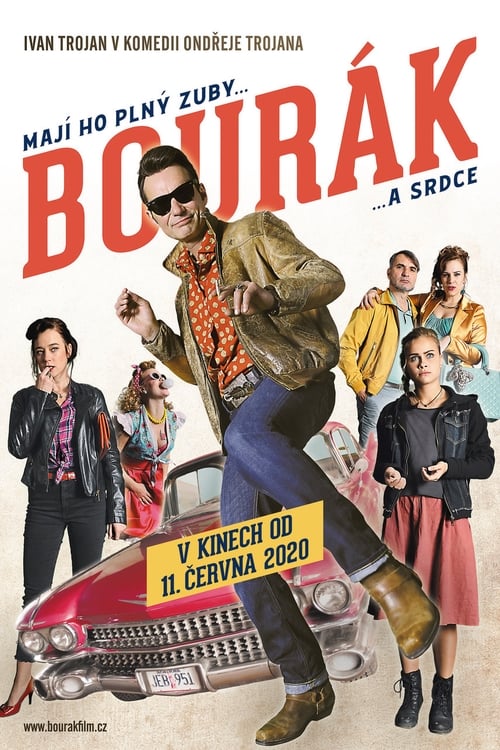
The Banger
2020
No user ratings available yet
Representation score: 2.3 out of 10
Representation Score
Limited
2019
Director
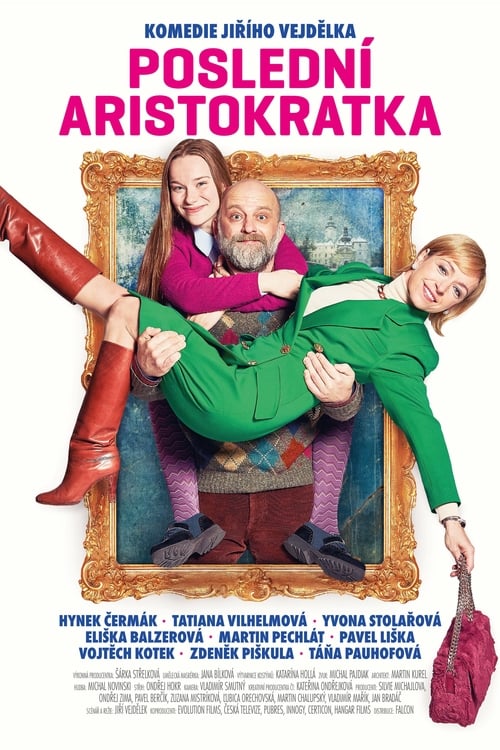
Jiří Vejdělek
Runtime
110 minutes
Average Rating
No ratings yetNew Showbiz Analysis
The Last Aristocrat operates as a localized situational comedy that prioritizes established social structures. The narrative focuses on family, inheritance, and national identity, keeping the story within traditionalist frameworks. There is a lack of complexity reflecting multiple aspects of identity. The film relies on conventional formulas, such as the comedic hypochondriac, rather than exploring diverse lived experiences. Ultimately, the film's focus on a specific European cultural homecoming and a patriarchal family structure results in a narrow demographic scope.
Category Breakdown
The film focuses on a traditional nuclear family unit. There is no mention of LGBTQ+ identities or same-sex relationships within the narrative.
Women play important roles in the household, but the plot centers on Frank's patriarchal decision-making. The conflict regarding inheritance is viewed from a male perspective.
The setting and cast appear to be predominantly European. The story focuses on a specific cultural homecoming rather than featuring a multi-ethnic cast.
The film explores the aftermath of a revolution and the decay of old-world institutions. It leans toward traditionalist values and family legacy rather than radical change.
The character Krása is portrayed as a hypochondriac for comedic effect. This seems to be a cliché rather than a meaningful exploration of disability or neurodivergence.
Present on Screen
Limited or Absent
Official Synopsis
Frank, a native New Yorker, inherits his ancestral estate, Castle Kostka, and returns to the Czech Republic with his daughter Maria and wife Vivien after over forty years abroad. They find the castle in gradual decay, inhabited only by the long-slumbering steward Josef, housekeeper Mrs. Tichá, and hypochondriac handyman Krása. As the staff slowly awakens from the post-revolutionary 1990s inertia, Frank’s family faces a difficult decision: sell the dilapidated property and return to America or undertake the challenge of restoring Castle Kostka.
2020
1996
2018

2021
2014
2024
2021
2020
No reviews yet. Be the first to share your thoughts on this movie!
Use the rating form above to leave a star rating and optional review.