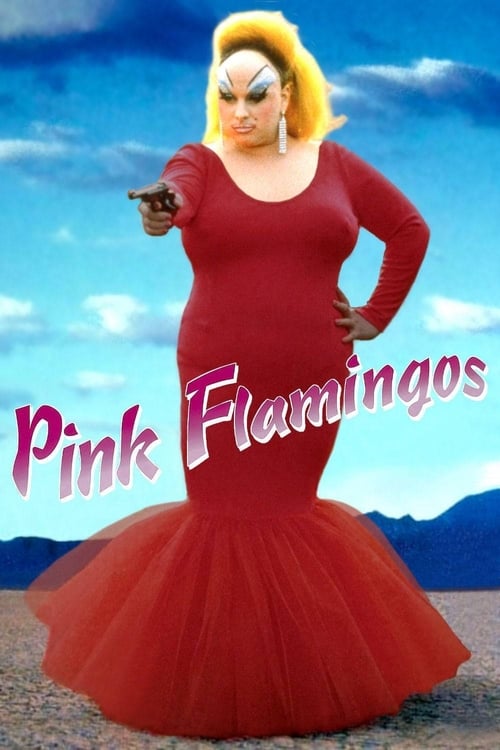
Pink Flamingos
1972
No user ratings available yet
Representation score: 9.0 out of 10
Representation Score
Excellent
1976
NC-17Director
John Waters
Runtime
98 minutes
Average Rating
No ratings yetNew Showbiz Analysis
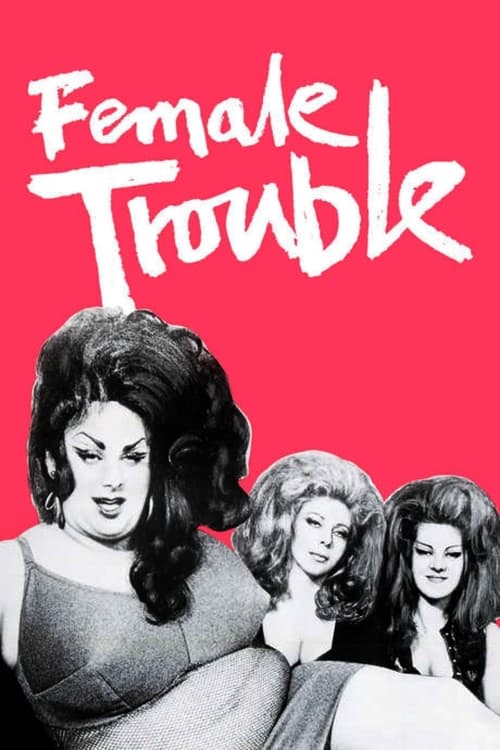
Female Trouble is a highly progressive work that critiques American consumerism and social norms. It excels by centering queer theory and deconstructing traditional gender hierarchies through its central protagonist. The film’s strength lies in its subversion of mainstream norms, empowering underrepresented identities through a lens of transgressive cinema. However, its narrow focus on class and socioeconomic issues limits broader demographic representation.
Category Breakdown
The film centers on non-traditional gender expressions and blends hyper-femininity with aggressive presentation. Divine’s performance highlights camp and drag as primary modes of identity, disrupting assumptions about gender roles.
Dawn Davenport rejects submissive or domestic roles and instead embodies extreme ability to act through volatility and violence. Her chaotic pursuit of self-actualization challenges traditional masculinity and authority figures.
While the urban setting suggests a melting pot, the film focuses more on socioeconomic class and trash aesthetics, limiting the representation of diverse racial backgrounds.
The film critiques Western institutions and the nuclear family by discarding traditional Christian morality in favor of situational absurdity. Anti-social behavior is framed as liberation from societal norms.
Grotesque aesthetics and physical eccentricities challenge able-bodied beauty standards but serve primarily comedic or stylistic purposes, lacking nuanced representation of characters with disabilities.
Present on Screen
Limited or Absent
Official Synopsis
Teenage delinquent Dawn Davenport, incensed after her parents do not give her the cha-cha heels she wanted for Christmas, runs away from home. After an illegitimate child and hairstylist husband bring her more misery, she's enticed into a life of crime when the owners of her husband's salon promise her fame and fortune.
1972
1970

1994

1982
1989
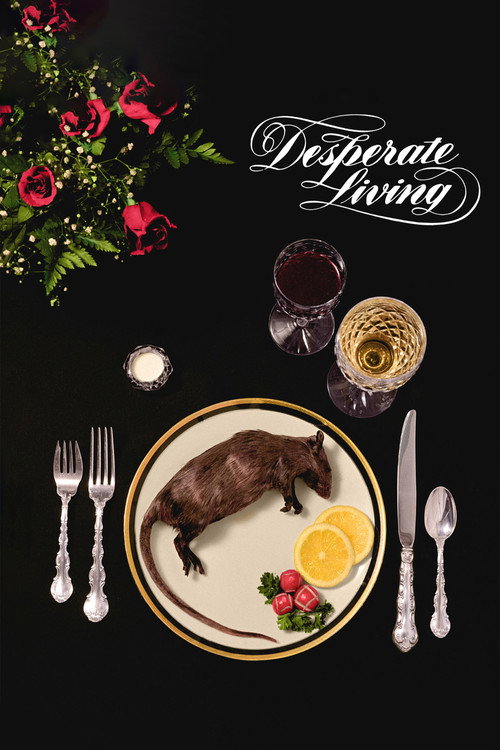
1977
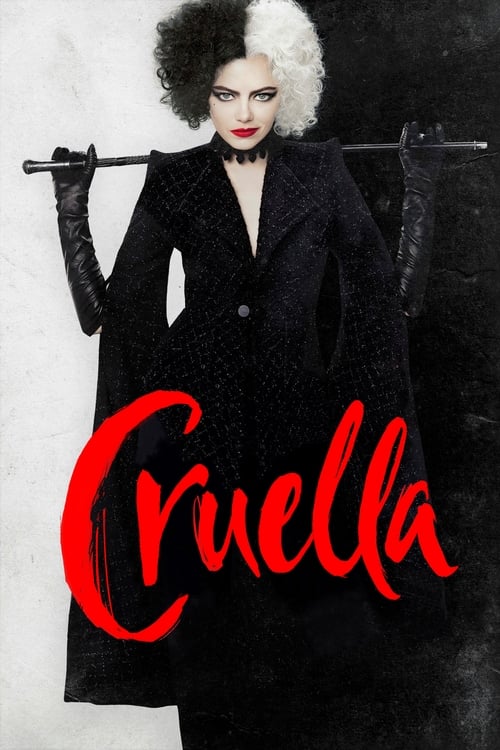
2021
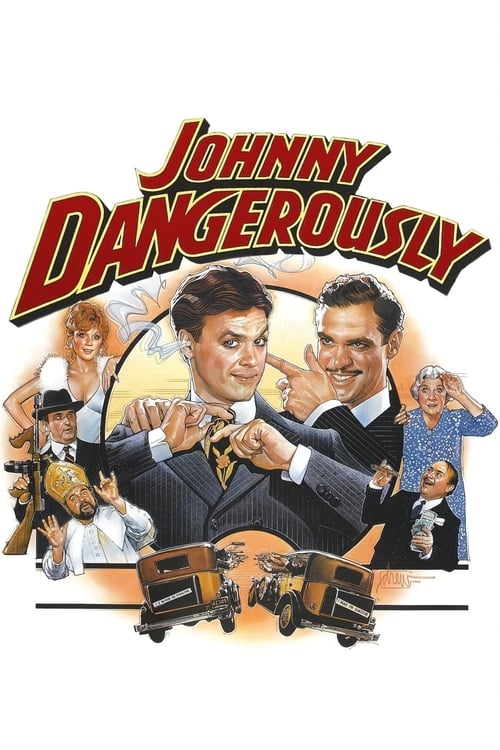
1984
No reviews yet. Be the first to share your thoughts on this movie!
Use the rating form above to leave a star rating and optional review.