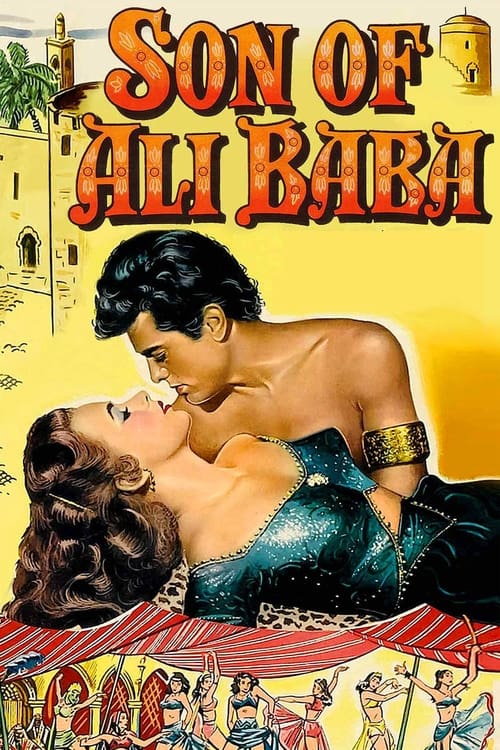
Son of Ali Baba
1952
No user ratings available yet
Representation score: 2.0 out of 10
Representation Score
Minimal
1963
Director
Senkichi Taniguchi
Runtime
96 minutes
Average Rating
No ratings yetNew Showbiz Analysis
Samurai Pirate is a traditional period adventure that closely follows established genre conventions. The narrative centers on a heroic journey to restore a divided kingdom, emphasizing physical combat and classic clichés over social critique. Representation is constrained by the film's historical era and setting. Gender roles are conventional, with women often serving as prizes, and the cast remains culturally homogeneous to fit its historical context. The film does not actively disrupt existing power structures. Ultimately, the film serves as a tale of restoration. It upholds existing social orders rather than challenging them, focusing on the conflict between individual heroism and centralized authority.
Category Breakdown
The film does not include any identifiable LGBTQ+ characters or stories. Romantic motivations revolve around traditional marriages aimed at political advantage.
Female characters mainly act as prizes or catalysts for the plot rather than independent agents. A witch figure provides supernatural power but remains a traditional antagonist.
The cast reflects the historical Japanese setting, making it culturally homogeneous. It avoids whitewashing but does not engage in diverse casting practices.
The story delves into class conflicts between the ruling elite and maritime outlaws. It follows a traditional moral framework centered on restoring central authority.
There is no significant portrayal of characters with disabilities. The narrative emphasizes physical prowess and combat skills typical of the action genre.
Present on Screen
Limited or Absent
Official Synopsis
An adventurous and daring sailor sets sail to the castle of an ailing king to stop an evil premier, hungry for power and wealth, from succeeding the throne and marrying the king's beautiful daughter. Along the way, with the help of some courageous rebels and a lustful wizard, he must overcome the powers of a bewitching witch, a band of ruthless pirates, and the castle's Imperial guards. He must also free those kidnapped into slavery and restore the king's reputation.
1952
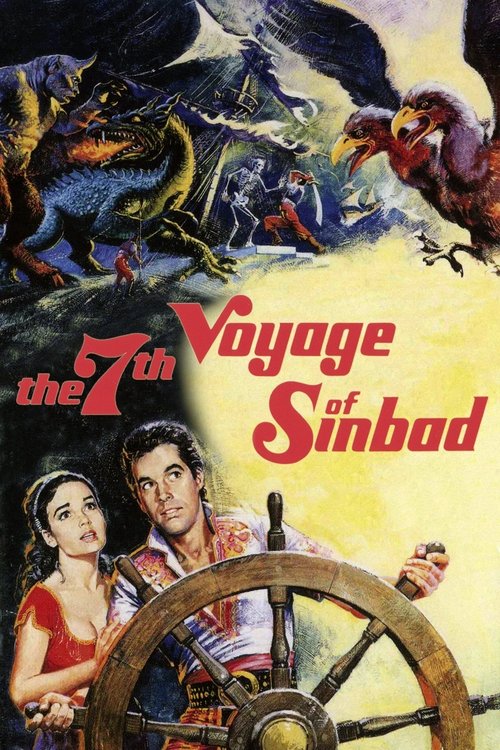
1958
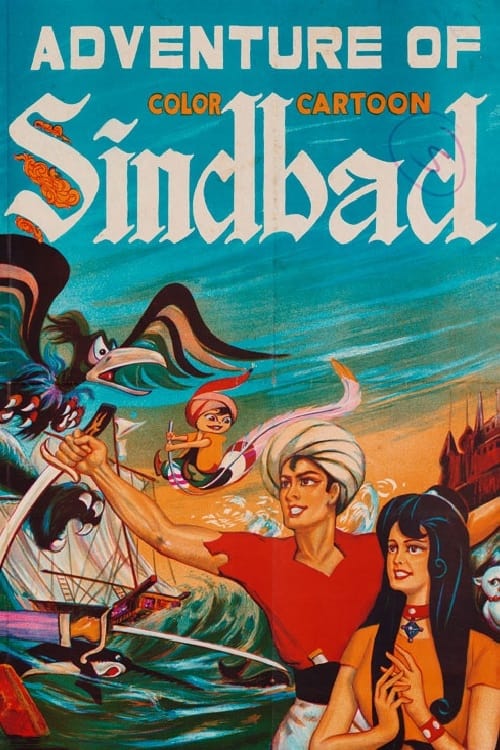
1962
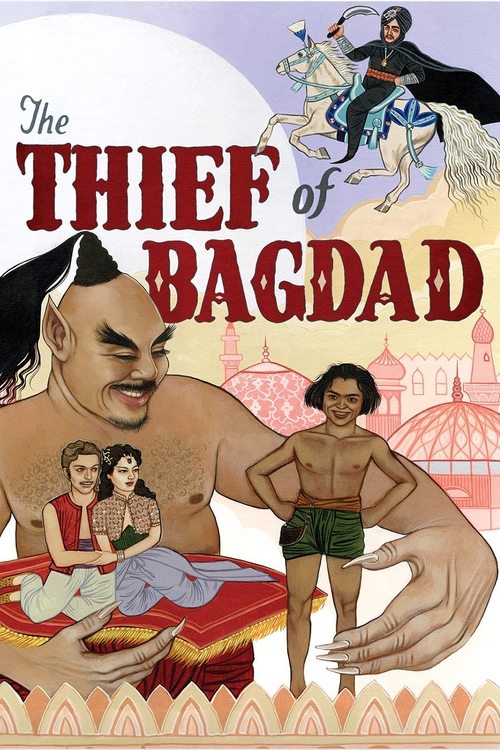
1940
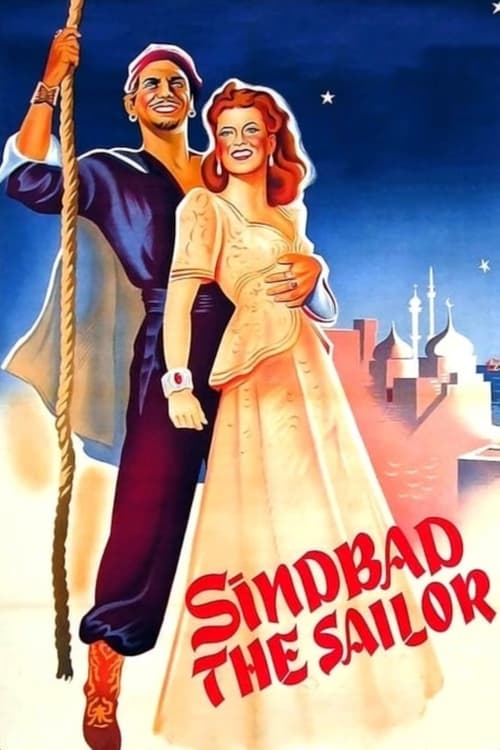
1947
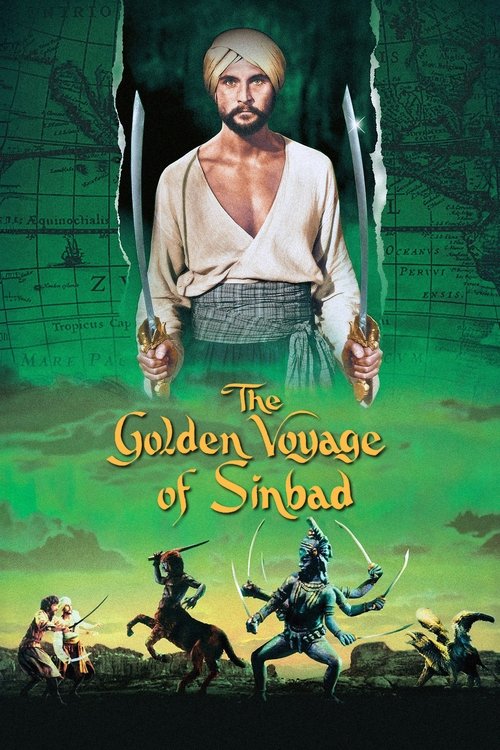
1973
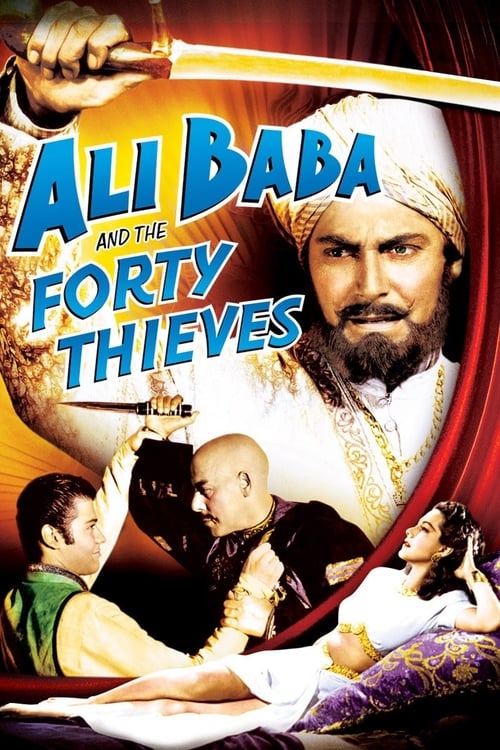
1944
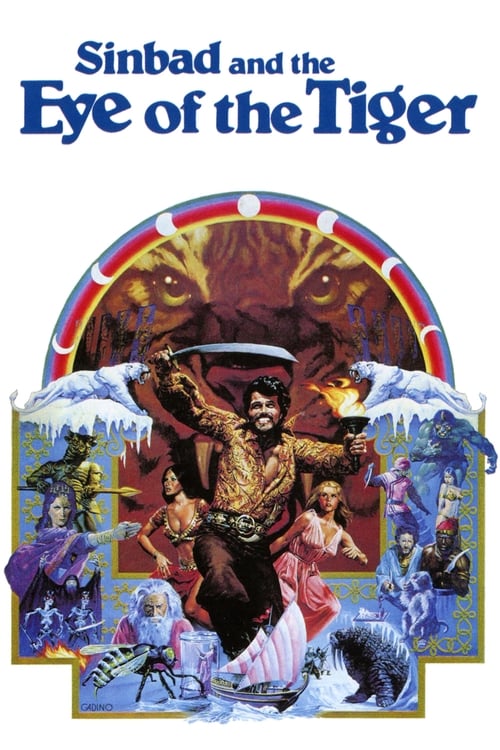
1977
No reviews yet. Be the first to share your thoughts on this movie!
Use the rating form above to leave a star rating and optional review.