The Bucks County Massacre
2010
No user ratings available yet
Representation score: 2.8 out of 10
Representation Score
Limited
2005
Not RatedDirector
Graeme Whifler
Runtime
92 minutes
Average Rating
No ratings yetNew Showbiz Analysis
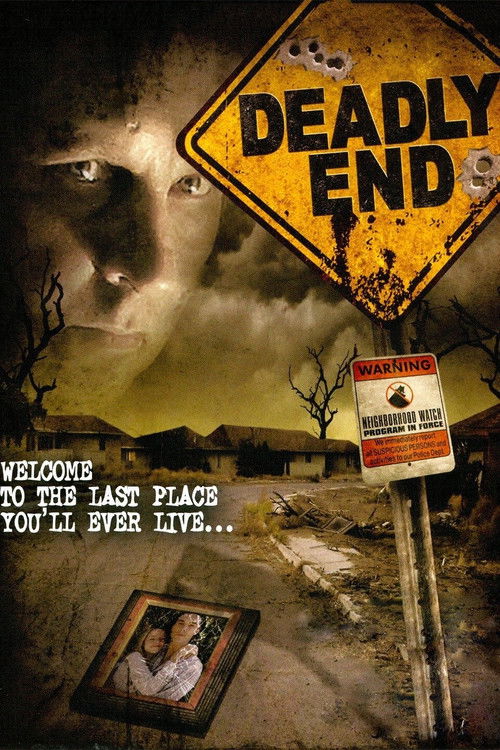
Deadly End follows a traditional mid-2000s thriller structure that prioritizes a conventional suburban aesthetic. The narrative focuses on the disruption of a stable domestic environment by an external force, reinforcing established social hierarchies rather than challenging them. The film relies on a framework that assumes everyone is straight or cisgender, centered on a nuclear family. This approach lacks depth in representing diverse racial, cultural, or LGBTQ+ identities. Ultimately, the film functions as a standard genre piece. It adheres to traditionalist formulas of the era, focusing on the protection of the status quo within a localized, homogeneous setting.
Category Breakdown
The film does not include any LGBTQ+ characters or narratives that question the assumption that everyone is straight or cisgender. The story revolves around the domestic life of Bob and Wendi Petersen.
The narrative centers on a traditional domestic unit within a suburban setting. This setup reinforces conventional gender roles and the importance of the nuclear family.
The setting suggests a homogeneous demographic typical of mid-2000s genre filmmaking. There is no indication of a non-white majority cast or diverse casting.
The plot emphasizes the preservation of suburban order against an external threat. It focuses on protecting the domestic sphere rather than offering social critiques.
There is no information regarding the inclusion of characters with visible or invisible disabilities.
Present on Screen
Limited or Absent
Official Synopsis
Nothing bad could ever happen on quiet, tree lined Wormwood Drive. At least that's what Bob and Wendi Petersen thought, before they met their new neighbor...
2010
1998
2011
2006

2013
2003

2009
2012
No reviews yet. Be the first to share your thoughts on this movie!
Use the rating form above to leave a star rating and optional review.