
Unconditional
2012
No user ratings available yet
Representation score: 1.7 out of 10
Representation Score
Minimal
2011
PG-13Director
David Evans
Runtime
101 minutes
Average Rating
No ratings yetNew Showbiz Analysis
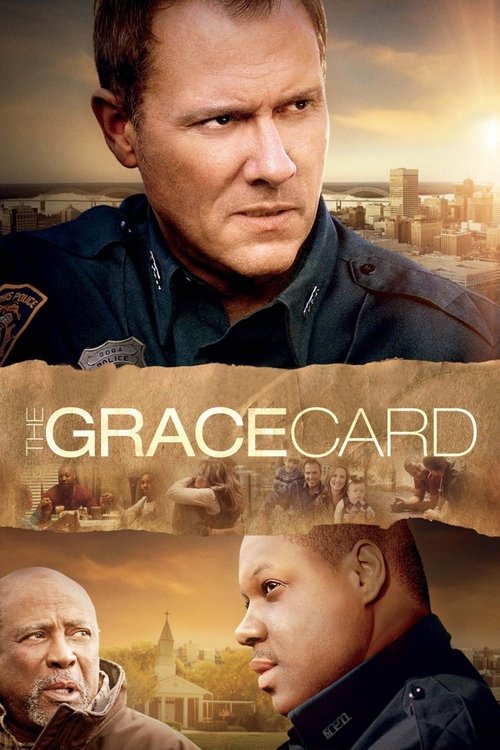
The Grace Card is a conservative narrative archetype that prioritizes the restoration of traditional interpersonal hierarchies. It utilizes a religious framework to resolve conflict, focusing on individual spiritual redemption rather than systemic critique. The film's architecture is built upon conventional moral frameworks, emphasizing the stability of the nuclear family and the authority of religious institutions. It seeks to mend existing social structures through faith-based principles rather than deconstructing them. Ultimately, the production serves to reinforce traditional Western institutions and Anglo-centric social norms, offering a worldview centered on religious devotion and emotional stoicism.
Category Breakdown
The film operates within a strictly heterosexual framework. There is no presence of LGBTQ+ identities or same-sex relationships.
The narrative reinforces traditional patriarchal structures. Conflict and resolution revolve around male-centric dynamics, such as the relationship between a father and son and a professional partnership between two men.
The casting and setting reflect a homogeneous social environment. The narrative lacks significant racial diversity, focusing on a predominantly white, small-town demographic.
The film promotes Christian morality and the sanctity of the family. It emphasizes personal faith and religious authority as the primary mechanisms for healing and social cohesion.
While the plot deals with psychological trauma, there is no specific focus on visible or invisible disabilities. Emotional struggles are framed as spiritual crises.
Present on Screen
Limited or Absent
Official Synopsis
Everything can change in an instant ... and take a lifetime to unravel. When Mac McDonald loses his son in an accident, the ensuing 17 years of bitterness and pain erodes his love for his family and leaves him angry with God ... and just about everyone else. Mac's rage stonewalls his career in the police department and makes for a combustible situation when he's partnered with Sam Wright, a rising star on the force who happens to be a part-time pastor and a loving family man. Can they somehow join forces to help one another when it's impossible for either of them to look past their differences-especially the most obvious one? Every day, we have the opportunity to rebuild relationships and heal deep wounds by extending and receiving God's grace. Offer THE GRACE CARD ... and never underestimate the power of God's love.
2012

2007

2024
2011
2011
2019
2013
2015
No reviews yet. Be the first to share your thoughts on this movie!
Use the rating form above to leave a star rating and optional review.