A Summer to Remember
1985
No user ratings available yet
Representation score: 6.2 out of 10
Representation Score
Fair
2006
Director
Keita Kono
Runtime
109 minutes
Average Rating
No ratings yetNew Showbiz Analysis
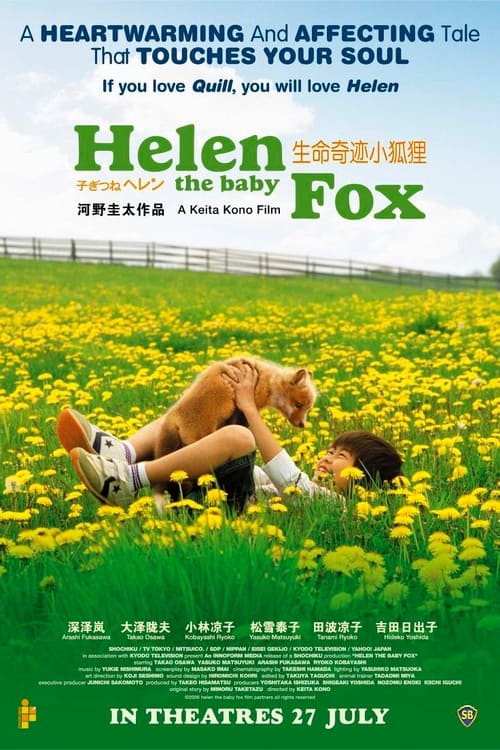
Helen the Baby Fox is a character-driven drama that explores disability through the sensory impairments of a fox cub. The film excels in its unique, non-human perspective on empathy and communication. However, the film lacks diversity in its representation. It does not engage with LGBTQ+ identities, diverse racial casts, or broader social critiques. The narrative remains focused on a localized, emotional arc rather than a wider social commentary. Ultimately, the film succeeds as a specific study of sensory limitations but falls short in providing a diverse range of characters to address broader social issues.
Category Breakdown
The film does not include any characters with LGBTQ+ identities or non-cisgender traits. The story focuses solely on the relationship between a child and an animal.
With a male lead, there is limited information about the portrayal of female characters. It is unclear whether the story challenges or upholds traditional gender roles.
The setting and character names indicate a Japanese cultural context, offering a viewpoint that operates outside typical Western-centric film narratives.
The story emphasizes a personal, non-Western connection to nature. It avoids institutional dominance by focusing on a localized cultural narrative.
The plot revolves around profound sensory impairments, such as blindness, deafness, and muteness. The film references Helen Keller to highlight the historical context of these disabilities.
Present on Screen
Limited or Absent
Official Synopsis
A young boy named Taichi Ogawara finds a fox cub on the side of the road and takes it home as a pet. He discovers it is blind, deaf, and mute. Because of this, he names it Helen, after Helen Keller.
1985

2005

2017
1962

2008

2021

2019
2005
No reviews yet. Be the first to share your thoughts on this movie!
Use the rating form above to leave a star rating and optional review.