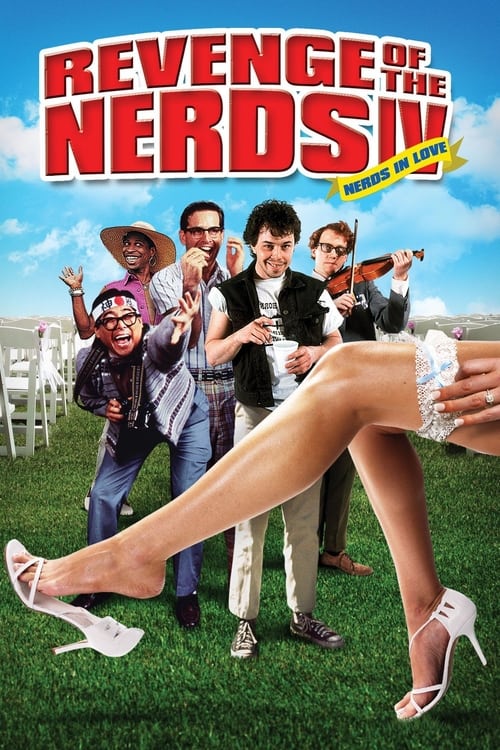
Revenge of the Nerds IV: Nerds In Love
1994
No user ratings available yet
Diversity score: 4.1 out of 10
1992
NRDirector
Roland Mesa
Runtime
93 minutes
Average Rating
No ratings yetSynopsis
The nerds are now in control of the university, as a result of Lewis Skolnick and the rest's actions in the two previous movies. A new generation of sportsmen arrive, however, determined on winning the school back. The principle, himself an ex-nerd fighter, helps them, and the nerds return to suppression. Harold Skolnick needs help from his uncle Lewis, the hero of the first two movies. Lewis, however, are not too proud of his nerd past, and won't reveal any of it, much less help his nephew. However, his wife makes him change his mind, and with help from his friends from the first two movies, they start the fight to win the school back, using classic nerd tricks.
Overall Score
Limited
Category Breakdown
LGBTQ+ Representation
The film lacks explicit mention of LGBTQ+ characters or non-heteronormative identities. The narrative focuses on the generational conflict between nerds and sportsmen, leaning toward a traditional, heteronormative comedic structure.
Gender Representation
Agency is concentrated among male protagonists like Lewis and Harold Skolnick. While Lewis's wife serves as a catalyst for his character arc, the primary conflict remains male-driven.
Racial & Ethnic Diversity
The story centers on social archetypes rather than racial or ethnic dynamics. There is no indication of a non-white majority cast or efforts to challenge historical norms through casting.
Religious & Cultural Diversity
The plot follows a traditional underdog arc focused on reclaiming social control. It relies on established genre tropes rather than critiquing Western institutions or radicalizing power dynamics.
Disability Representation
There is no information regarding the inclusion of characters with physical, neurodivergent, or mental health disabilities.
Strengths
Areas for Improvement
AI Analysis
The film operates within the conventional social hierarchies of early 1990s ensemble comedies. It prioritizes the archetypal struggle between 'nerds' and 'sportsmen' over intersectional identity or progressive narrative disruption. While the plot involves a shift in institutional control, the agency remains largely within a traditional demographic. The narrative structure follows a predictable underdog trajectory rather than subverting systemic norms. Ultimately, the film lacks visible markers of diverse representation, focusing instead on established social tropes and a male-centric conflict.
1994

2012
2018

2023
1990
1979
2001
2012
2013
2009
2005
2019
No reviews yet. Be the first to share your thoughts on this movie!
Use the rating form above to leave a star rating and optional review.