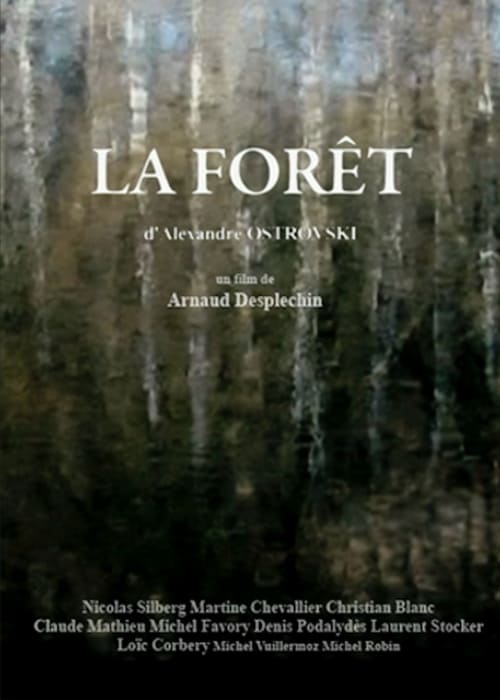
The Forest
2014
No user ratings available yet
Diversity score: 4.3 out of 10
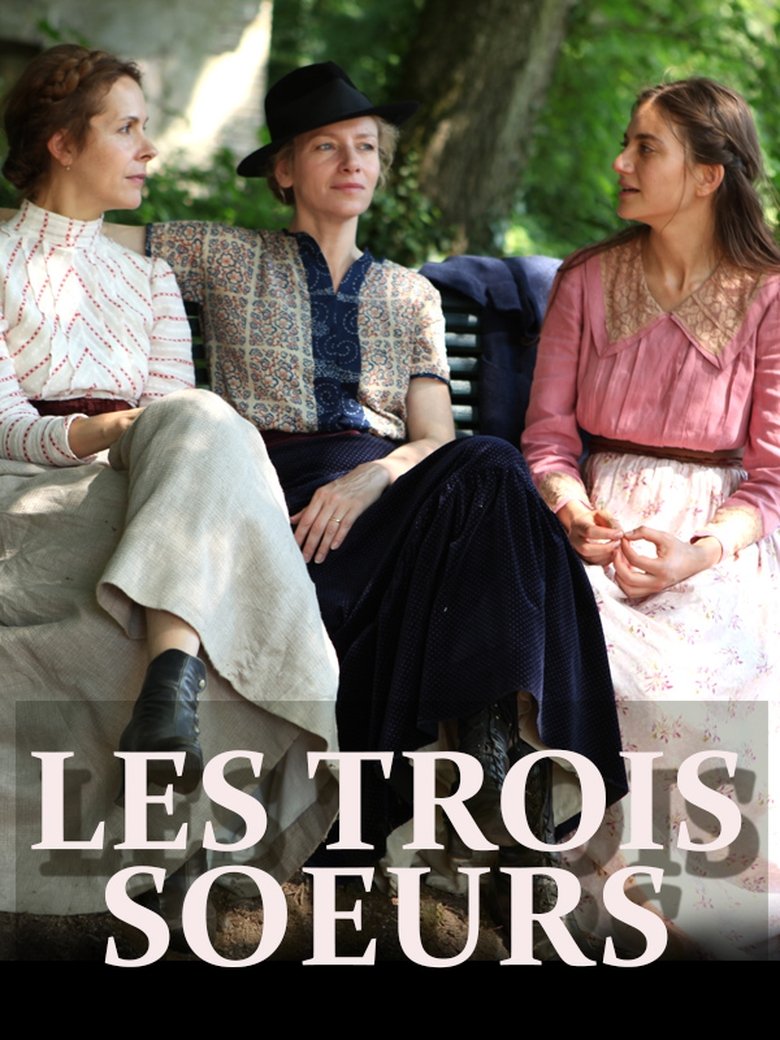
2015
Director
Valeria Bruni Tedeschi
Runtime
110 minutes
Average Rating
No ratings yetSynopsis
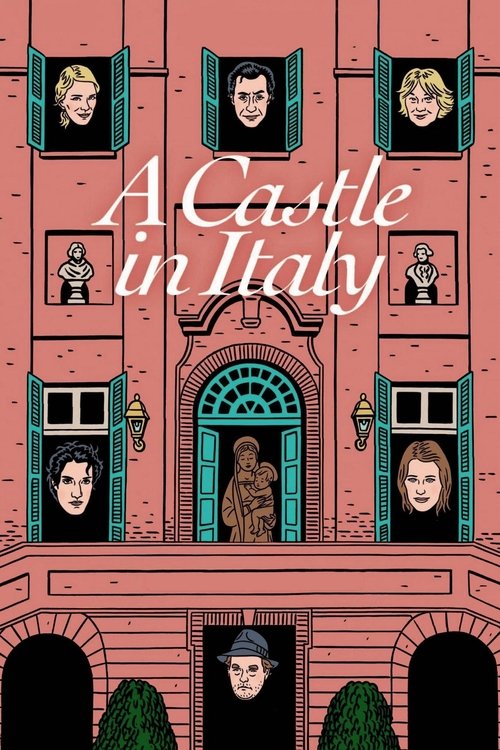
For her latest project, commissioned by Arte and starring members of the Comédie-Française, Valeria Bruni Tedeschi (A Castle in Italy, Rendez-Vous 2014) shot an idiosyncratic, half-modernized adaptation of one of Chekhov’s greatest, most expansively melancholy plays.
Overall Score
Fair
Category Breakdown
LGBTQ+ Representation
The film lacks explicit depictions of non-cisnormative identities or same-sex intimacy. Queer identity is not utilized as a central thematic pillar or a primary driver of the plot.
Gender Representation
The narrative subverts traditional hierarchies by centering almost exclusively on the female experience. Agency is concentrated within a female-centric cast, shifting focus away from patriarchal structures.
Racial & Ethnic Diversity
The production maintains a predominantly white, European demographic. There is no evidence of color-blind casting or the inclusion of non-Anglo-Saxon characters within the French villa setting.
Religious & Cultural Diversity
The film deconstructs traditional Western familial cohesion by highlighting dysfunction and grief. It prioritizes individual emotional truths over traditional social expectations and moral guidance.
Disability Representation
The film offers a nuanced depiction of mental health struggles and psychological fragility. These states are integrated into the protagonists' core identities rather than used as mere plot devices.
Strengths
Areas for Improvement
AI Analysis
Valeria Bruni Tedeschi’s adaptation of Chekhov succeeds in subverting gendered narrative hierarchies by placing female vulnerability and agency at the forefront. The film moves away from patriarchal structures to explore the internal lives of women. However, the production is limited by a lack of racial and LGBTQ+ diversity. The cast remains predominantly white and European, and the story lacks explicit queer identities or non-cisnormative representations. Ultimately, the film's strength lies in its psychological depth and its refusal to treat mental health as a caricature, though it remains anchored in a very specific, traditional demographic.
2014
2011
2020
2021

2022
2016
2018
2016
2013
2018
No reviews yet. Be the first to share your thoughts on this movie!
Use the rating form above to leave a star rating and optional review.