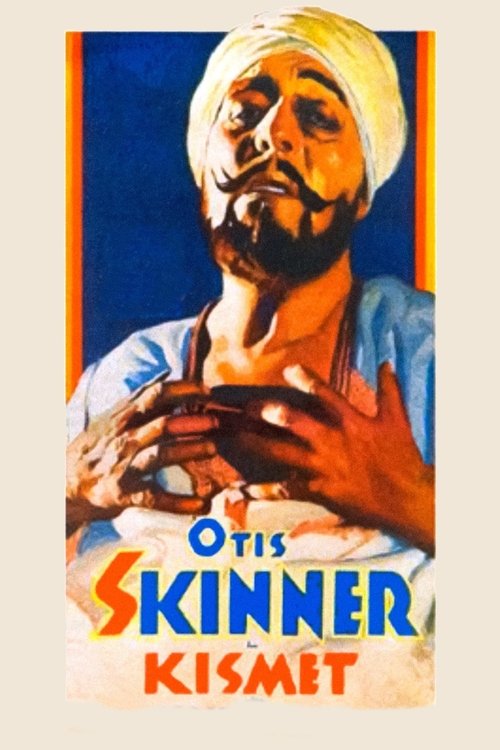
Kismet
1930
No user ratings available yet
Representation score: 1.0 out of 10
Representation Score
Minimal
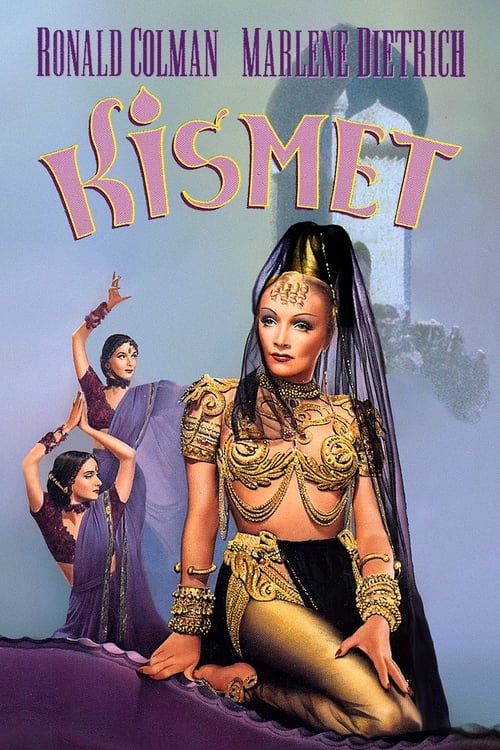
1944
ApprovedDirector
William Dieterle
Runtime
103 minutes
Average Rating
No ratings yetNew Showbiz Analysis
Kismet exemplifies mid-century Hollywood escapism with a stylized, romantic aesthetic set in a fictional Baghdad. The film prioritizes visual appeal over authentic cultural depth. It adheres to the strict social norms and narrative structures of the 1940s, reinforcing traditional gender roles and relying on Western-centric casting. This approach prevents a genuine exploration of the Middle Eastern context. Ultimately, Kismet serves as a decorative fantasy, avoiding challenges to established social norms and instead using a mythicized backdrop for a conventional romantic musical comedy.
Category Breakdown
The film does not include any visible LGBTQ+ characters or explore non-straight relationships. All romantic storylines are centered around heterosexual couples.
Gender roles follow traditional patterns. Female characters have charm but their influence is mainly tied to romantic relationships rather than independent actions.
The film uses Orientalist stereotypes and Western interpretations of Middle Eastern culture. Most actors are white, playing characters in an Eastern setting.
The movie creates a mythical version of the East to support a typical Hollywood romance. It emphasizes escapism over nuanced cultural or religious themes.
The film does not address disability or neurodivergence. Characters are portrayed as idealized romantic figures without diverse physical or mental traits.
Present on Screen
Limited or Absent
Official Synopsis
In ancient Baghdad, penniless beggar Hafiz dotes on his beautiful daughter, Marsinah, at home and adopts the dashing and wealthy persona of the Prince of Hassir on the streets. While wooing the glamorous Lady Jamilla, wife of the Grand Vizier, Hafiz accidentally ignites a battle between the treacherous Vizier and the rakish Caliph for his daughter's hand in marriage, in the process exposing each man's secrets.
1930

1924
1952

1940
1955

1952
1944
1959
No reviews yet. Be the first to share your thoughts on this movie!
Use the rating form above to leave a star rating and optional review.