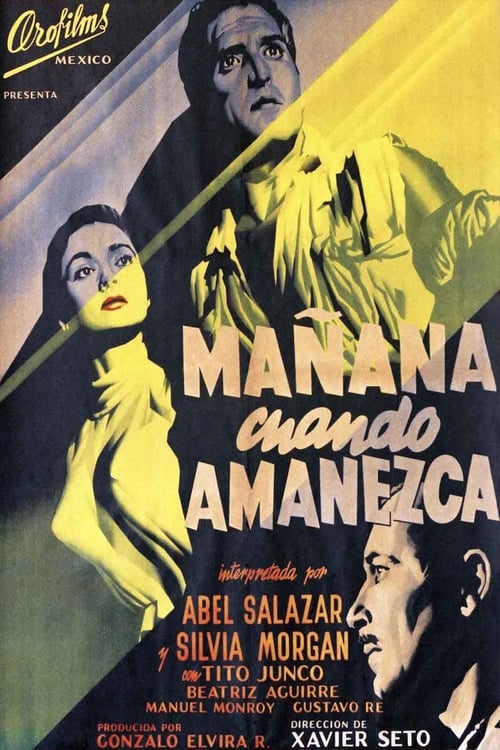
Mañana cuando amanezca
1955
No user ratings available yet
Representation score: 1.4 out of 10
Representation Score
Good
1948
Director
Alejandro Galindo
Runtime
78 minutes
Average Rating
No ratings yetNew Showbiz Analysis
Alejandro Galindo’s remake of *Five Came Back* serves as a significant cultural artifact by transplanting a Western genre cliché into a Mexican cinematic framework. By moving the setting from Hollywood to Mexico, the film disrupts the traditional Western monopoly on the survival ensemble genre. The narrative structure uses a high-stakes, closed-room environment to force a collision between disparate class, gender, and cultural identities. This setting provides a platform for exploring the overlapping aspects of identity that were central to the Mexican Golden Age.
Category Breakdown
The film reflects the limited visibility typical of 1948 cinema. While the ensemble setting allows for non-traditional interpersonal dynamics, there is no explicit evidence of queer identity.
The survivalist premise offers a chance to disrupt traditional hierarchies. Female characters may demonstrate resilience and intellect that bypass conventional domestic roles during the crisis.
As a Mexican Golden Age production, the film centers a non-Anglo-Saxon cast. It recontextualizes racial and class dynamics by presenting a spectrum of Latin American identities.
The diverse group of passengers suggests a move toward moral relativism. The narrative likely critiques social cohesion and the rigid class structures of mid-century Latin American society.
Physical or psychological stressors are likely used as plot catalysts rather than explored through ability to act. There is no evidence of a progressive approach to neurodivergence or illness.
Present on Screen
Limited or Absent
Official Synopsis
A small disparate group of people board a multi-day, multi-stop flight from Mexico City to Buenos Aires. A remake of the film Five Came Back (1939) directed by John Farrow.
1955
1939
1981
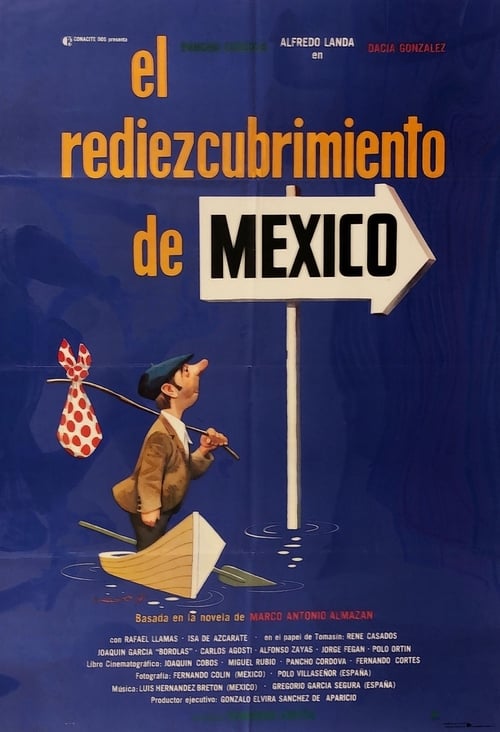
1979
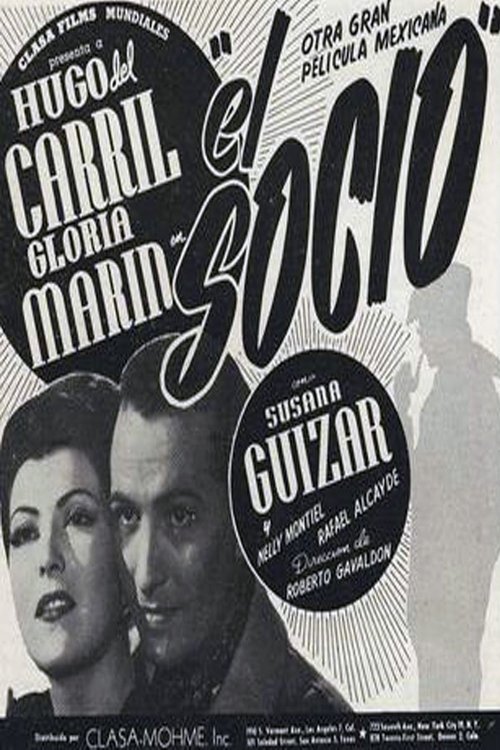
1946
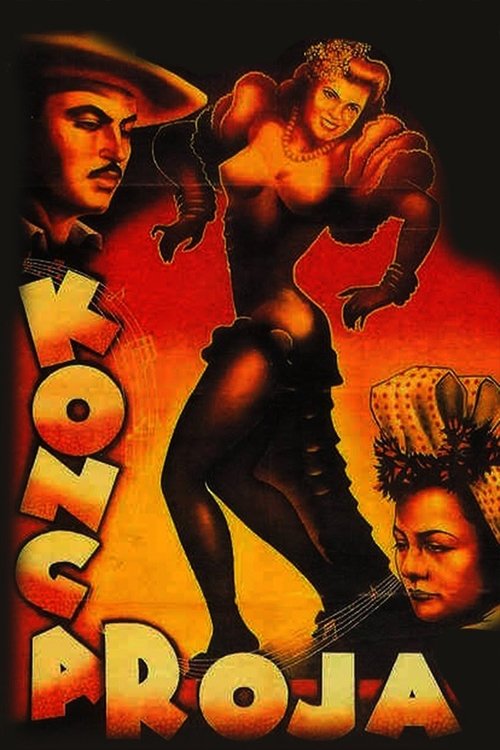
1943

1947
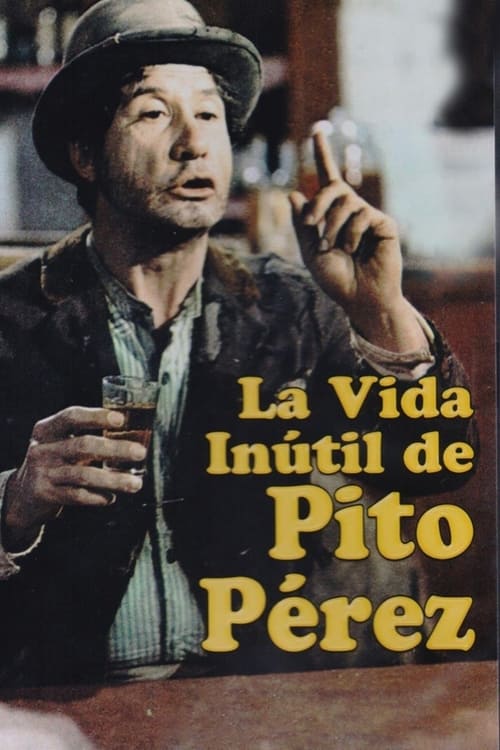
1970
No reviews yet. Be the first to share your thoughts on this movie!
Use the rating form above to leave a star rating and optional review.