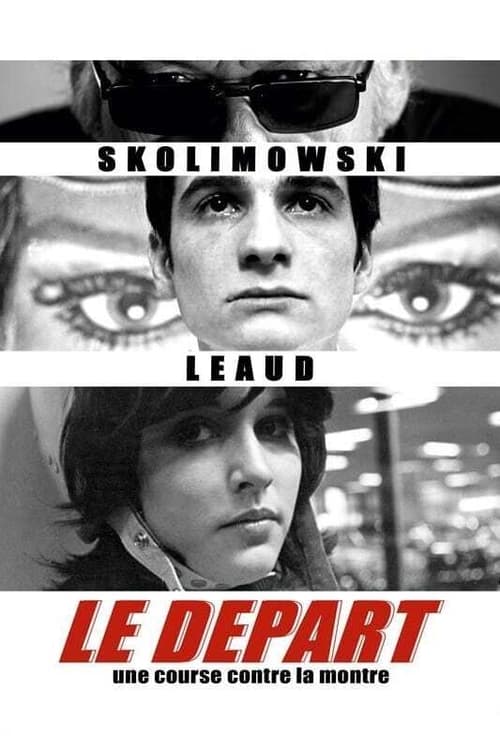
The Departure
1967
No user ratings available yet
Representation score: 3.1 out of 10

Representation Score
Fair
2000
Director
Clara Law
Runtime
119 minutes
Average Rating
No ratings yetNew Showbiz Analysis
The Goddess of 1967 is a culturally rich drama that excels in its authentic portrayal of Hong Kong identity and its nuanced exploration of women's ability to drive the story. By centering a woman navigating systemic socioeconomic pressures, the film challenges patriarchal structures and traditional moral binaries. While the film provides a deep critique of class and capitalism, it lacks representation for LGBTQ+ identities and disability. The narrative focus remains strictly within a straight-centered and able-bodied framework. Ultimately, the film's strength lies in its refusal to adopt a Western-centric moral lens, instead offering a localized and complex study of survival and resilience.
Category Breakdown
The film doesn't focus on LGBTQ+ identities or same-sex relationships. It centers on survival within a traditional social framework without any queer themes.
The film offers a sophisticated look at women's roles by centering a woman navigating the sex industry. It challenges traditional gender stereotypes, portraying the protagonist as a resilient driver of her own survival.
With a predominantly Chinese cast, the film provides an authentic portrayal of a non-Western landscape. It avoids Anglo-centric perspectives to offer a culturally specific exploration of identity.
The narrative critiques capitalist pressures through the lens of moral relativism. It prioritizes the lived experiences of the underrepresented over traditional Western or conservative moral ideals.
There is no significant or central depiction of physical or neurodivergent disability that drives the narrative arc.
Present on Screen
Limited or Absent
Official Synopsis
A rich, young businessman travels to Australia with the intention of buying a 1967 Citroën DS. Once he arrives, things do not go to plan, and he must drive the DS into the outback alongside a blind young woman in order to track down its seller.
1967

1965

1994
1971

2000

1980

2018

1992
No reviews yet. Be the first to share your thoughts on this movie!
Use the rating form above to leave a star rating and optional review.