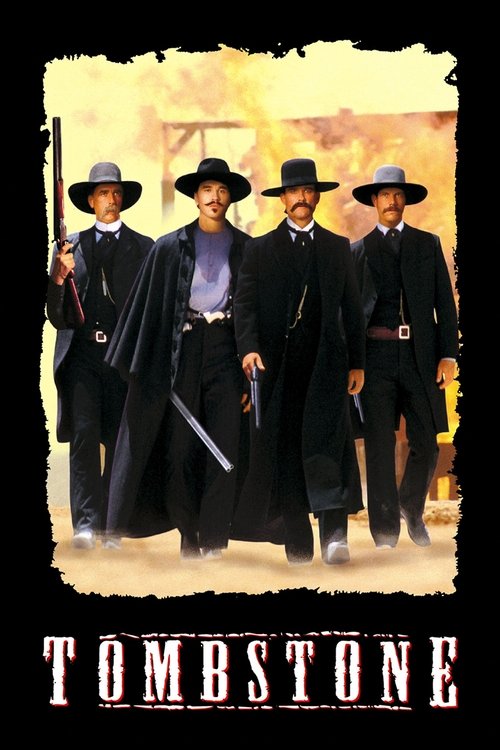
Tombstone
1993
No user ratings available yet
Representation score: 1.8 out of 10
Representation Score
Minimal
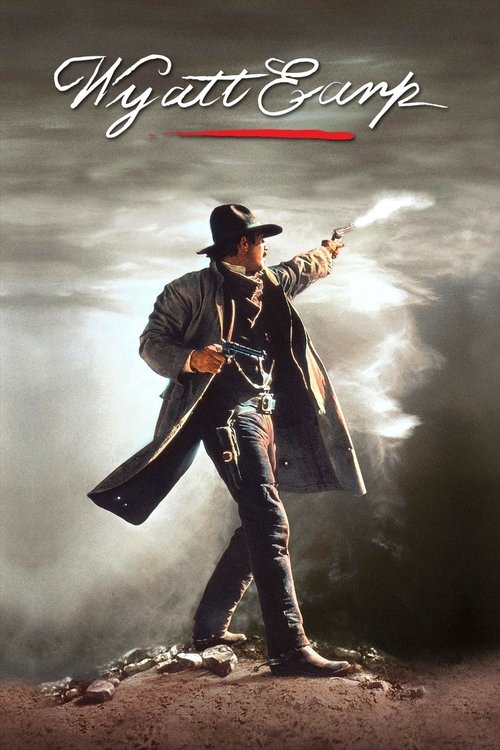
1994
PG-13Director
Lawrence Kasdan
Runtime
191 minutes
Average Rating
No ratings yetNew Showbiz Analysis
Wyatt Earp is a classical biographical epic that prioritizes historical realism and masculine heroism. The film adheres to traditional Western clichés, focusing on the roles of lawmen and outlaws within a period-specific social hierarchy. While the film avoids representing diverse identities, it offers a nuanced look at the corruption of frontier institutions. It questions the line between legitimate law enforcement and vigilantism. Ultimately, the film remains rooted in conventional storytelling, reflecting the power structures of the 19th-century frontier, centered on a predominantly white, male-driven narrative arc.
Category Breakdown
The film follows a strictly heterosexual structure, focusing on traditional romantic bonds and lacking any depiction of queer identities or subtext.
The story centers on masculine archetypes and male-driven action. While Mattie Earp provides emotional weight, she primarily functions as a supportive domestic partner.
The central cast is predominantly Anglo-Saxon. However, the inclusion of Mexican-American and Native American characters acknowledges the ethnic complexity of the American West.
The narrative explores the tension between institutional authority and personal retribution. It examines political corruption through the lens of individual struggle and moral ambiguity.
There are no prominent depictions of visible or invisible disabilities. No characters utilize disability as a driver for plot or development.
Present on Screen
Limited or Absent
Official Synopsis
From Wichita to Dodge City, to the O.K. Corral in Tombstone, Wyatt Earp is taught that nothing matters more than family and the law. Joined by his brothers and Doc Holliday, Earp wages war on the dreaded Clanton and McLaury gangs.
1993
1946
2003
1975
1988
1972
2019
1970
No reviews yet. Be the first to share your thoughts on this movie!
Use the rating form above to leave a star rating and optional review.