The Magnificent Seven
2016
No user ratings available yet
Representation score: 2.7 out of 10
Representation Score
Limited
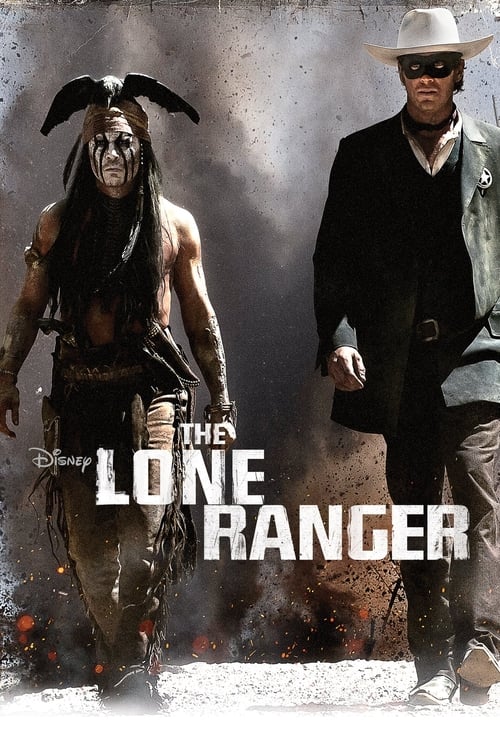
2013
PG-13Director
Gore Verbinski
Runtime
149 minutes
Average Rating
No ratings yetNew Showbiz Analysis
The Lone Ranger attempts to break down traditional Western myths by introducing moral complexity. Despite this, it falls short in advancing gender and LGBTQ+ representation. Instead, it focuses on critiquing the corrupting influence of unchecked capitalism and industrial growth. While the film includes a diverse cast, particularly with the character of Tonto, it often relies on familiar archetypes rather than a deeper exploration of Native American identity. This effort at inclusion is not fully realized due to its adherence to conventional genre structures.
Category Breakdown
The film does not include any LGBTQ+ characters or situations involving non-straight relationships. It assumes everyone is straight and cisgender.
The story focuses on male characters John Reid and Tonto, while female characters like Abigail Jones play supporting roles without driving the plot.
Tonto's presence highlights Native American identity, challenging the traditionally white cast of Western films. However, his character stays within well-known genre stereotypes.
The film criticizes the corrupt practices of railroad tycoon Latham Sandbrook, questioning the idea that Western progress is always positive.
There is no significant portrayal of physical, sensory, or neurodivergent disabilities among the main characters or storylines.
Present on Screen
Limited or Absent
Official Synopsis
The Texas Rangers chase down a gang of outlaws led by Butch Cavendish, but the gang ambushes the Rangers, seemingly killing them all. One survivor is found, however, by an American Indian named Tonto, who nurses him back to health. The Ranger, donning a mask and riding a white stallion named Silver, teams up with Tonto to bring the unscrupulous gang and others of that ilk to justice.
2016
1961
2011
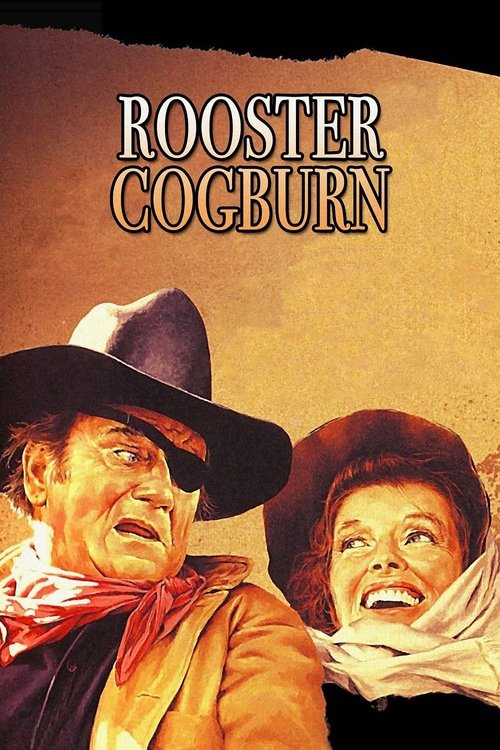
1975
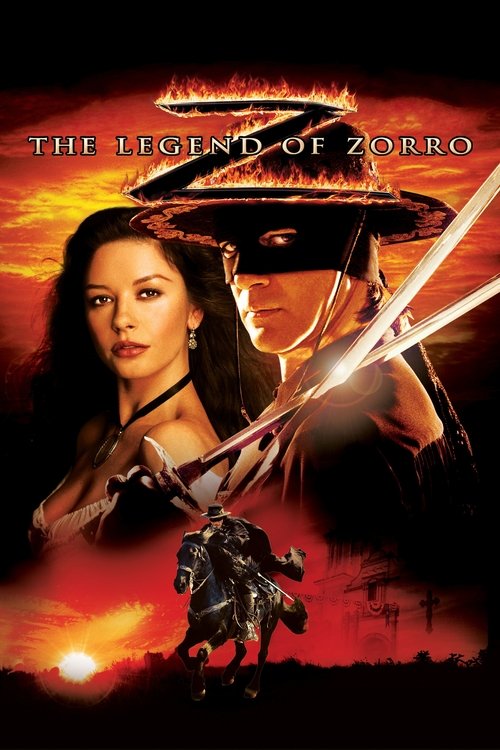
2005
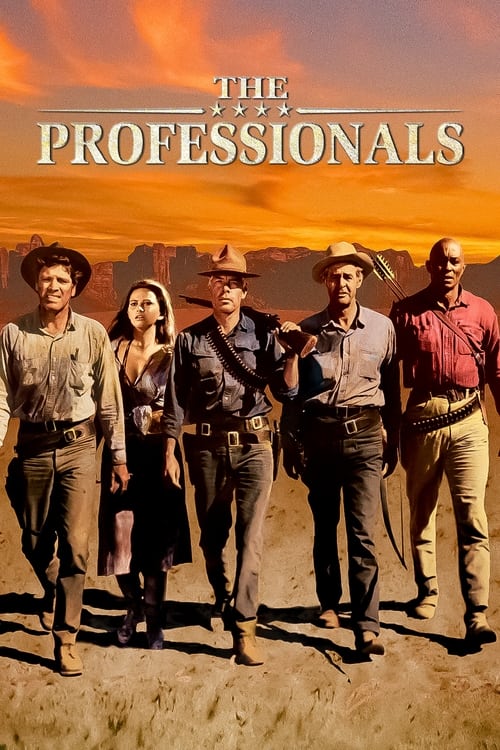
1966
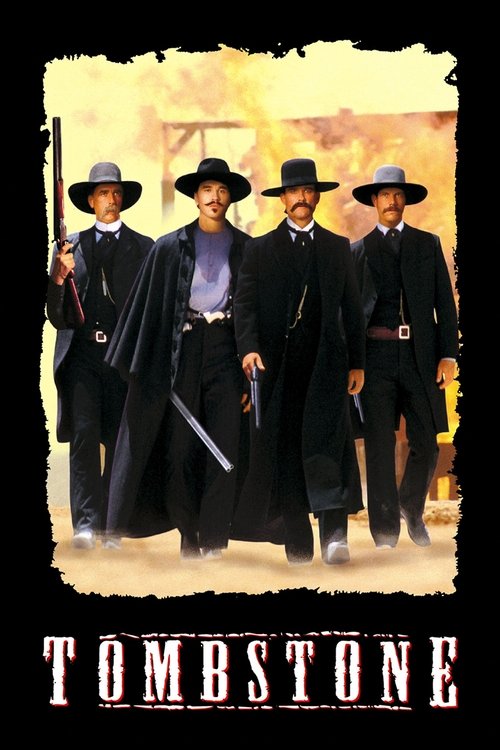
1993
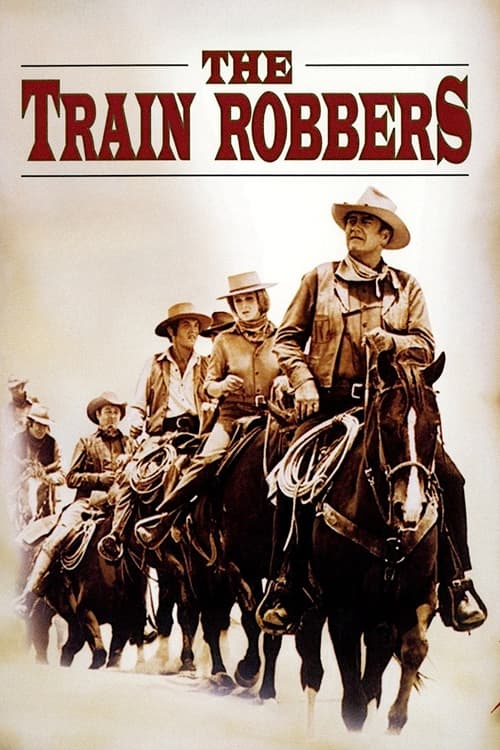
1973
No reviews yet. Be the first to share your thoughts on this movie!
Use the rating form above to leave a star rating and optional review.