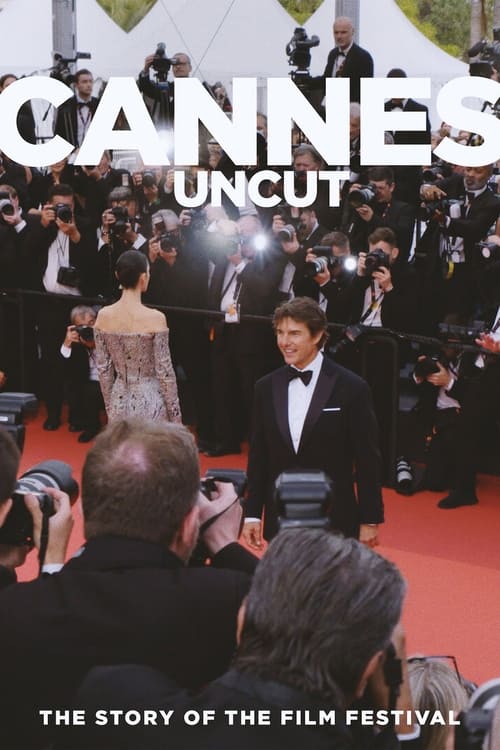
Cannes Uncut
2023
No user ratings available yet
Representation score: 6.3 out of 10
Representation Score
Fair
2015
Director
Alexis Veller
Runtime
80 minutes
Average Rating
No ratings yetNew Showbiz Analysis
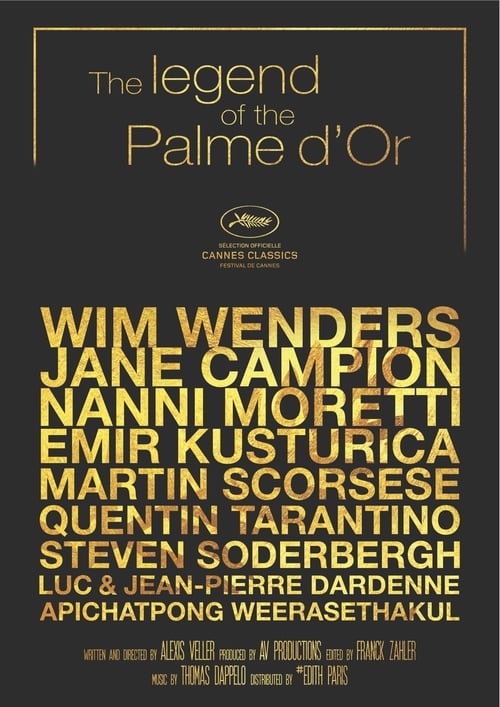
The documentary provides a moderate level of representation by documenting a globally diverse group of filmmakers. By highlighting recipients from different geopolitical backgrounds, the film disrupts the idea of a monolithic cinematic history. While the film succeeds in showcasing international perspectives, it does not appear to be explicitly designed to deconstruct systemic hierarchies. The focus remains largely on the prestige of the Cannes Film Festival rather than identity-driven storytelling. Ultimately, the film serves as a celebration of high art that naturally engages with a wide array of cultural traditions and global voices.
Category Breakdown
The film includes diverse filmmakers like Jane Campion but lacks explicit queer narratives or direct critiques of the assumption that everyone is straight. There are no specific discussions about heteronormativity within the testimonials.
Jane Campion's inclusion suggests a degree of gender-inclusive storytelling. However, the documentary focuses more on award prestige than on directly challenging gendered power dynamics.
The film highlights filmmakers from various geopolitical backgrounds, moving away from a purely Anglo-centric view of cinematic excellence.
The film celebrates international cinema and various cultural traditions. By focusing on a global institution, it presents a pluralistic view of cultural achievement through its diverse roster.
There is no mention of subjects with visible or invisible disabilities. It remains unclear if neurodivergence or physical disabilities are addressed in the personal stories.
Present on Screen
Limited or Absent
Official Synopsis
From Martin Scorsese to Jane Campion, from Emir Kusturica to Quentin Tarantino, some of the greatest recipients of this trophy recall special moments relating to the award ceremony which closes the Cannes Film Festival. This film brings to light moving and personal stories, as surprising as they are varied, which all contribute to further enhancing the legend of the Palme d’Or.
2023
2008
2021
2016

2016
1995

2009

2004
No reviews yet. Be the first to share your thoughts on this movie!
Use the rating form above to leave a star rating and optional review.