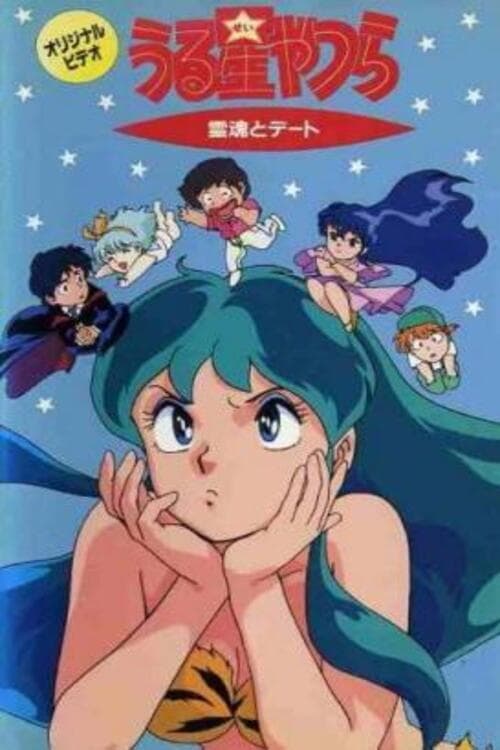
Urusei Yatsura: Date with a Spirit
1991
No user ratings available yet
Representation score: 5.2 out of 10
Representation Score
Good
1993
TV-MADirector
Kenichi Yatagai
Runtime
44 minutes
Average Rating
No ratings yetNew Showbiz Analysis
The film uses its science-fiction framework to introduce a diverse cast of non-human entities, providing a metaphor for racial and ethnic diversity. However, the narrative is heavily influenced by the comedic clichés of the early 1990s, particularly a male-centric harem dynamic. While the female characters exhibit a significant role in driving the story and disrupt traditional gender hierarchies, the film does not engage with systemic identity politics or complex multi-layered themes.
Category Breakdown
The story focuses on a romantic rivalry between two women competing for a male lead. There are no explicit representations of LGBTQ+ identities or same-sex intimacy.
Female characters play a central role in driving the plot through their assertiveness and intellectual pursuits. Despite using a harem structure, the female leads challenge traditional gender roles through their chaotic and competitive interactions.
The science-fiction setting includes various alien species that serve as a metaphor for racial and ethnic diversity. These extraterrestrial beings help challenge a homogeneous human norm.
The film emphasizes science-fantasy and magical elements rather than organized religion. It focuses on interpersonal humor and avoids systemic critiques of cultural values.
There are no characters with visible or invisible disabilities portrayed in the film. The narrative focuses solely on the comedic interpersonal dynamics of the main cast.
Present on Screen
Limited or Absent
Official Synopsis
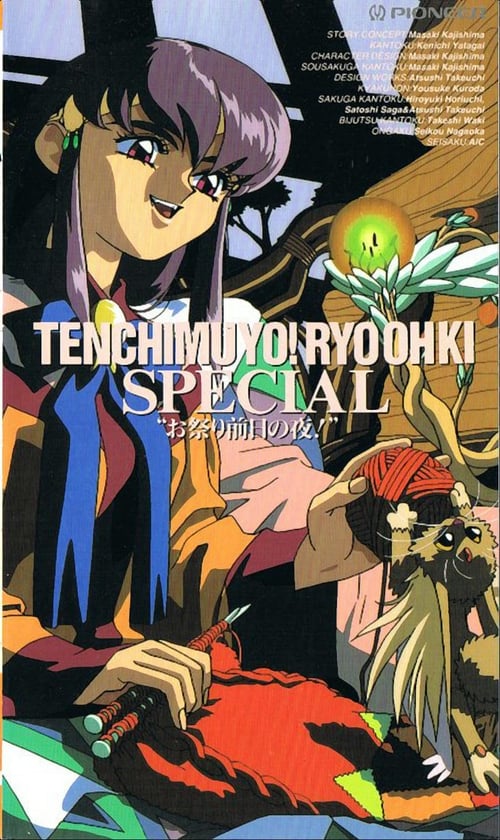
A few days after Kagato is defeated everything returns to normal. Ryouko finds Mihoshi and Sasami reading shoujo manga, which Sasami mistakes as guides on how to win a boy's heart... Earth style. So Ryouko decides to try out the ideas from the manga to win over Tenchi. But Aeka finds out what her rival Ryouko is doing and tries to take advantage of the same method. Naturally, the results are less than satisfactory for all involved...
1991
1988
1989
1989

1988

1991

1986
1983
No reviews yet. Be the first to share your thoughts on this movie!
Use the rating form above to leave a star rating and optional review.