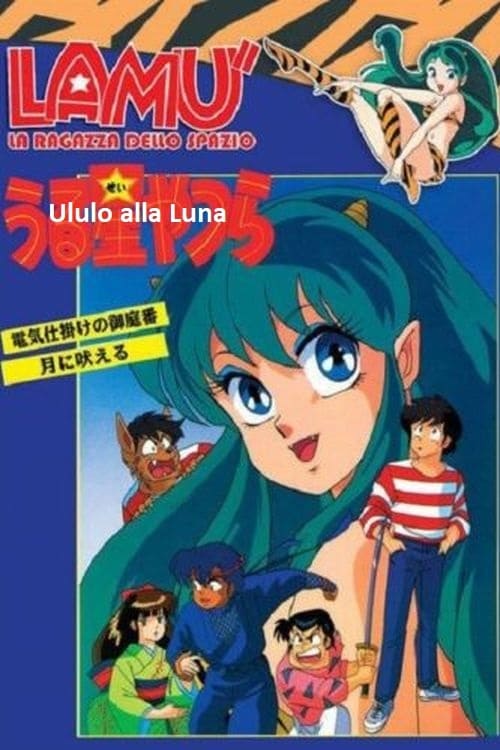
Urusei Yatsura: I Howl at the Moon
1989
No user ratings available yet
Representation score: 5.0 out of 10
Representation Score
Good
1991
Director
Shigeto Makino
Runtime
30 minutes
Average Rating
No ratings yetNew Showbiz Analysis
The film uses satire effectively to mock traditional gender roles and social structures. However, it relies heavily on visual gags and doesn't delve deeply into identity or the way different parts of someone's identity overlap. While it offers creative deconstruction of conventional archetypes, it falls short in representing diverse human identities and complex social realities.
Category Breakdown
The film doesn't include explicit queer romantic relationships or identities. While the series often challenges assumptions about straight relationships, this particular movie doesn't show much in terms of queer representation.
The story uses a comedic virus to force characters into hyper-feminized states, which destabilizes rigid masculine roles. This satire effectively challenges traditional gender stereotypes through visual transformation.
The story takes place in a culturally homogeneous Japanese setting. While extraterrestrial elements act as metaphors for the 'other,' they don't provide diverse human ethnic or racial representation.
The film challenges social order by presenting chaos and anti-social behavior as comedic liberation. It emphasizes situational ethics and anarchic reality over traditional civic stability.
The central 'Girl Measles' condition is used as a comedic spectacle rather than a nuanced exploration of disability. It lacks the ability to act needed to go beyond being just a plot device.
Present on Screen
Limited or Absent
Official Synopsis
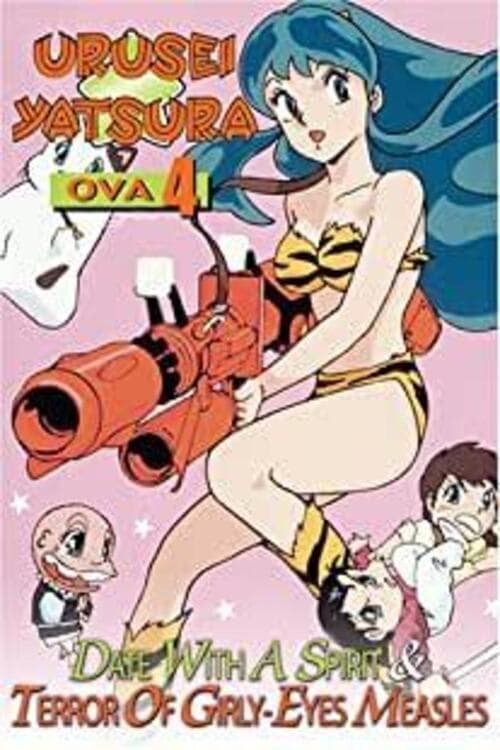
Ten gives Ataru an alien disease, the contagious "Girl Measles," (which makes the victim's eyes turn big and twinkly, like the eyes of young girls in much of manga and anime), and when Ataru's girl-hunting spreads the virus all over Tomobiki Town, chaos ensues!
1989
1991

1988
1986
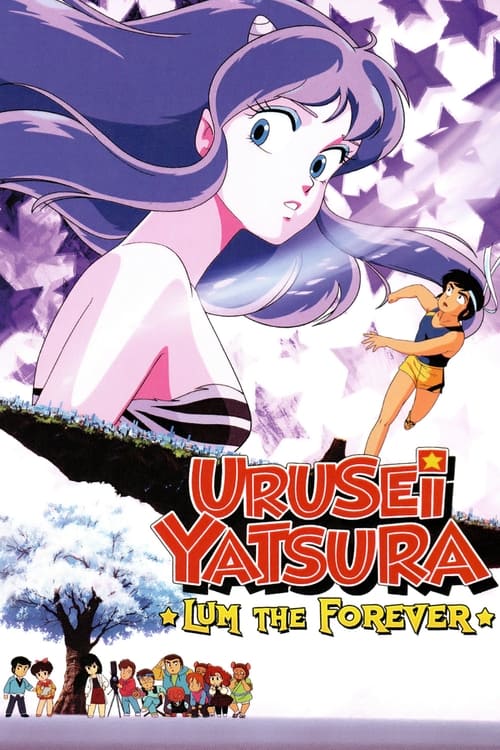
1986
1987

1990
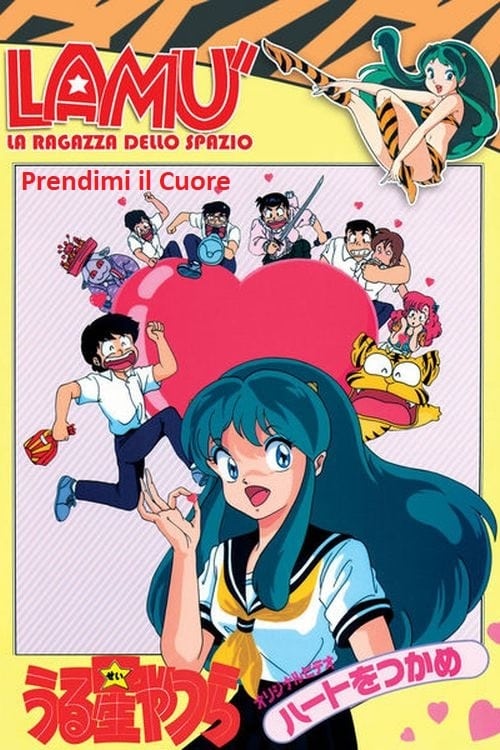
1989
No reviews yet. Be the first to share your thoughts on this movie!
Use the rating form above to leave a star rating and optional review.