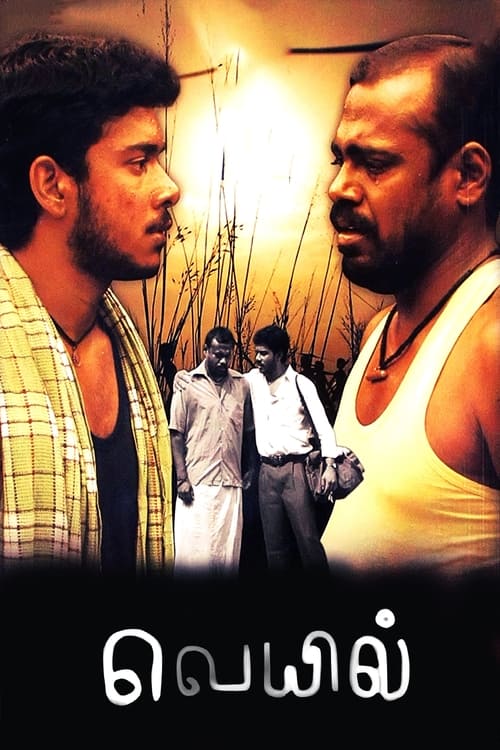
Veyyil
2006
No user ratings available yet
Representation score: 3.0 out of 10

Representation Score
Limited
2000
Director
A K Lohithadas
Runtime
147 minutes
Average Rating
No ratings yetNew Showbiz Analysis
A.K. Lohithadas presents a character-driven drama that deconstructs the idealized joint family structure. The film focuses on the psychological survival of the individual against a hostile domestic environment. By portraying the family unit as a source of systemic oppression, the film critiques rigid social hierarchies. It centers on the protagonist's struggle against sibling rivalry and patriarchal inheritance, providing a sophisticated social critique. While the film lacks representation of LGBTQ+ identities or non-assuming gender matches what was assigned at birth characters, it offers an authentic portrayal of regional social hierarchies and a critique of oppressive patriarchal structures.
Category Breakdown
The film focuses on traditional familial and sibling dynamics. There are no LGBTQ+ characters or narratives addressing non-assuming gender matches what was assigned at birth identities.
The protagonist's mother plays a significant role, subverting passive elder roles. However, the central conflict revolves around male sibling rivalry and patriarchal disputes.
This Malayalam production offers an authentic portrayal of South Indian identity. It depicts regional social hierarchies and cultural specificity within the Kerala context.
The narrative critiques the traditional tharavaadu by framing the ancestral home as a site of oppression. It prioritizes individual liberation over rigid communal and patriarchal obligations.
There is no documented evidence of characters with visible or invisible disabilities integrated into the story.
Present on Screen
Limited or Absent
Official Synopsis
The movie begins in Bhilai where Ravi tells his daughters that he will show them swans, once they are back at his native place, a place where people know only to love.Ravi who returns to his tharavaadu after a long time, where he was labelled as a Mudiyanaaya Puthran.But his dream and real facts stood very much apart.His elder brother and almost all his siblings tries to gang up against him, making the place which he called home, nothing short of hell.But he is determined to bring back the olden days.He could do justice to that to an extent. But in the end he decided to return to Bhilai , but this time taking his mother along. The movie ends he could show the arayannagal to his kids at his home itself.
2006
2003
2000

1999

2008
2006
1993

2002
No reviews yet. Be the first to share your thoughts on this movie!
Use the rating form above to leave a star rating and optional review.