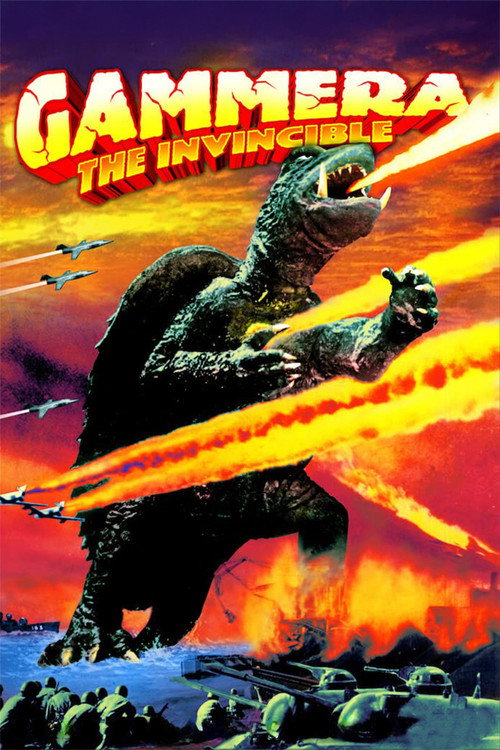
Gammera the Invincible
1966
No user ratings available yet
Representation score: 1.1 out of 10
Representation Score
Fair
1967
PGDirector
Haruyasu Noguchi
Runtime
84 minutes
Average Rating
No ratings yetNew Showbiz Analysis
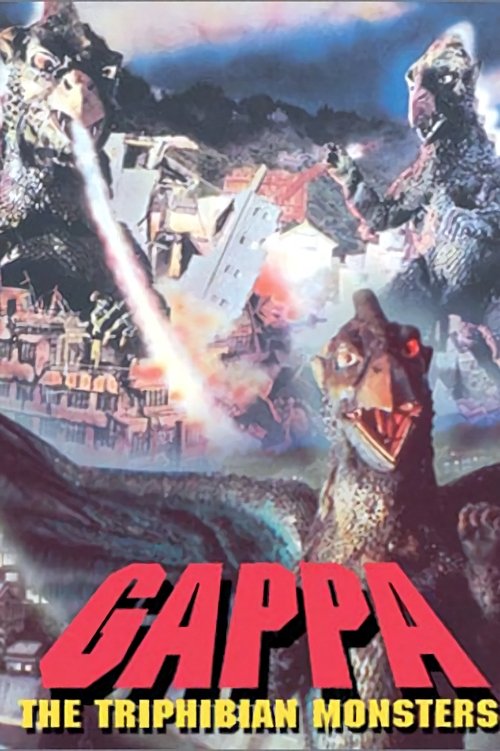
Gappa, the Triphibian Monster operates as a traditional creature feature that subtly critiques colonialist entitlement. While it lacks modern multi-layered complexity, it avoids the standard 'heroic explorer' cliché by portraying Western scientific intervention as reckless and disruptive to sacred ecosystems. The film's narrative strength lies in its depiction of indigenous wisdom versus scientific hubris. By framing the destruction of Tokyo as a consequence of violating local spiritual and ecological balances, the story provides a nuanced look at the impact of external interference.
Category Breakdown
The film lacks discernible LGBTQ+ characters or narratives. The focus remains strictly on the biological and mythological conflict between the expedition and the Gappa entities.
Women play secondary roles that do not challenge established gender hierarchies or demonstrate significant autonomy. Men dominate the expeditionary roles and have more ability to act.
A tension exists between the expedition and the indigenous South Pacific inhabitants. The natives are positioned as keepers of sacred knowledge that the protagonists recklessly ignore.
The film explores the consequences of violating indigenous sanctity. It avoids a simple good-versus-evil binary by framing the monsters as grieving parents responding to a kidnapping.
There is no significant evidence of characters with visible or invisible disabilities being portrayed with ability to act. Disability is not used as a narrative driver.
Present on Screen
Limited or Absent
Official Synopsis
An expedition in the South Pacific lands on a tropical island where the natives worship the mysterious deity Gappa. An earthquake opens up an underground cavern and a baby reptile is discovered inside. The natives warn the foreigners to leave the hatching alone, but they don't listen and take it back to a zoo in Japan. Soon after, moma and papa Gappa start smashing Tokyo looking for their kidnapped child.
1966
1961
1965
1968

1958
1956
1970
1957
No reviews yet. Be the first to share your thoughts on this movie!
Use the rating form above to leave a star rating and optional review.