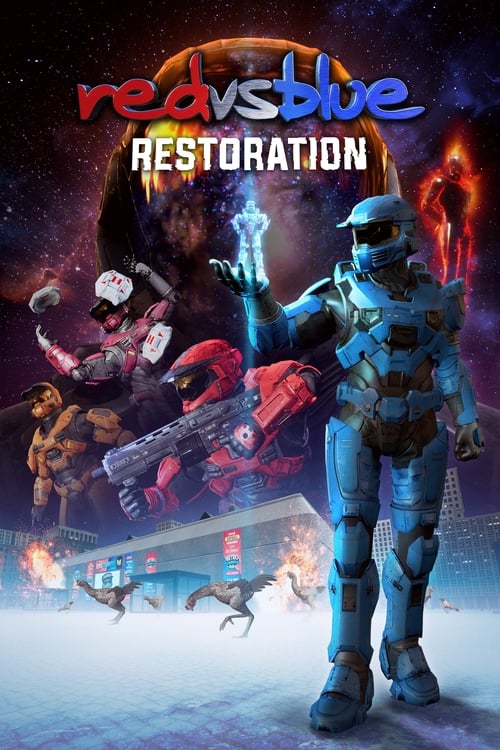
Red vs. Blue: Restoration
2024
No user ratings available yet
Representation score: 6.3 out of 10
Representation Score
Good
2024
TV-GDirector
Eric Fogel
Runtime
83 minutes
Average Rating
No ratings yetNew Showbiz Analysis
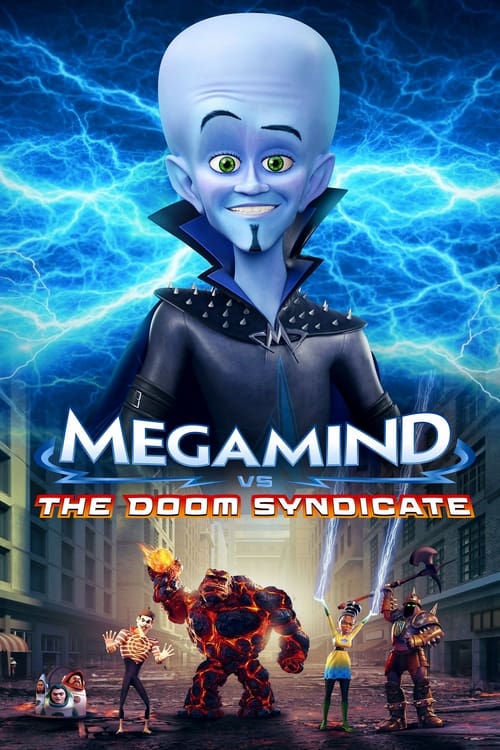
Megamind vs. the Doom Syndicate delves into the theme of identity reclamation through its protagonist, who disrupts the social order. The film challenges traditional heroic norms by focusing on complex, situational morality rather than simple good versus evil clichés. While it avoids traditional archetypes, it lacks specific actively leading representations for many underrepresented groups, resulting in a moderate diversity profile.
Category Breakdown
The film focuses on a protagonist who transitions from villain to hero, exploring themes of outsider identity. However, there are no explicit details about non-straight relationships or intimate moments between characters of the same sex.
Roxanne and Keiko play key roles in supporting the hero's tactics. The shift towards a more collaborative model hints at a potential challenge to traditional, rigid gender roles.
Keiko's inclusion in the main cast adds diversity, moving beyond monochromatic superhero stereotypes. The urban setting of Metro City highlights a multi-ethnic backdrop.
The story centers around a former villain now navigating new social roles, challenging traditional hierarchies and established norms. This focus disrupts conventional moral structures.
Megamind’s blue skin and non-human traits serve as a metaphor for 'otherness' or neurodivergence. There is little evidence of actively leading depictions of specific physical or mental disabilities.
Present on Screen
Limited or Absent
Official Synopsis
Megamind's former villain team, The Doom Syndicate, has returned. Our newly crowned blue hero must now keep up evil appearances until he can assemble his friends (Roxanne, Ol' Chum and Keiko) to stop his former evil teammates from launching Metro City to the Moon.
2024
2024
2024
2002
2022

2005

2014

2013
No reviews yet. Be the first to share your thoughts on this movie!
Use the rating form above to leave a star rating and optional review.