
SOS: The Titanic Inquiry
2012
No user ratings available yet
Representation score: 4.5 out of 10
Representation Score
Minimal
2013
Director
Alrick Riley
Runtime
90 minutes
Average Rating
No ratings yetNew Showbiz Analysis
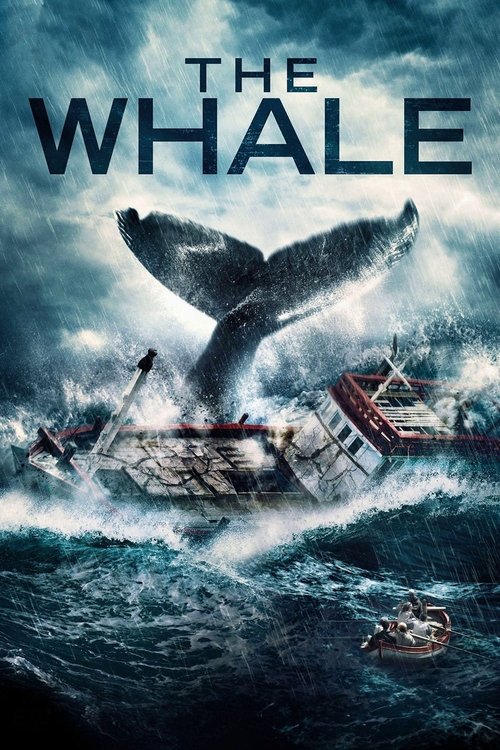
The Whale is a historical survival drama that prioritizes the 'man vs. nature' cliché. Because it is set in the early 19th century, the representation is inherently constrained by the era's social limitations. The film functions as a traditional period piece, focusing on the psychological pressures of maritime isolation. This setting naturally results in a predominantly male and Western-centric perspective. Ultimately, the narrative architecture is designed to study human endurance under duress rather than providing a platform for contemporary characters who reflect more than one aspect of diversity.
Category Breakdown
The film focuses on a 1820 maritime crew within strict social structures that assume everyone is straight and cisgender. There is no evidence of non-cisgender identities or same-sex relationships in the narrative.
Set on a whaling vessel, the story is an almost exclusively male environment. The narrative reinforces traditional hierarchies by centering masculine endurance and leadership.
The focus on a Nantucket whaleship suggests a centering of Western maritime culture. There is no specific evidence of actively leading characters of color or diverse casting.
The story is rooted in the Western tradition of maritime exploration and whaling. It explores human survival and moral relativism rather than offering a critique of Western frameworks.
The narrative does not provide specific information regarding physical or neurodivergent disabilities. Physical trauma may occur, but its role as character-driven ability to act is unclear.
Present on Screen
Limited or Absent
Official Synopsis
Dramatic retelling of the fateful last voyage of the Nantucket whaleship Essex. When the Essex is attacked and sunk by a sperm whale in November 1820, her crew take to three fragile whalers. Alone in the middle of the Pacific Ocean, the men must decide whether to head for the nearest islands - a thousand miles downwind to the west - or set out on an epic journey of almost three thousand miles to reach the South American mainland. Fear of cannibals forces them to choose South America. Almost three months later, the first whaler is rescued by another whaleship. Only three men are still alive. A week later the captain's whaler is also rescued, with just two men aboard. The third whaler is never found. This is a story of human endurance and what men in extremis will do to survive.
2012

2012

1997
2016

2015
1956
2021
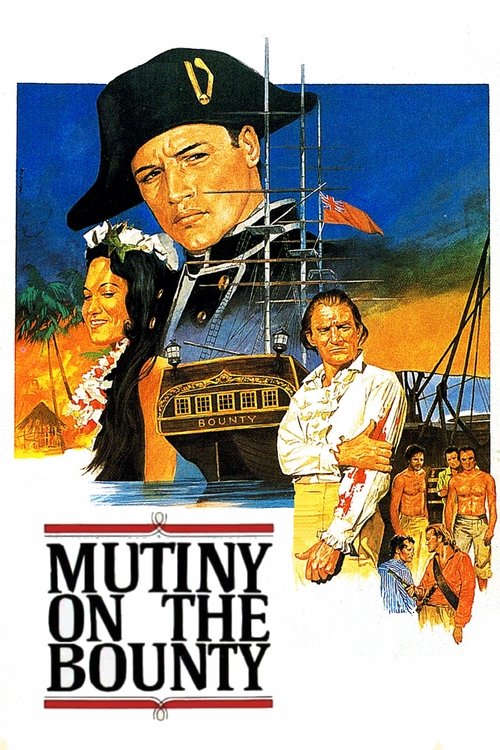
1962
No reviews yet. Be the first to share your thoughts on this movie!
Use the rating form above to leave a star rating and optional review.